English
 Español
Don't hesitate to send a message
·Built-in LED Light for Precision & SafetyThe bright LED light illuminates your pet’s ...
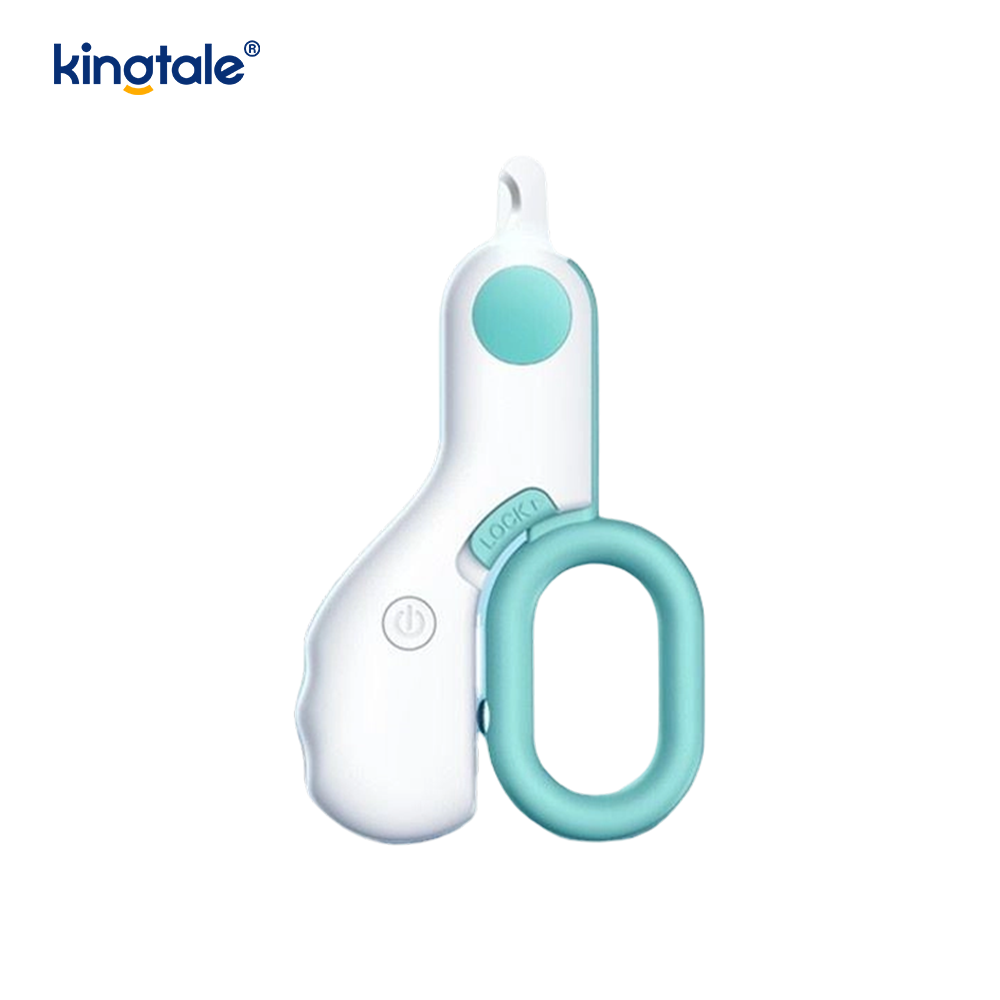
·Built-in LED Light for Precision & SafetyThe bright LED light illuminates your pet’s ...
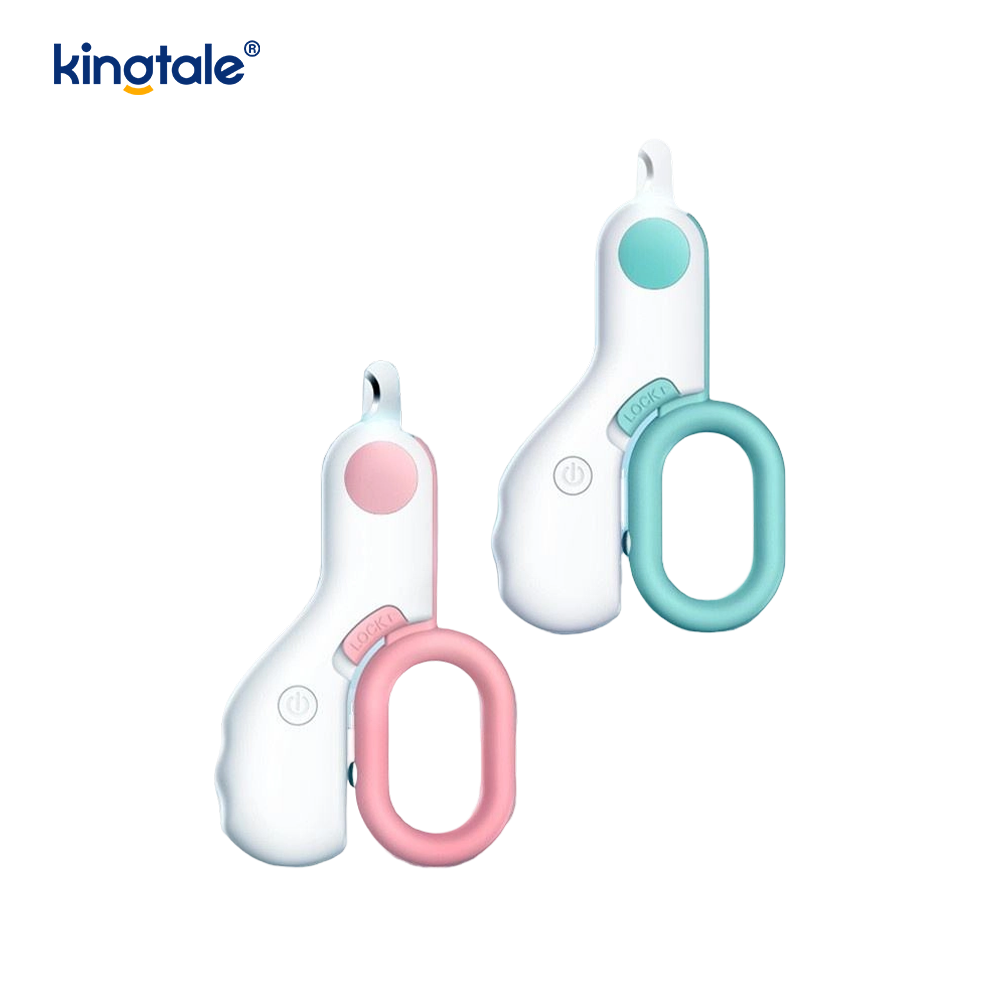
Designed for rabbits, guinea pigs, birds, puppies, kittens, and other small animals, this ...
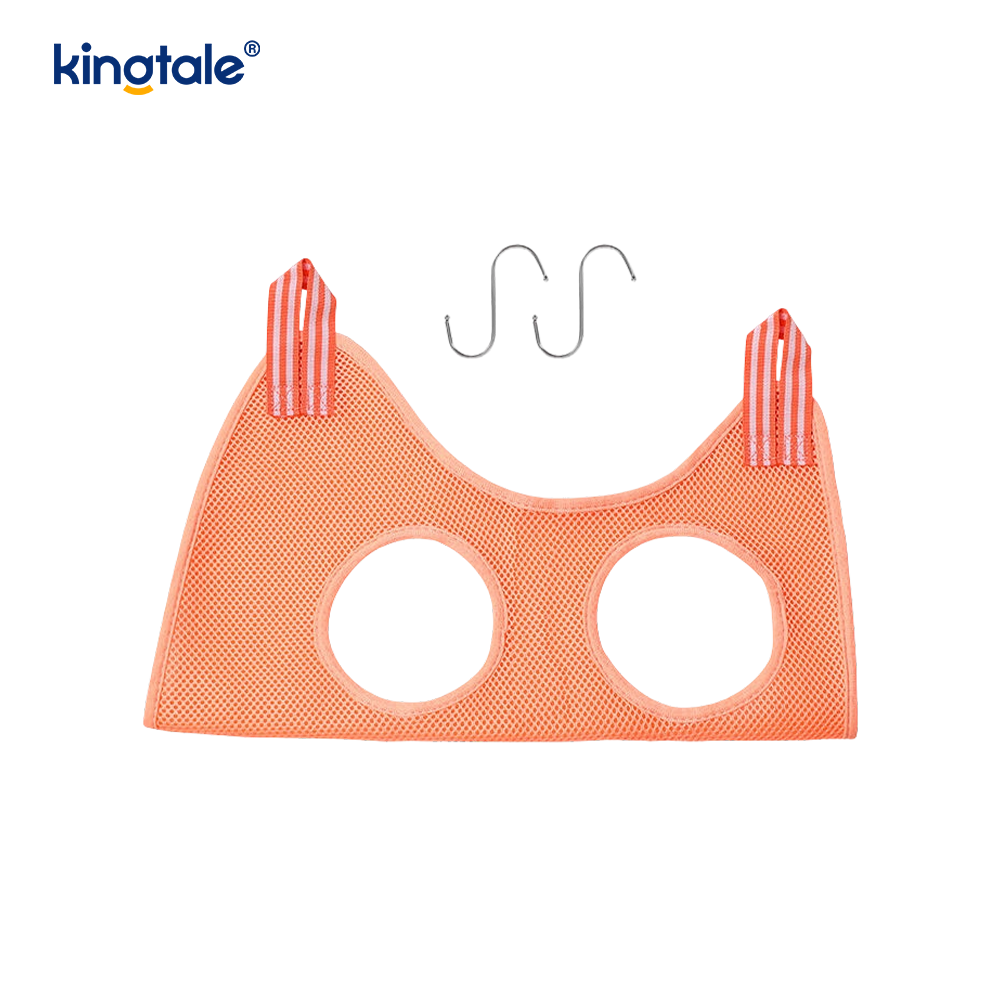
This product is a pet grooming hammock, equipped with nail clippers, nail trimmers and gro...
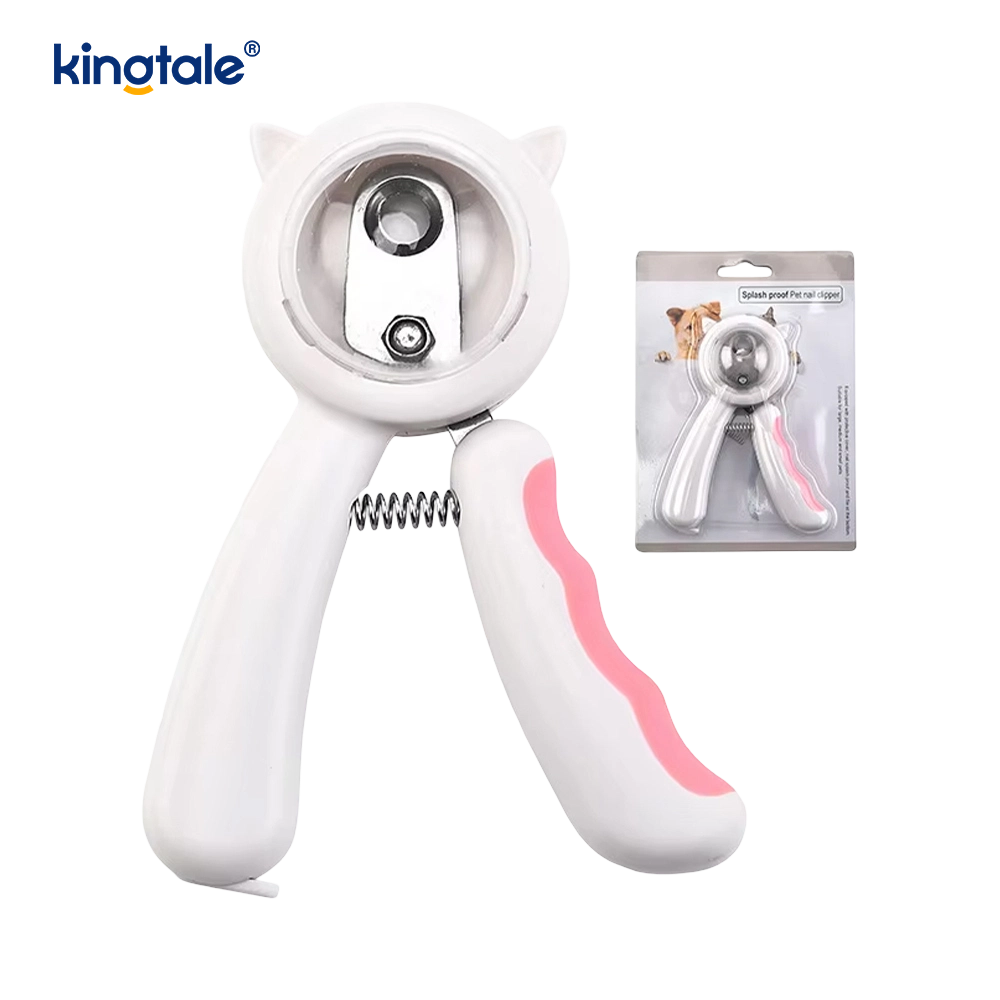
This adorable cat-shaped pet nail clipper is specially designed for cats and small dogs, m...
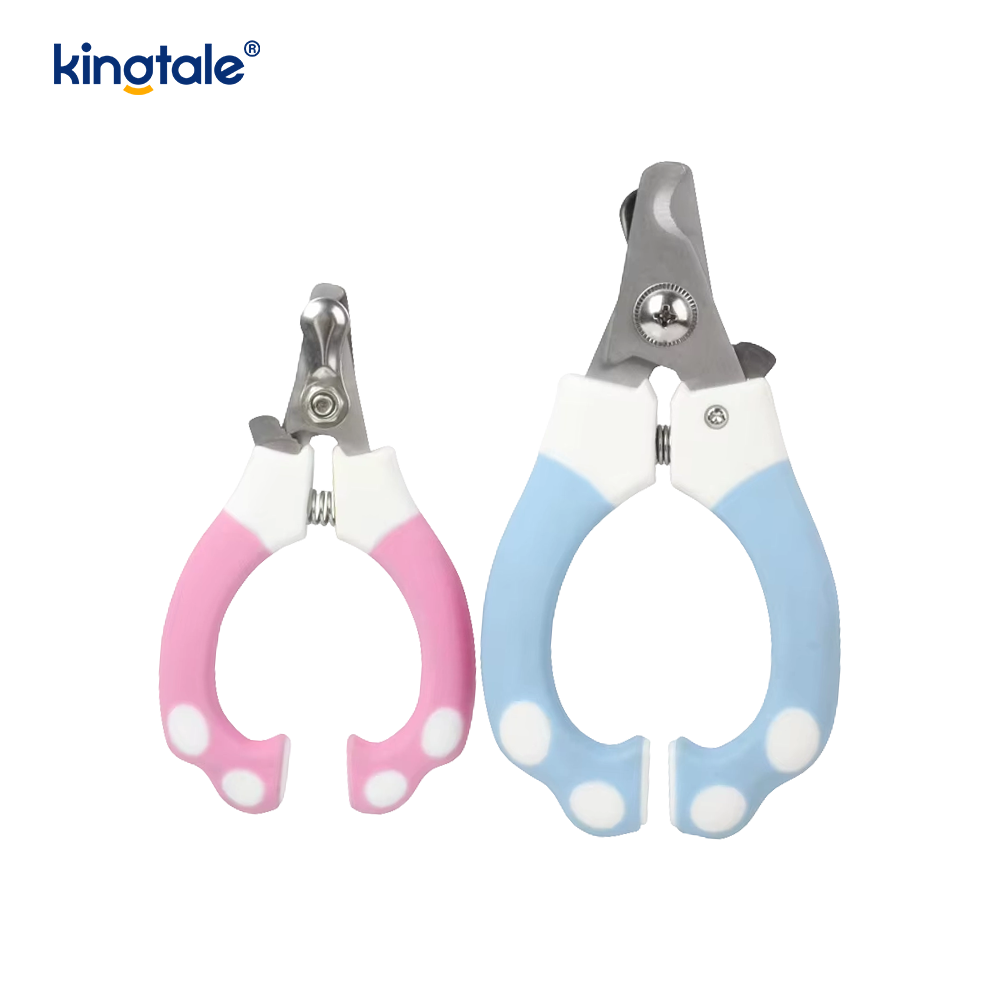
“Kingtale Custom Professional Pet Grooming Tools Stainless Dog Nail Clipper” is a type of ...
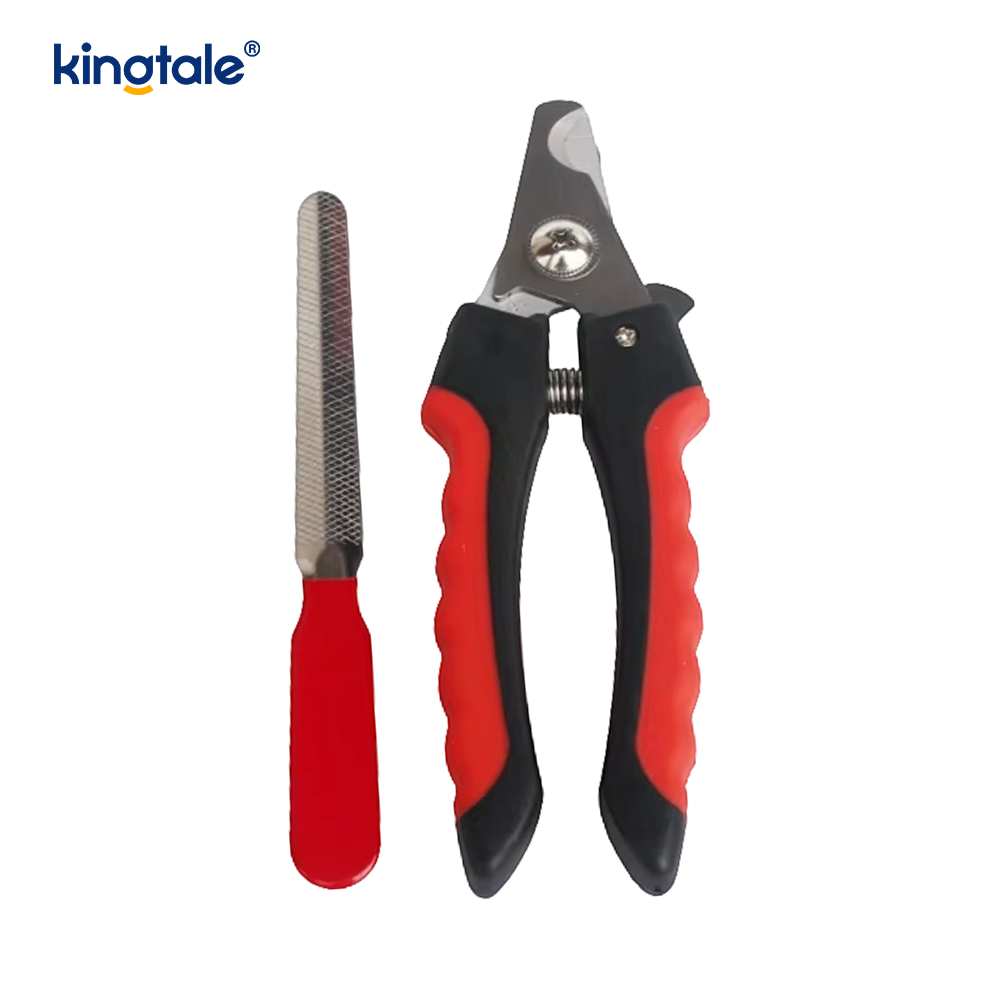
“Kingtale Professional Upgraded Dog Nail Grinder Pet Nail Trimmer Pet Nail Scissors Safety...
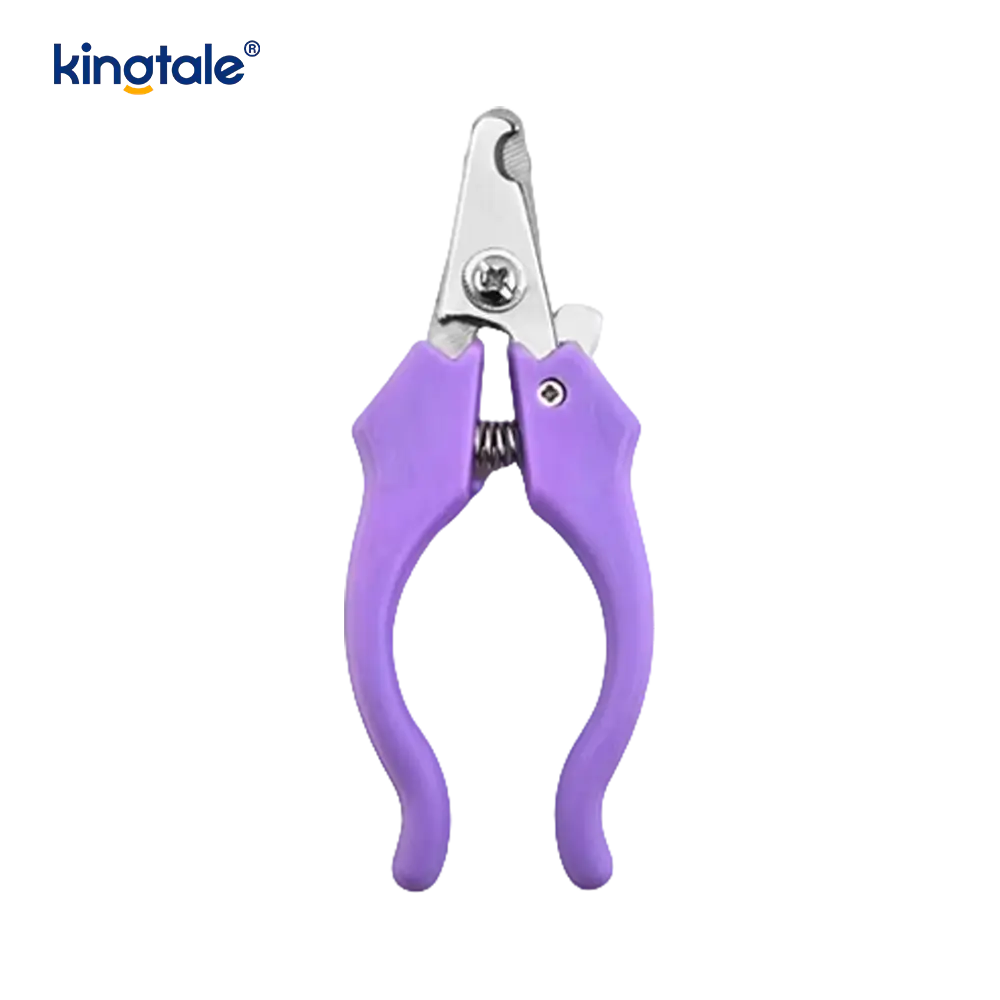
This pet nail clipper is a professional at-home grooming tool specially made for small dog...








An adult cat completes a stalk, pounce, and retreat sequence in seconds when it sees moving prey. An interactive cat tunnel converts that fast instinct into a longer indoor play circuit: the cat enters, hides, watches through mesh, bats at a ball, and exits to start again. For pet product buyers, that difference matt...
READ MOREIn 24-degree weather, the chest skin under a solid nylon harness can run about five degrees hotter than the same spot under an open mesh panel after a 15-minute walk. Dogs cool themselves by panting and through their paw pads, not by sweating across the chest, so the material that covers the ribcage either helps heat...
READ MOREFourteen-year-old Max, a Labrador Retriever with early hip dysplasia, lost his footing on polished ceramic tile and lay splayed on the floor for nearly a minute before his owner could reach him. Veterinary orthopedists see this pattern every week: a senior dog steps onto a slick floor, one hind leg slides sideways, a...
READ MORESelecting the right type is critical based on your pet’s breed and nail characteristics.
| Clip Type | Suitable for | Pros | Cons |
|---|---|---|---|
| Scissor-Style | Medium to large dogs with thick nails | Precise cutting, visible cutting line, safety guard available | Can be too large for small pets |
| Guillotine-Style | Small to medium dogs | Easy to use, compact | Risk of cutting too deep if not careful, requires practice |
| Nail Grinder | All breeds, especially pets sensitive to clipping or with thick nails | Smooth edges, reduces splitting, safer for quick | Noisy, takes longer, pets need to adjust to vibration |