English
 Español
Don't hesitate to send a message
1. Efficient Litter & Food Catching DesignThe porous loop PVC structure effectively ca...
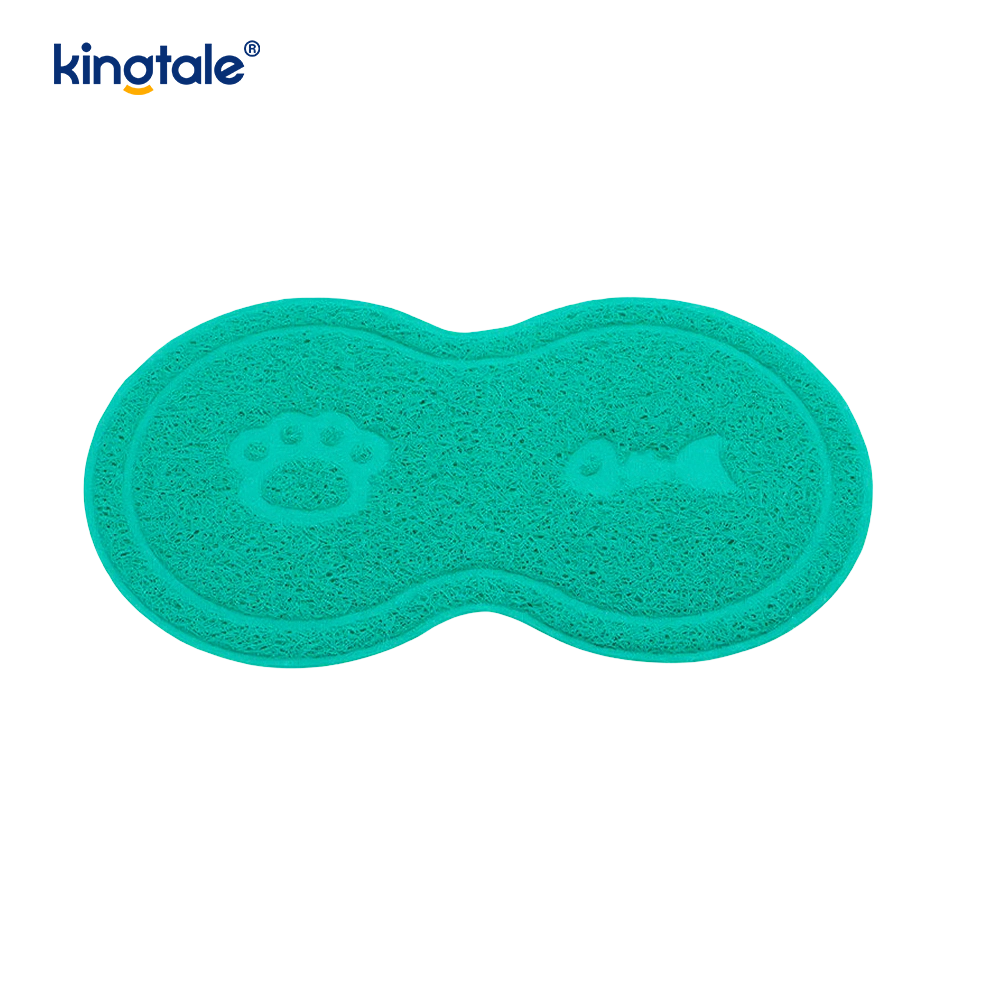
1. Efficient Litter & Food Catching DesignThe porous loop PVC structure effectively ca...
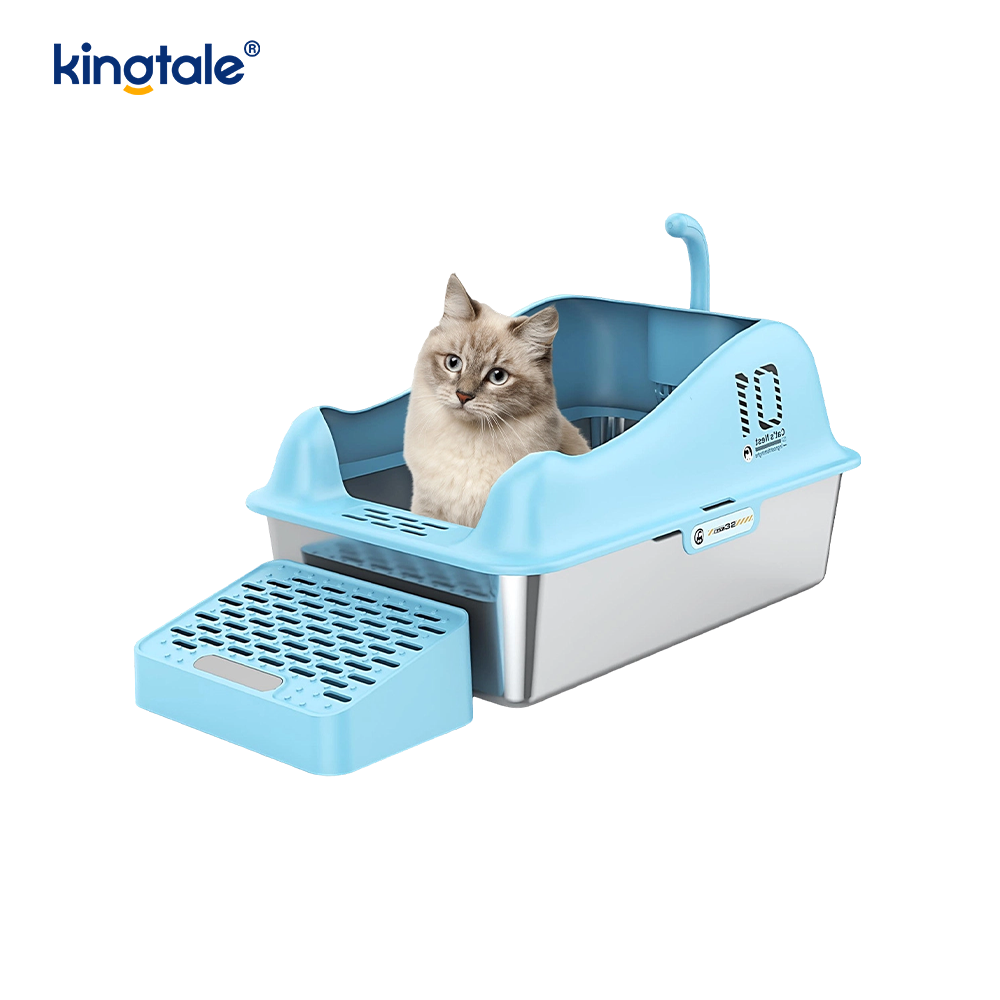
This stainless steel cat litter box features a basin constructed from stainless steel and ...
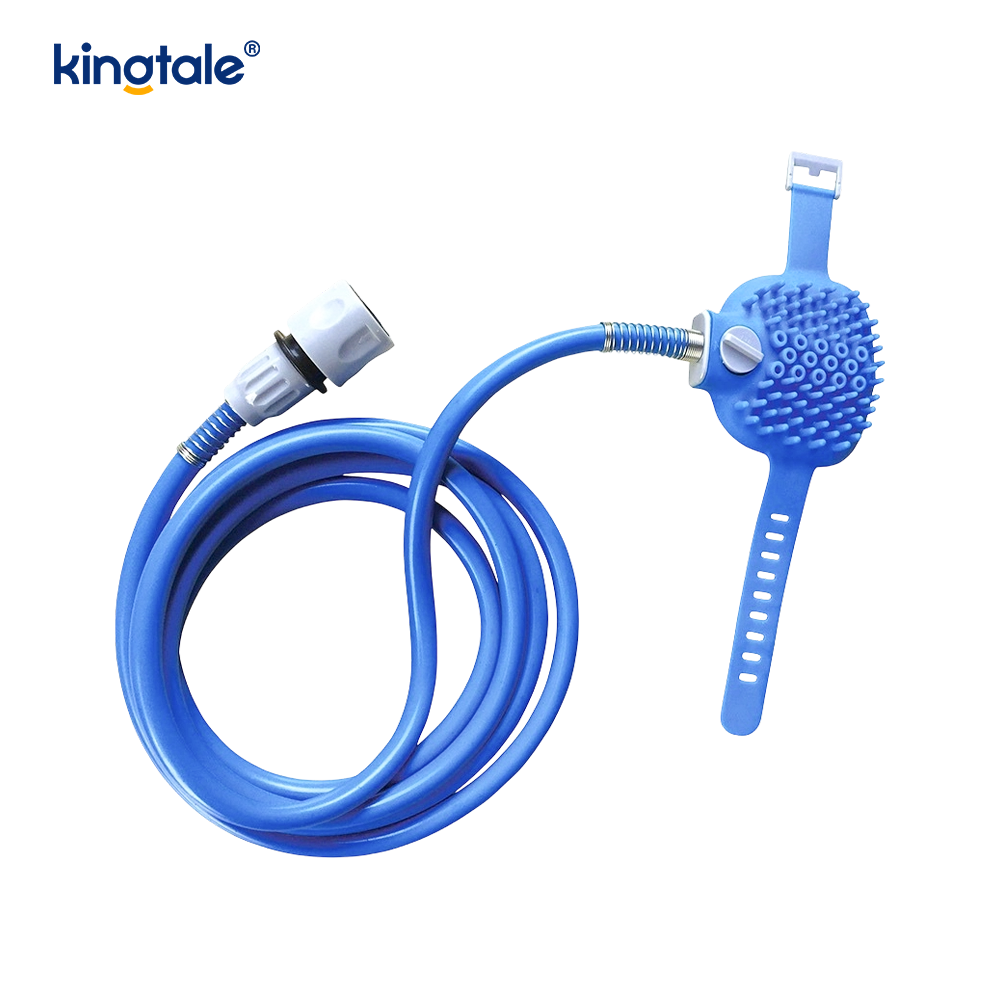
1. Simultaneous rinsing and scrubbing for greater efficiency: Features an integrated desig...

The Kingtale Custom Extra Large Round Cat Litter Box redefines modern feline hygiene solut...
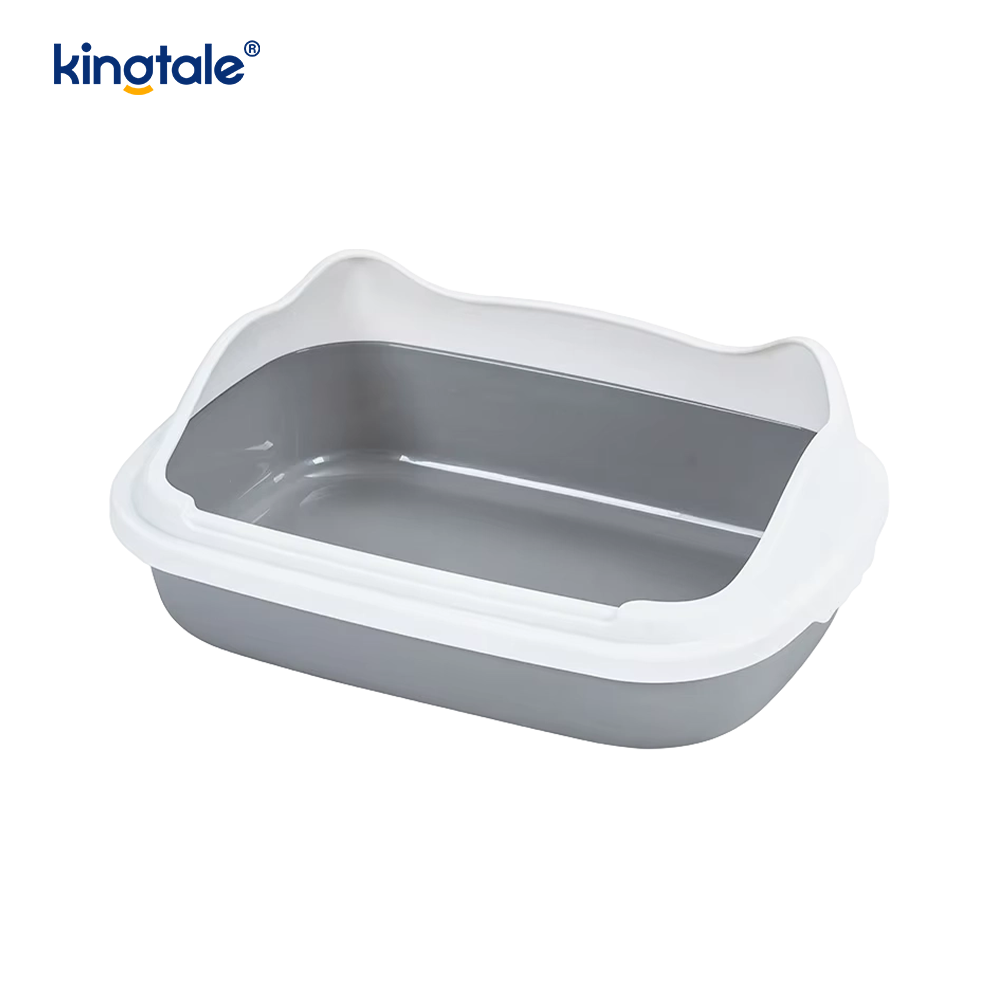
The Kingtale Custom Extra Large Round Cat Litter Box redefines modern pet hygiene solution...
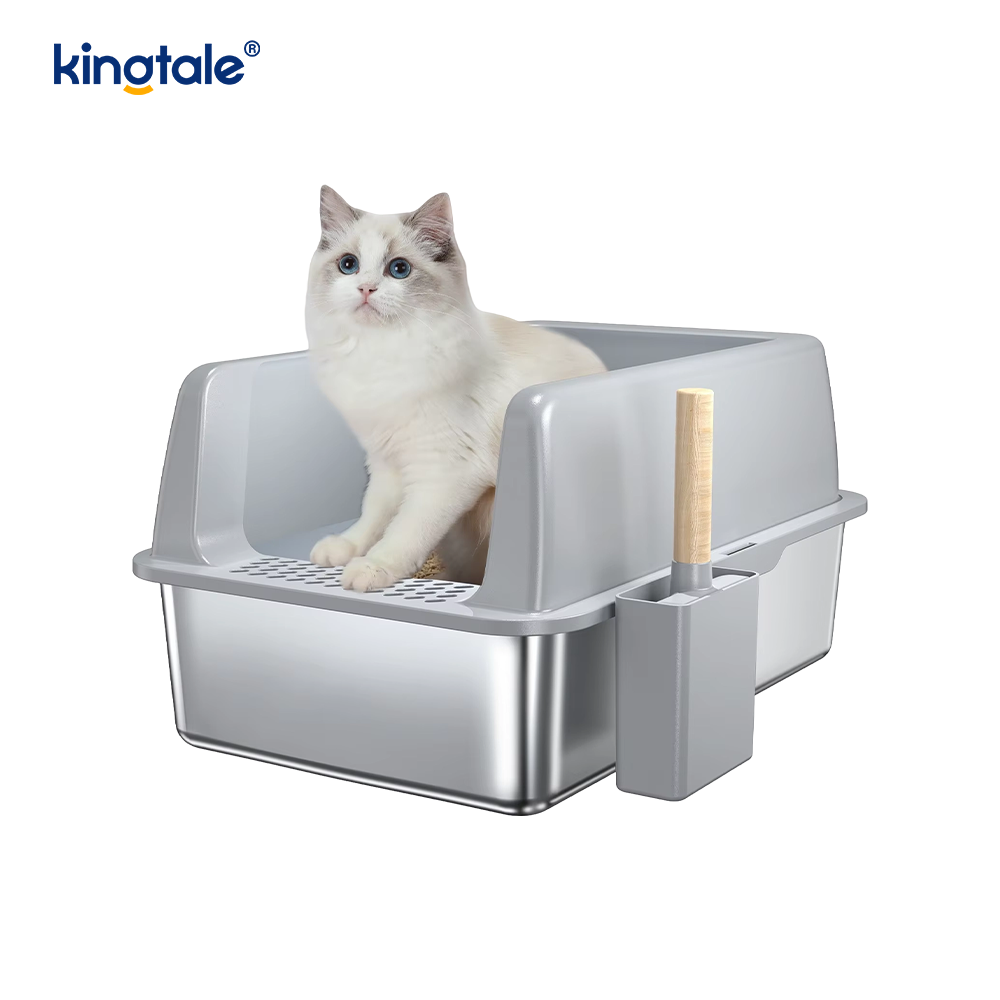
·Enclosed Design:The cat litter box with top cover is designed to prevent litter scatter a...

1. Stainless Steel Material: Durable and Easy to CleanThe stainless steel litter box doesn...










An adult cat completes a stalk, pounce, and retreat sequence in seconds when it sees moving prey. An interactive cat tunnel converts that fast instinct into a longer indoor play circuit: the cat enters, hides, watches through mesh, bats at a ball, and exits to start again. For pet product buyers, that difference matt...
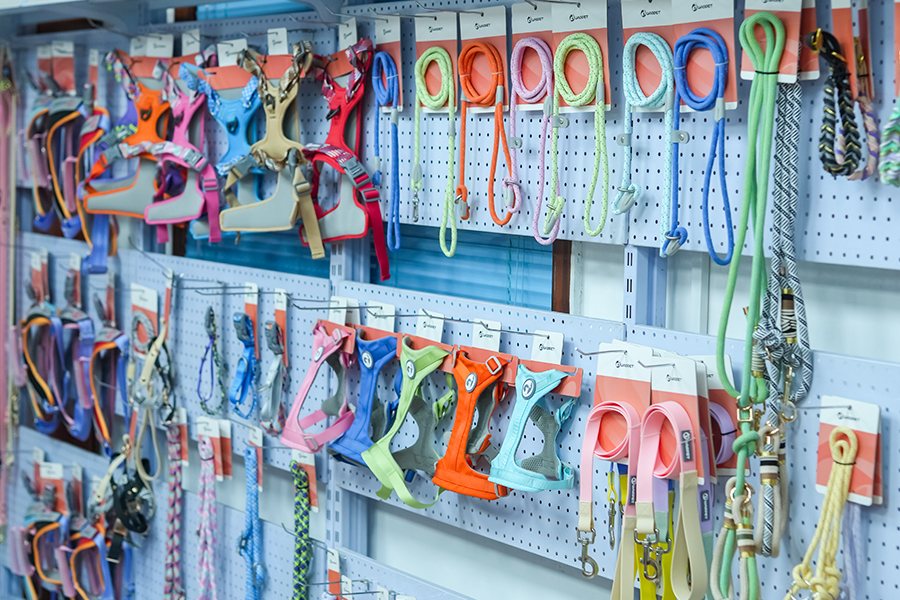
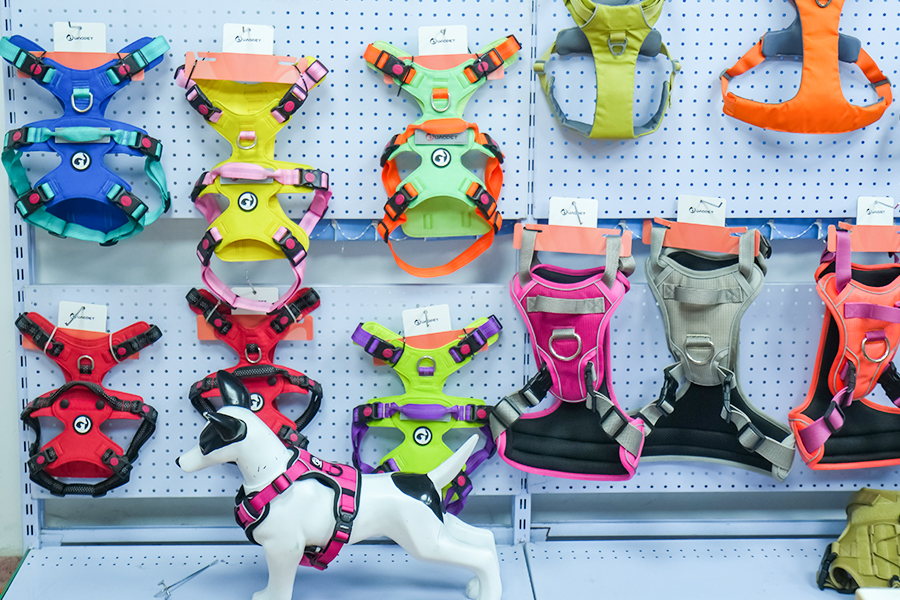
READ MOREIn 24-degree weather, the chest skin under a solid nylon harness can run about five degrees hotter than the same spot under an open mesh panel after a 15-minute walk. Dogs cool themselves by panting and through their paw pads, not by sweating across the chest, so the material that covers the ribcage either helps heat...
READ MOREFourteen-year-old Max, a Labrador Retriever with early hip dysplasia, lost his footing on polished ceramic tile and lay splayed on the floor for nearly a minute before his owner could reach him. Veterinary orthopedists see this pattern every week: a senior dog steps onto a slick floor, one hind leg slides sideways, a...
READ MOREChoosing the right cat litter box is essential for both your cat's comfort and your home’s cleanliness. Cats are sensitive animals that value privacy, and the type of litter box you select can influence their bathroom habits and overall well-being. This article explores the differences between open and covered cat litter boxes, helping you make an informed decision.
Open litter boxes are the traditional style, without a lid or cover. They are widely used for many reasons:
Covered litter boxes include a lid or enclosure that provides additional privacy and odor control:
When deciding between an open or covered cat litter box, consider the following:
The choice between an open and covered cat litter box depends on your cat’s habits, your living environment, and cleaning preferences. Many cat owners find that using both types in different areas of the home works best. Observe your cat’s behavior and adjust accordingly to ensure a clean, comfortable, and stress-free bathroom experience.
Choosing the right pet toilet cleaner is essential for maintaining hygiene, preventing odors, and ensuring the safety of your pets. This guide will help you understand the factors to consider when selecting a cleaner for your home.
Ensure the cleaner uses non-toxic ingredients that are safe for cats, dogs, or other household pets. Avoid products with harsh chemicals that could cause irritation.
Look for cleaners that neutralize odors instead of just masking them. Enzymatic cleaners are often highly effective for breaking down organic waste.
Consider the form of the cleaner (spray, liquid, powder) and how easy it is to apply and clean up.
Environmentally friendly cleaners reduce chemical exposure and are safer for your home and the planet.
Choose a cleaner that fits your budget but still meets safety and effectiveness standards. Read reviews and compare brands.