

 English
 Español
Don't hesitate to send a message
What Are the Current Trends in Fashion Pet Clothes?
Content
From Function to Fashion: Understanding the Market Shift
Gone are the days when pet clothing was primarily about simple sweaters for warmth. The fashion pet clothes market has undergone a significant transformation, evolving into a dynamic segment driven by humanization, emotional connection, and lifestyle expression[citation:4][citation:9]. Pet owners today view their companions as family members, and dressing them is an extension of personal style and care. This trend, often termed “pet humanization,” has spurred demand for apparel that offers not just utility but also aesthetic appeal, quality, and personality. The market caters to a diverse range of needs, from practical items like raincoats to celebratory “festive battle robe” for holidays like Chinese New Year, which have seen products sell over 100,000 units in a single month[citation:4].
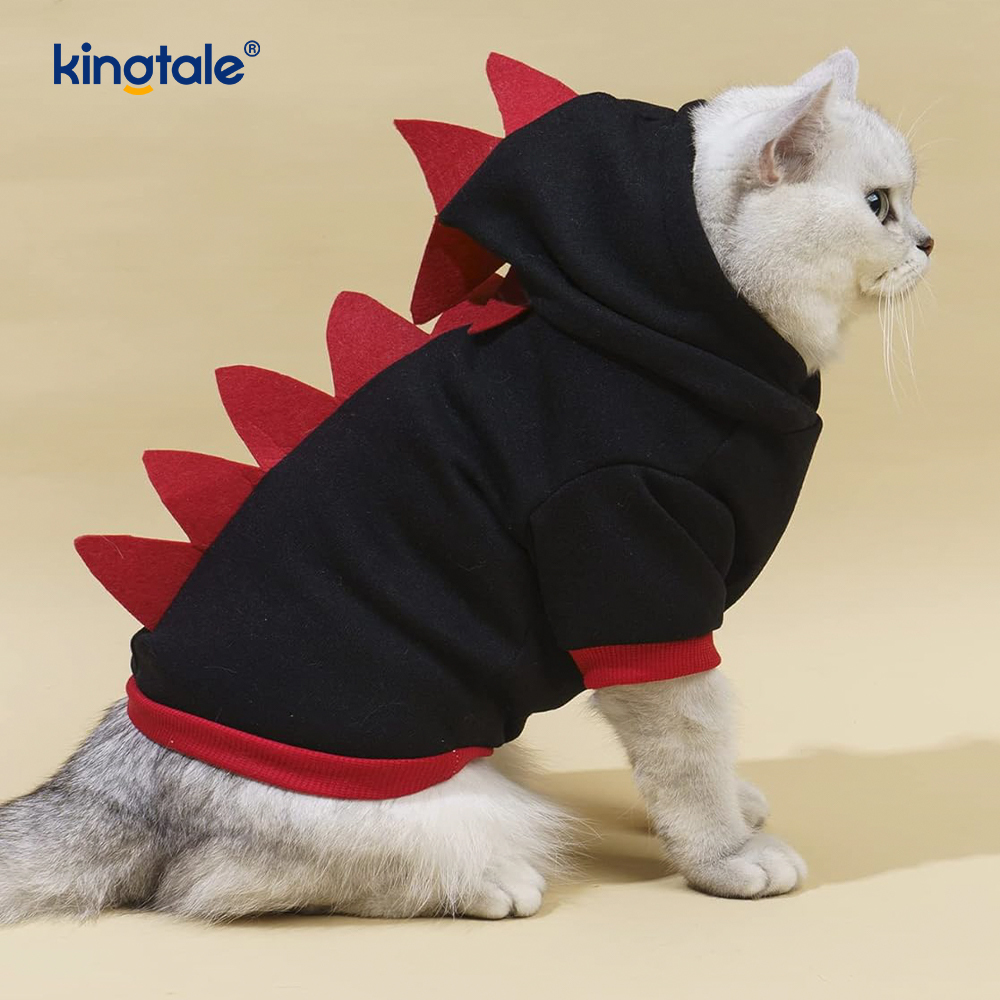
Fashion Pet Clothes
This shift presents both opportunity and challenge for businesses. The opportunity lies in the high growth potential and emotional engagement of customers, who are often willing to invest in premium products for their pets[citation:4]. The challenge is in moving beyond basic, generic designs to meet rising expectations for style, comfort, and brand storytelling. Understanding this landscape is the first step to successfully sourcing, marketing, and selling in the competitive world of fashion pet clothes.
- Emotional Driver: Clothing is a way for owners to express love and strengthen bonds with their pets[citation:4].
- Market Size: The pet apparel sector, while a smaller niche within the larger pet industry, is experiencing rapid growth and brand differentiation[citation:4].
- Consumer Profile: The target audience is fashion-conscious, digitally savvy, and actively engaged in social media communities centered around pets[citation:2][citation:4].
Key Product Categories and Consumer Expectations
Successful navigation of the fashion pet clothes market requires familiarity with its main segments. These categories are often defined by season, occasion, and specific pet needs.
| Category | Examples | Key Consumer Considerations |
| Seasonal & Weather-Appropriate | Winter coats, fleece-lined jackets, summer cooling vests, raincoats. | Material functionality (waterproof, thermal), comfort, and ease of putting on/taking off. |
| Holiday & Festive Wear | Christmas sweaters, Chinese New Year outfits (e.g., tang suits, cheongsams), Halloween costumes. | Theme adherence, photogenic design, and often limited-time seasonal appeal[citation:4]. |
| Casual & Lifestyle | T-shirts, hoodies, pajama sets, dresses. | Everyday comfort, breathable fabrics (like cotton), cute designs, and machine-washability. |
| Functional & Outdoor | Hiking booties, reflective safety vests, swimwear. | Durability, protective features, and specialized performance. |
Sourcing with Success: Quality, Fit, and Safety
For retailers and brands, the foundation of a reputable fashion pet clothes line is reliable sourcing that prioritizes more than just low cost. The most critical factors are quality construction, accurate sizing and fit, and uncompromising material safety. A poorly fitting or uncomfortable garment will lead to immediate returns, negative reviews, and a damaged brand reputation. Given that pets vary immensely in shape and size—even within the same breed—providing detailed size charts based on precise measurements (neck, chest, back length) is non-negotiable[citation:9].
Material safety is paramount. Fabrics should be non-toxic, free from harmful dyes, and ideally hypoallergenic. For markets like Europe and North America, compliance with regional standards (like CE certification) is often required[citation:9]. Furthermore, practical details matter: secure but gentle fastenings (like Velcro or snaps instead of difficult buttons), reinforced stitching at stress points, and the absence of small, detachable parts that could be a choking hazard all contribute to a product's success and safety.
Finding the Right Manufacturing Partner
Identifying a manufacturer that aligns with your brand's vision for fashion pet clothes involves evaluating several key capabilities.
- Design and Development: Can they offer or collaborate on original designs beyond copying basic templates? The ability to interpret trends like “New Chinese Style” or minimalist chic is a major differentiator[citation:4].
- Material Sourcing: Do they have access to a variety of quality, pet-safe fabrics, from cozy fleece and breathable cotton to functional technical materials?
- Production Flexibility: Are they equipped for “small batch, quick response” production? This model is crucial for managing inventory risk in a trend-driven market and allows for testing new designs[citation:9].
- Quality Control (QC): What are their in-house QC procedures? Consistent sizing, color accuracy, and stitch quality across batches are essential.
Marketing and Selling in the Digital Age
In the visually-driven world of fashion pet clothes, effective marketing hinges on storytelling, community building, and leveraging the right platforms. Product listings with clear, high-quality images from multiple angles are the baseline. The real engagement happens through content that showcases pets—not just mannequins—wearing the clothes in adorable or relatable scenarios[citation:1][citation:4].
The Power of Visual Content and Social Proof
Superior visual content is your most potent marketing tool. This includes professional photoshoots, short-form videos (like Instagram Reels or TikTok clips) of pets modeling outfits, and user-generated content (UGC). Encouraging customers to share photos of their pets in your clothes with a branded hashtag builds authentic social proof and fosters a sense of community[citation:2][citation:6]. Featuring these real-life images on your website and social channels not only provides relatable styling ideas but also significantly boosts trust and conversion rates.
Building Community Through Content and Platforms
Modern pet brands succeed by acting as a hub for a community of pet lovers, not just a store. Marketing strategies should follow an 80/20 rule: 80% of content should be engaging, pet-centric topics (funny pet moments, care tips, styling challenges), and only 20% should be direct product promotion[citation:2]. Platforms like Instagram and TikTok are ideal for visual inspiration, while Threads (by Meta) offers an opportunity for text-based, conversational community building through pet-related questions, polls, and discussions[citation:2]. Collaborating with pet influencers (KOLs) for authentic reviews or styling posts can effectively tap into their engaged followings[citation:6].
FAQ
How do I choose the right size for my dog or cat?
Choosing the correct size is the most common challenge. Never guess based on breed alone. Use a soft measuring tape to take three key measurements while your pet is standing: 1) Neck Circumference (around the base of the neck), 2) Chest Girth (the widest part of the ribcage, right behind the front legs), and 3) Back Length (from the base of the neck to the base of the tail). Compare these numbers to the brand's specific size chart. If your pet is between sizes or has a unique build (like a deep chest), it’s usually safer to size up for comfort. Watching for signs of a poor fit, such as restricted movement, chafing, or the pet’s obvious discomfort, is also crucial.
What materials are best for pet clothing?
The best material depends on the garment's purpose. For everyday comfort and breathability, natural fibers like cotton and cotton blends are excellent. For warmth, polar fleece is a popular, lightweight, and machine-washable option. For outdoor functionality, look for water-resistant or waterproof technical fabrics. Regardless of the type, always prioritize soft, non-irritating materials. Avoid fabrics that are overly stiff, have scratchy seams or tags, or lack elasticity, as these will cause discomfort and likely be rejected by your pet.
Are there specific trends in fashion pet clothes for 2025?
Yes, several trends are shaping the market. Festive and Holiday Themes remain incredibly strong, with detailed, photogenic outfits for celebrations like Christmas and Lunar New Year driving significant sales[citation:4]. New Chinese Style aesthetics, incorporating modern interpretations of traditional elements, are gaining popularity[citation:4]. There's also a growing demand for matching owner-and-pet outfits, emphasizing the bond between them. Furthermore, consumers are increasingly looking for brands with a clear design identity that moves beyond generic cuts, valuing unique patterns, color stories, and thoughtful details[citation:4].
My pet hates wearing clothes. How can I get them used to it?
Patience and positive reinforcement are key. Start by letting your pet sniff the new garment. Then, try putting it on for just a few seconds at a time, immediately offering a high-value treat and praise. Gradually increase the duration they wear it, always associating the experience with something positive like playtime or cuddles. Begin with simpler, lighter items like a bandana before moving to full outfits. Never force your pet or leave them distressed in clothing. Some pets may never fully accept certain types of clothing, and their comfort and well-being should always come first.
"



Reliable Materials - Sourced for performance and pet safety.

Quick Links
Ready to Customize Your Pet Products?
