English
 Español
Don't hesitate to send a message
More than a simple poop-bag holder, this sleek, pocket-sized dispenser is a self-contained...

More than a simple poop-bag holder, this sleek, pocket-sized dispenser is a self-contained...
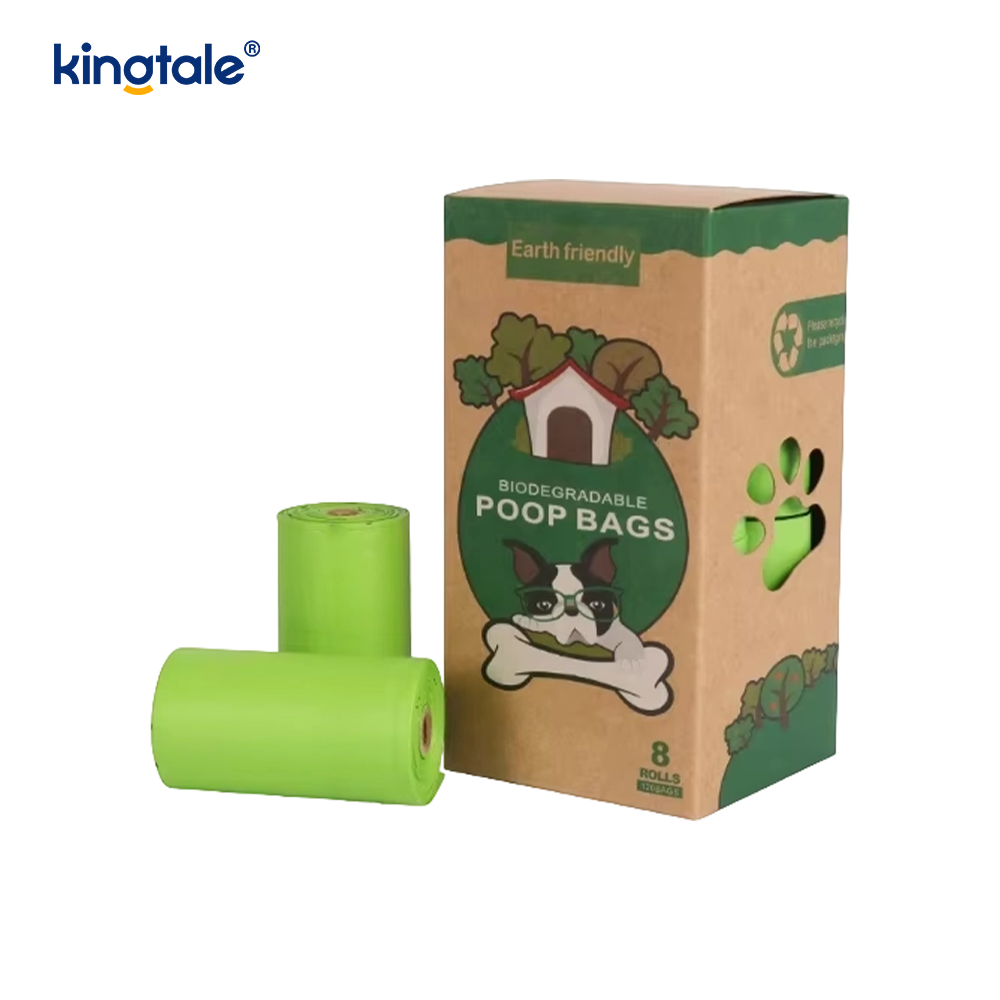
A pocket-ready roll of silky-smooth bags that reimagines the lowly poop scoop as an act of...
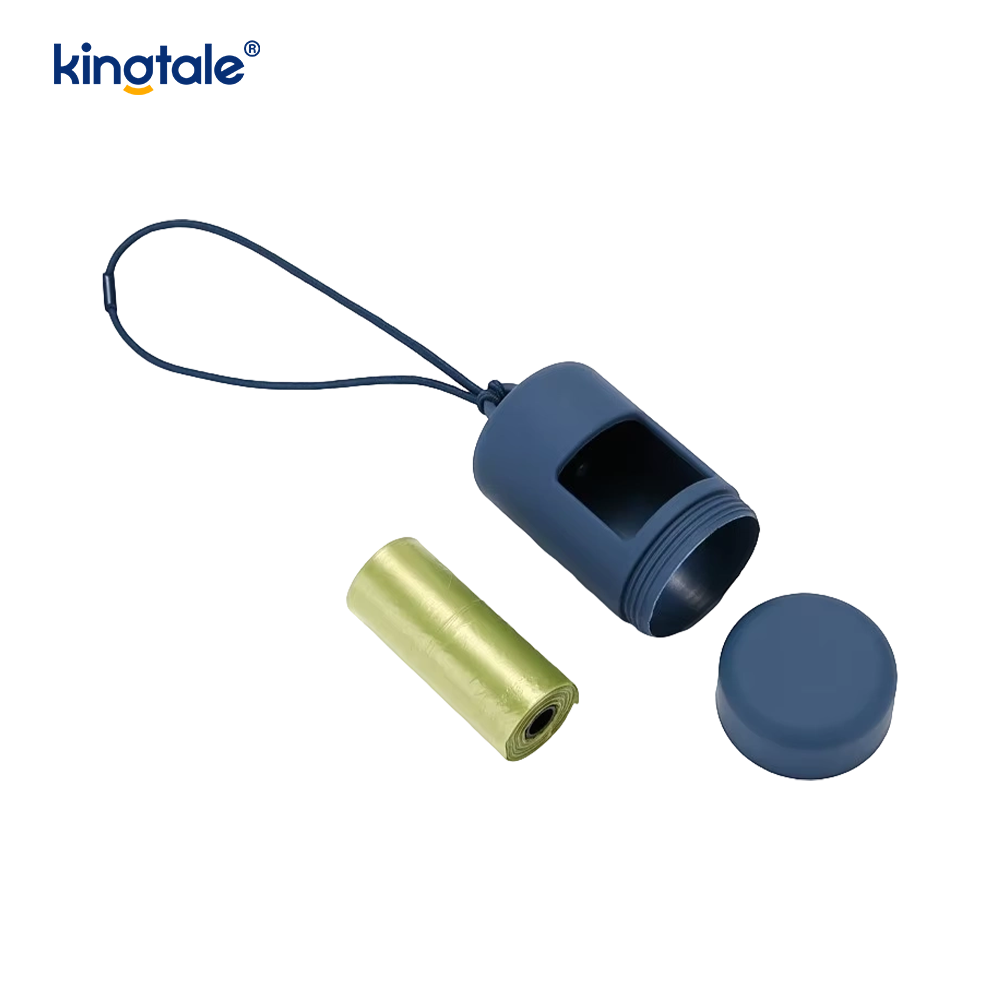
Pet Portable Garbage Bag – a sleek, leash-ready capsule that quietly revolutionizes the da...

Kingtale Pet Supplies Dog Poop Waste Bag is a roll-format, handle-tie trash liner engineer...

The Kingtale Custom Extra Large Round Cat Litter Box redefines modern feline hygiene solut...
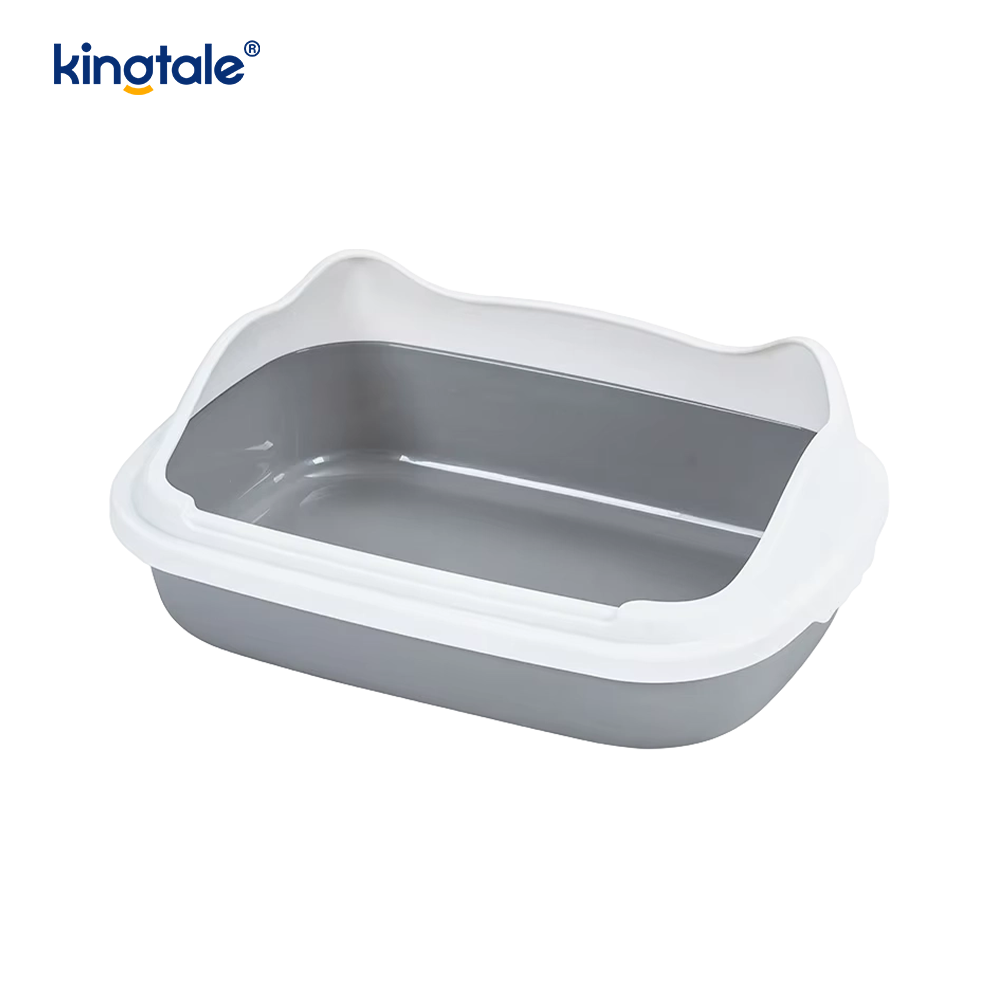
The Kingtale Custom Extra Large Round Cat Litter Box redefines modern pet hygiene solution...
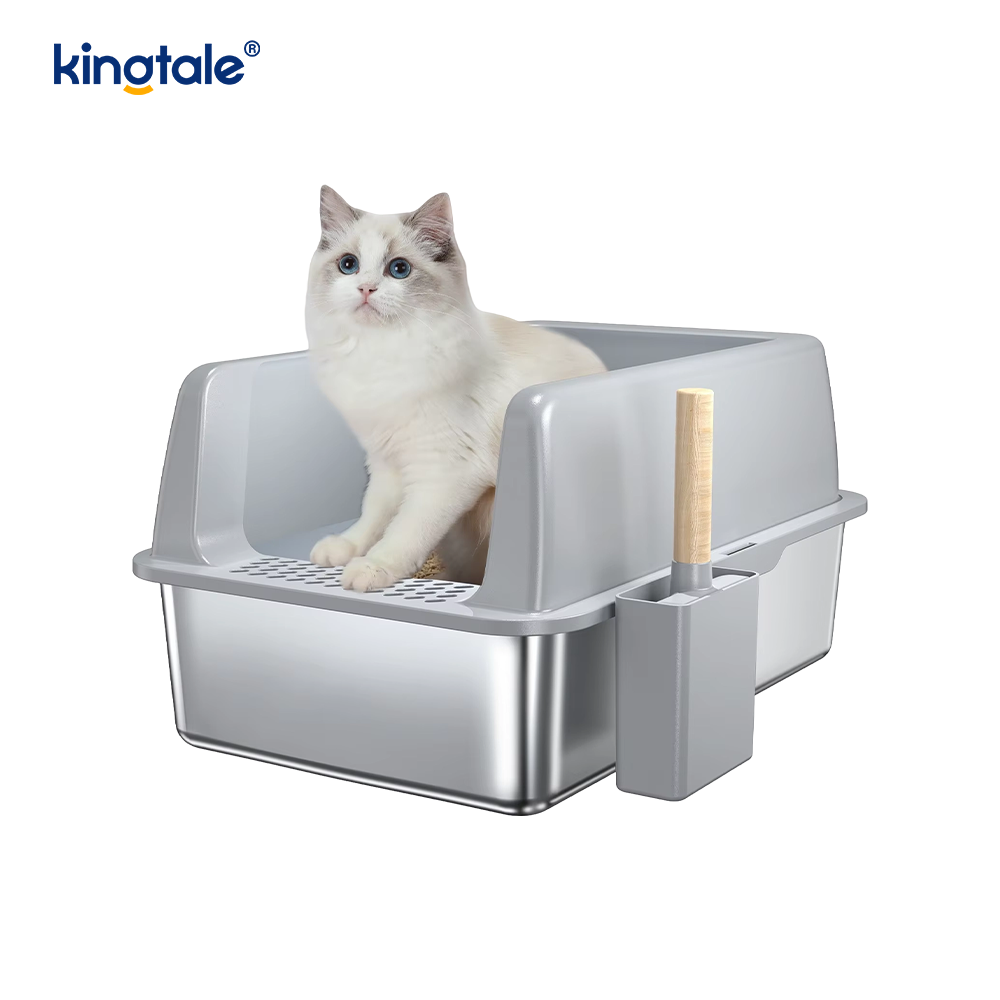
The Kingtale Custom Pet Suppliers Cat Accessories Anti-sand Pedal is an innovative litter ...

"Kingtale Semi-enclosed extra Large Anti-splash Cat Litter Box Cat Toilet Self Cleaning Li...
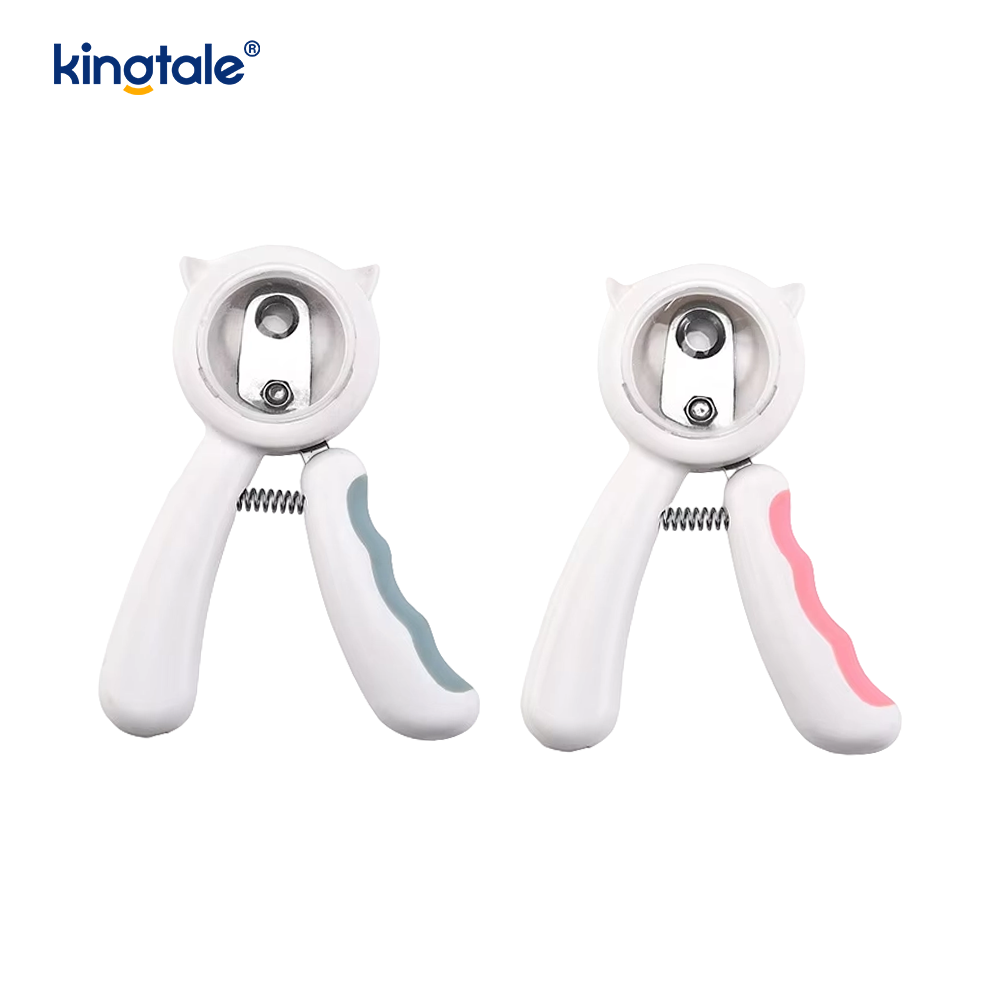
"Kingtale Pet Cute Stainless Steel Anti-splash Hiding File Nail for Cat and Dog" is a pet ...
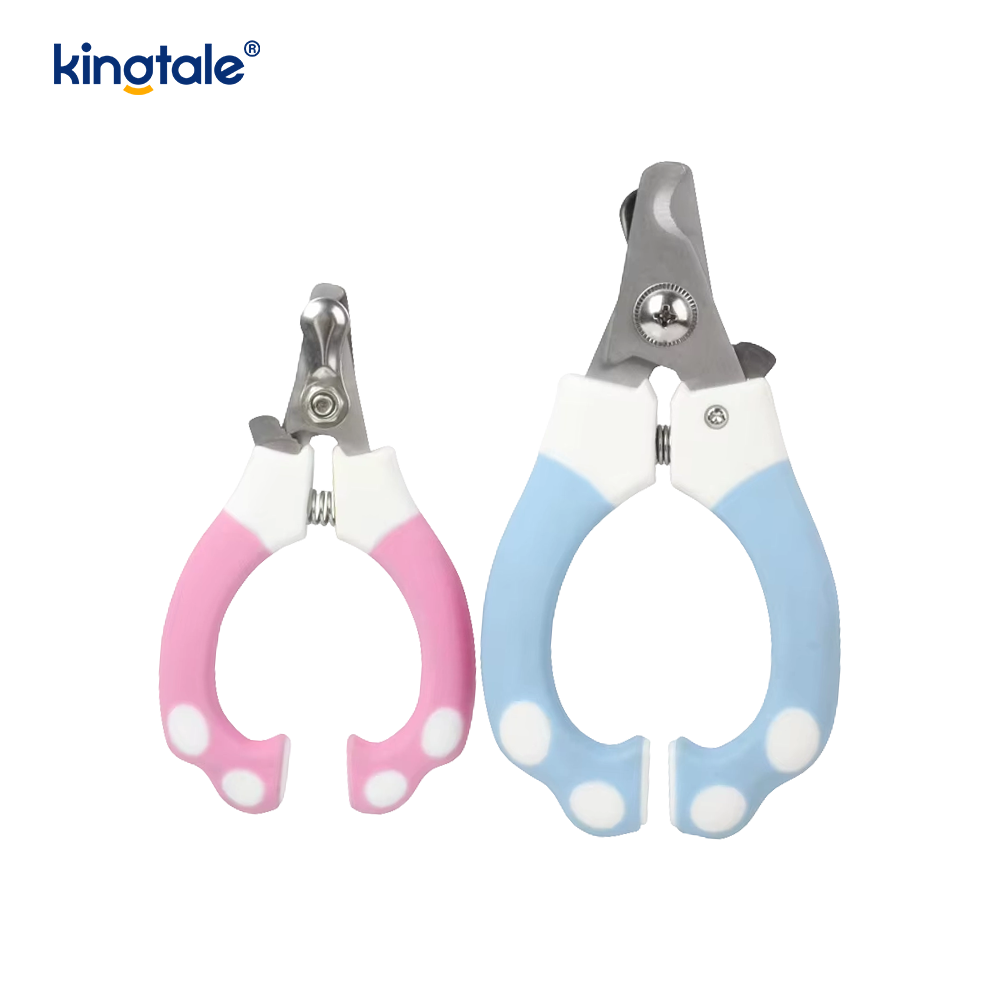
“Kingtale Custom Professional Pet Grooming Tools Stainless Dog Nail Clipper” is a type of ...
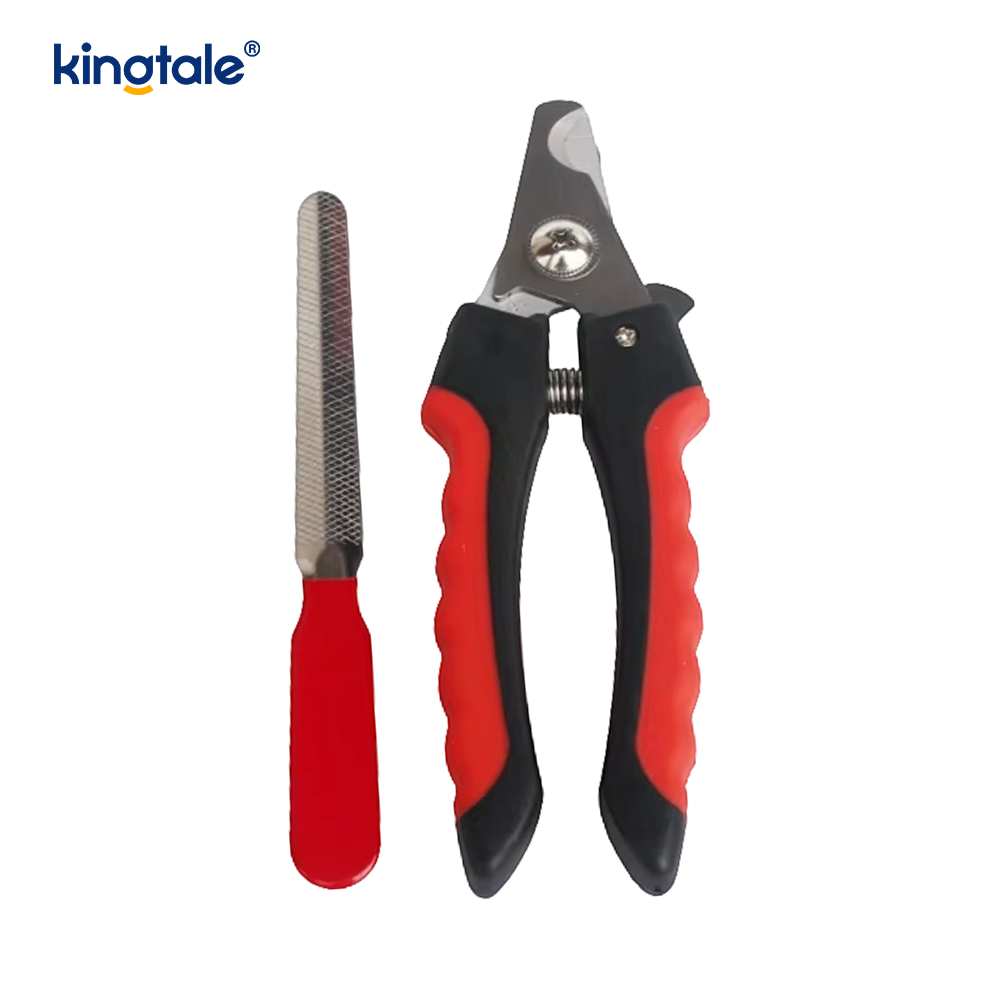
“Kingtale Professional Upgraded Dog Nail Grinder Pet Nail Trimmer Pet Nail Scissors Safety...
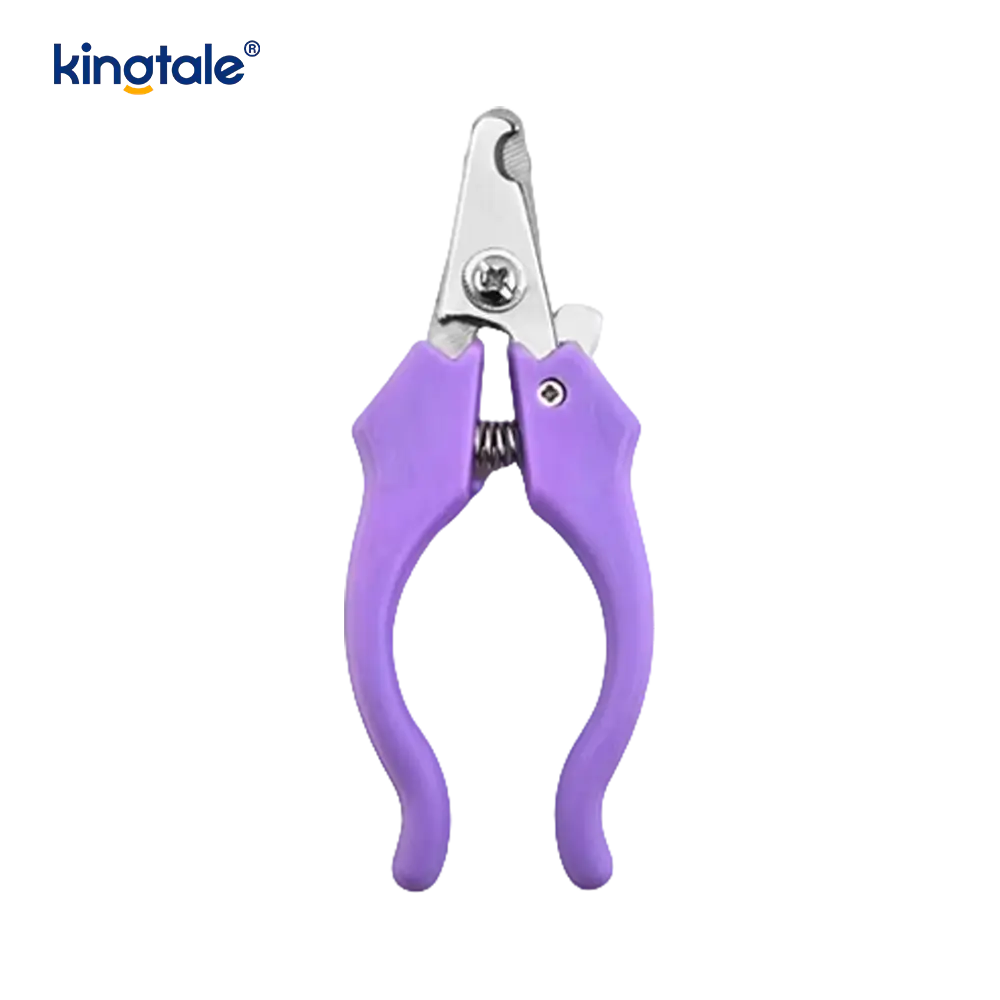
Scissor-style nail clippers work like regular scissors and are ideal for small to medium-s...

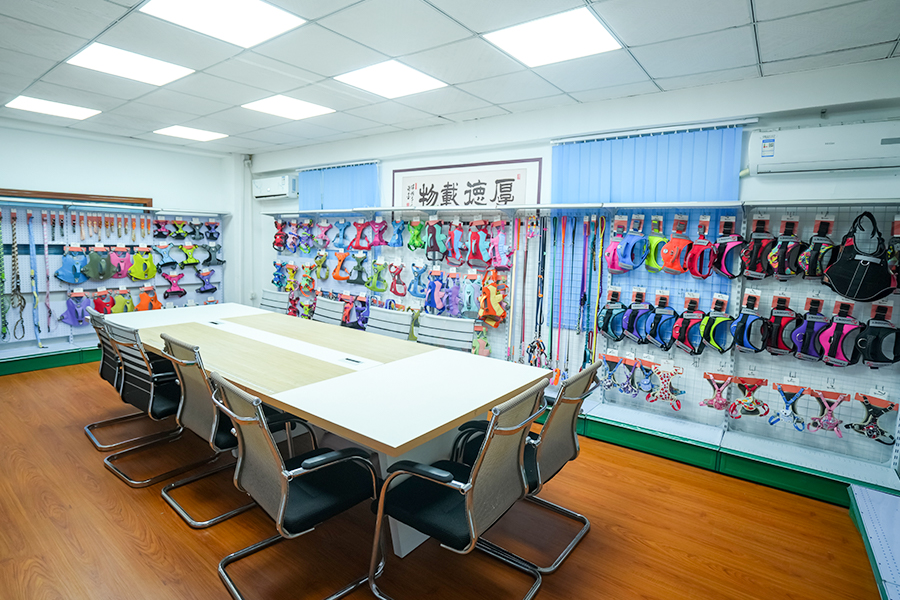
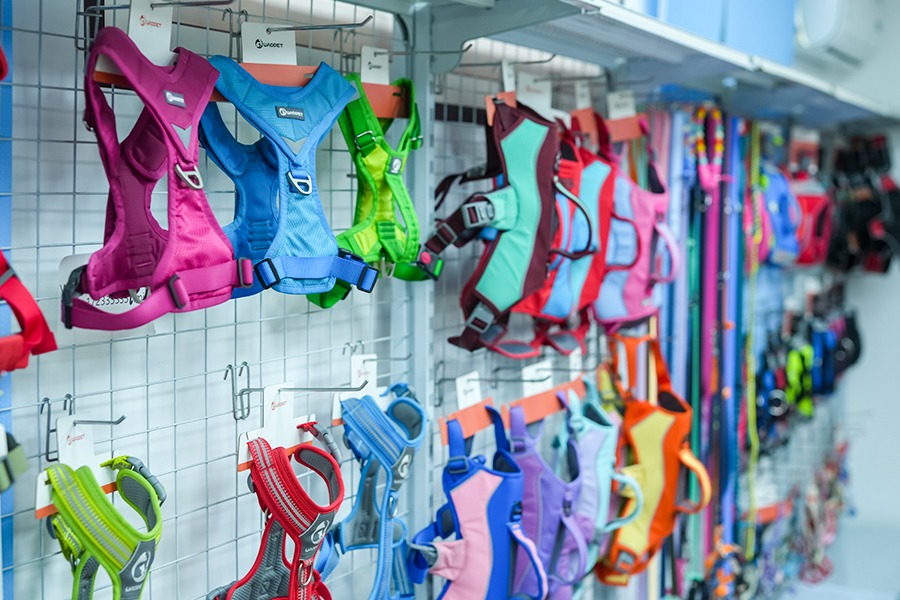
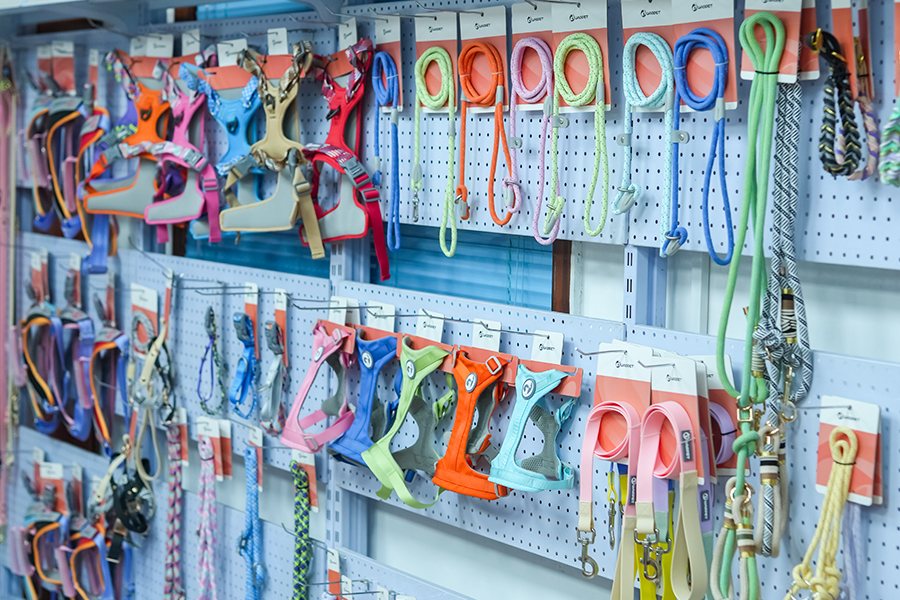

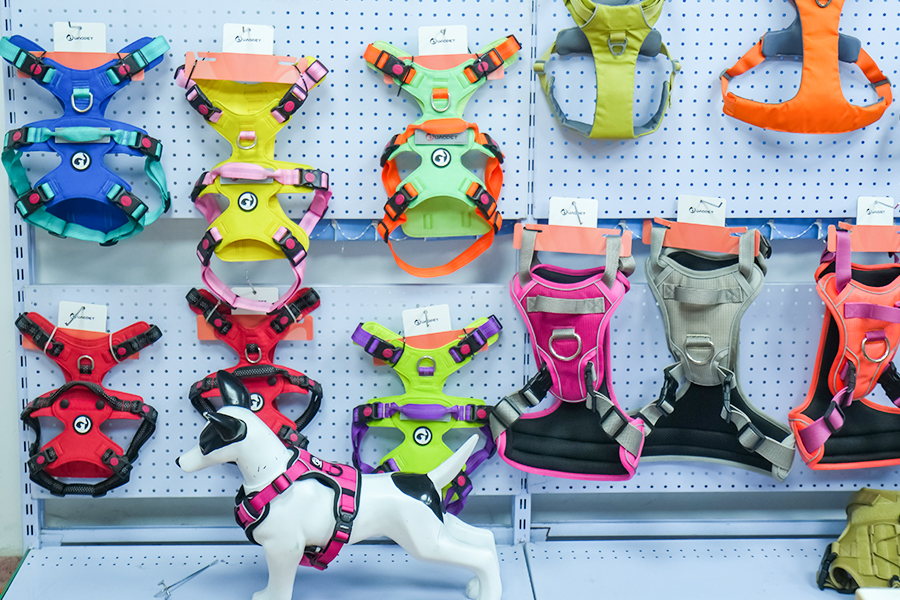


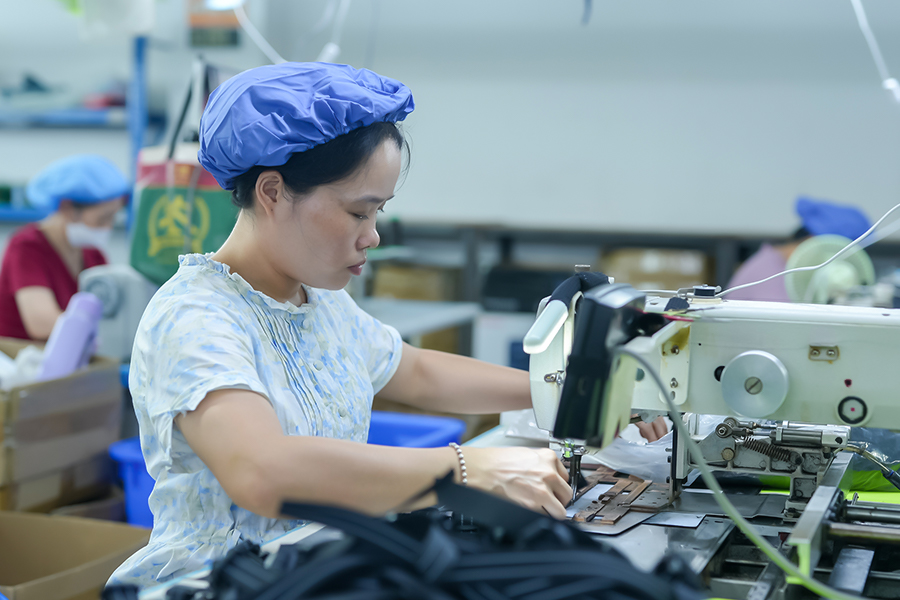

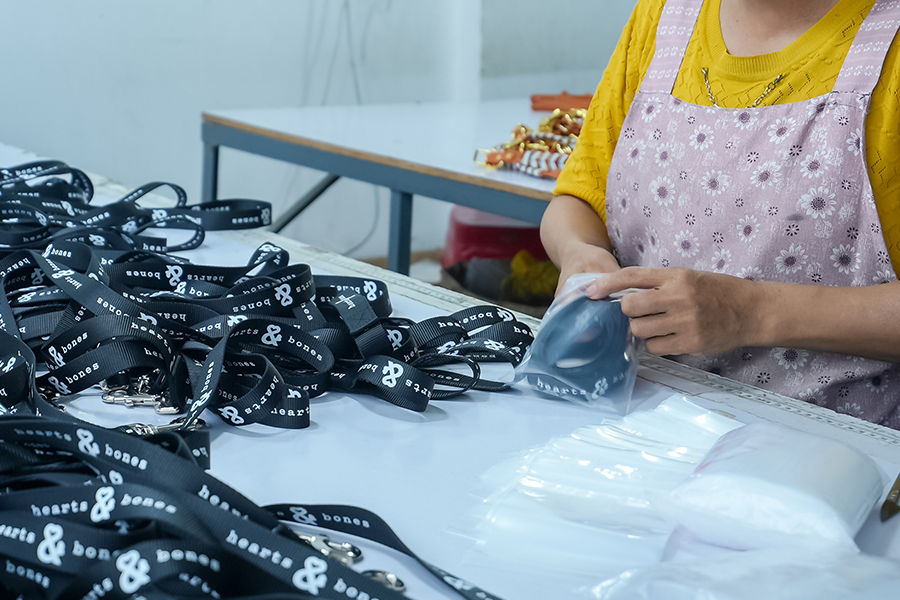
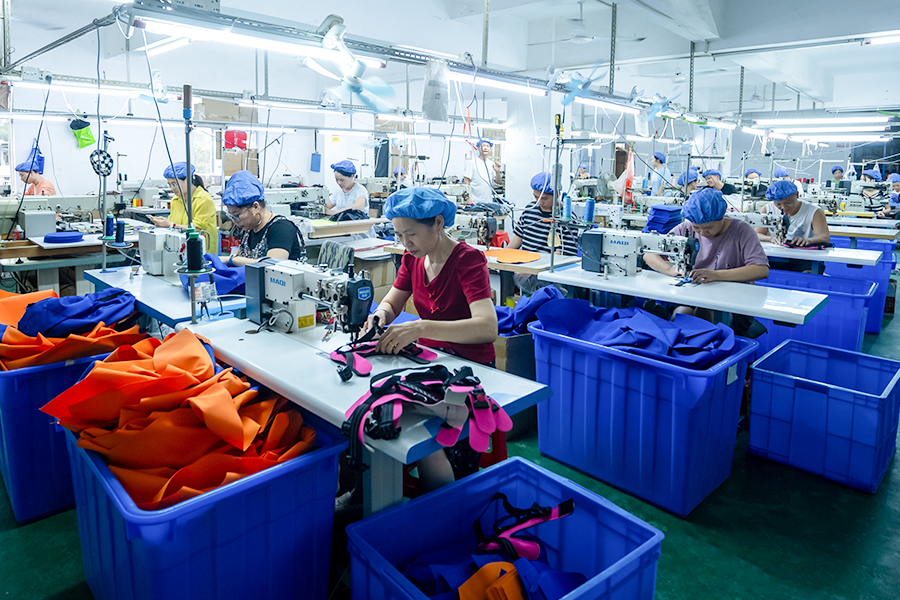
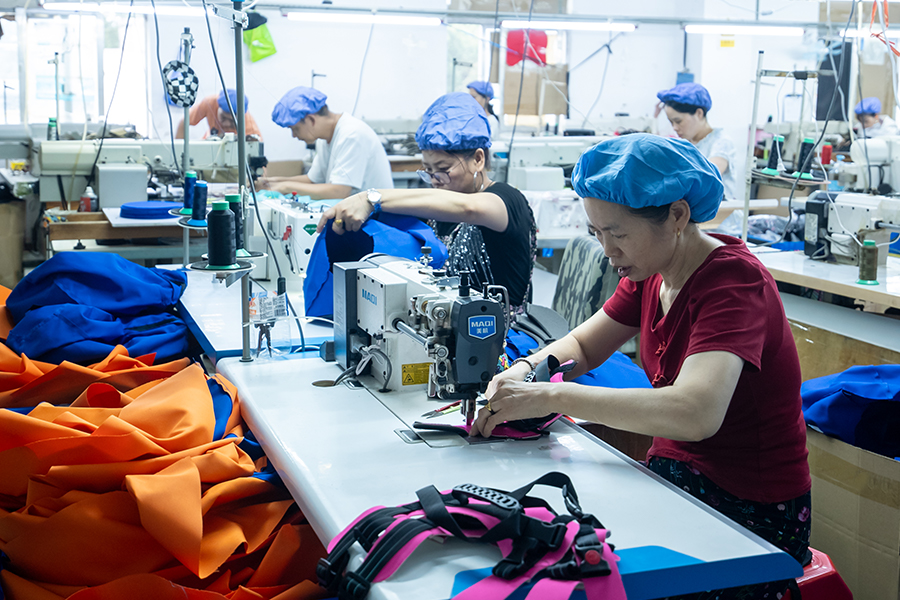
For professional procurement managers and specialized retailers, the durability of a product is not just a consumer preference—它 is a critical factor in supply chain efficiency and brand reputation. W...
READ MOREIntroduction Choosing the right Pet Harnesses is not only a matter of convenience but a critical decision that directly affects animal safety, biomechanics, and long-term comfort. For B2B buyers, impo...
READ MORESelecting the appropriate Pet Leash is a critical decision that transcends mere aesthetics; it involves analyzing mechanical load capacities, material tensile strength, and ergonomic efficiency suitab...
READ MOREThe luxury packaging industry is undergoing a seismic shift. By 2026, stringent regulations like the European Union's updated Ecodesign for Sustainable Products Regulation (ESPR) will mandate that com...
READ MOREPet cleaning and grooming products have transitioned from optional accessories to indispensable components of a comprehensive pet care system. As pet owners increasingly prioritize hygiene, comfort, and long-term wellness, the industry continues refining technologies, materials, and ergonomic designs to elevate both performance and safety. The category now extends far beyond basic shampoos and brushes, encompassing a sophisticated spectrum of grooming tools, pet hygiene essentials, odor control formulations, skin-friendly cleansing systems, and multifunctional care solutions. Understanding their functional logic, manufacturing evolution, and application scenarios provides a clear view of how the sector is redefining pet care at scale.
The ecosystem of pet cleaning grooming products revolves around three core functions: cleaning, conditioning, and preventive care. Each function targets a different dimension of pet well-being.
Cleaning products—ranging from pet bathing supplies to coat cleansers—are formulated to maintain hygiene without disrupting skin balance. Mild surfactants, plant-based extracts, hydration agents, and pH-stabilizing additives are increasingly favored. Products designed for sensitive breeds emphasize hypoallergenic compounds to minimize irritation.
Conditioning products support moisture retention, coat smoothness, and detangling performance. The trend toward leave-in conditioners, coat serums, and grooming sprays demonstrates the shift from basic cleansing to continuous coat maintenance. Balanced conditioning improves tactile comfort, reduces shedding, and strengthens hair fiber resilience.
Preventive pet hygiene solutions integrate deodorizing technologies, sebum control mechanisms, and natural antimicrobial compositions. Advanced odor neutralizers target molecular breakdown rather than simple masking. Some grooming tools incorporate antibacterial materials, while others use micro-textured surfaces to reduce residue buildup.
As pet cleaning grooming products evolve, material science and ergonomic engineering become essential in driving user-centric improvements.
Brushes, combs, deshedding equipment, and massage tools increasingly adopt:
Such materials reinforce structural durability while reducing grooming fatigue for owners.
Grooming tools now incorporate modular components, detachable heads, and water-compatible surfaces for rapid sanitation. In bathing supplies, flow-regulated shower attachments enhance washing consistency. Multifunctional grooming devices combine brushing, massaging, and fur collection in one form factor, aligning with market preferences for streamlined solutions.
Safety remains the anchor of product credibility within the global pet care essentials market, influencing formulation choices, material sourcing, and manufacturing standards. Manufacturers prioritize ingredients with low irritation potential, emphasizing dermatological testing and pH-appropriate adjustments tailored to different coat types.
Edge smoothness, bristle density, and impact-resistant structural components reduce the risk of accidental skin abrasions. Tools for dense coats adopt tension-optimized blades to improve efficiency without increasing pressure. Export-oriented manufacturers integrate documentation systems covering labeling, sterilization protocols, and traceable supply-chain records to align with major market standards in the EU, Southeast Asia, and North America.
The rise of vertically integrated production models significantly affects cost, consistency, and innovation speed in pet cleaning grooming products. Zhangjiagang Kingtale International Co., Ltd. demonstrated how integrating workflows such as design, materials engineering, and export logistics can improve product reliability and adaptability.
Kingtale leverages its deep insight into customer needs to develop tailored grooming and pet hygiene solutions. From ergonomic grooming tools to multifunctional toiletry essentials, customization ensures alignment with diverse market expectations.
By relying on mature supply-chain operations and optimized resource allocation, the company delivers pet grooming tools and cleaning products with competitive pricing while maintaining stringent quality standards.
Full-process inspection systems—IQC, IPQC, and OQC—ensure every batch of pet care essentials remains consistent in performance and reliability. Modern manufacturing lines facilitate precise molding, blending, and assembly operations.
Zhangjiagang Kingtale International Co., Ltd.’s one-stop capability—covering injection molding, textile production, hardware components, blow molding, and smart electronics integration—supports the development of collars, toys, cleaning products, and grooming accessories. This diversification reduces lead times and enhances market responsiveness.
The company emphasizes rapid communication, transparent project progress, and value-added services including technical upgrades, cost optimization insights, and global market intelligence. This service philosophy positions it as a strategic partner in international pet product development.
The market for pet cleaning grooming products is shaped by evolving consumer habits, lifestyle changes, and expectations for holistic pet care.
As pets spend more time indoors, demand for effective odor control, coat maintenance, and post-walk quick-cleaning products rises. Towelettes, dry shampoos, and compact grooming tools cater to this environment.
Households with multiple pets require higher-frequency grooming cycles, stimulating demand for durable brushes, deshedding combs, and fast-acting bathing supplies.
Humidity, shedding seasons, and temperature cycles influence product selection. For example, conditioning products may be favored during dry seasons, while cleansing items become essential during rainy periods.
Pet owners increasingly adopt regular grooming to support preventive wellness rather than waiting for visible issues. This cultural shift expands the use of daily grooming sprays, antimicrobial wipes, and coat-refreshing products.
Pet cleaning grooming products now form a comprehensive ecosystem integrating hygiene science, material innovation, ergonomic engineering, and responsible manufacturing. As global expectations for pet well-being continue to rise, the industry will prioritize tailored solutions, multifunctional efficiencies, and sustainable development.