English
 Español
Don't hesitate to send a message
Product Definition & Introduction:Our best-selling Classic Fleece Hoodie is engineered...
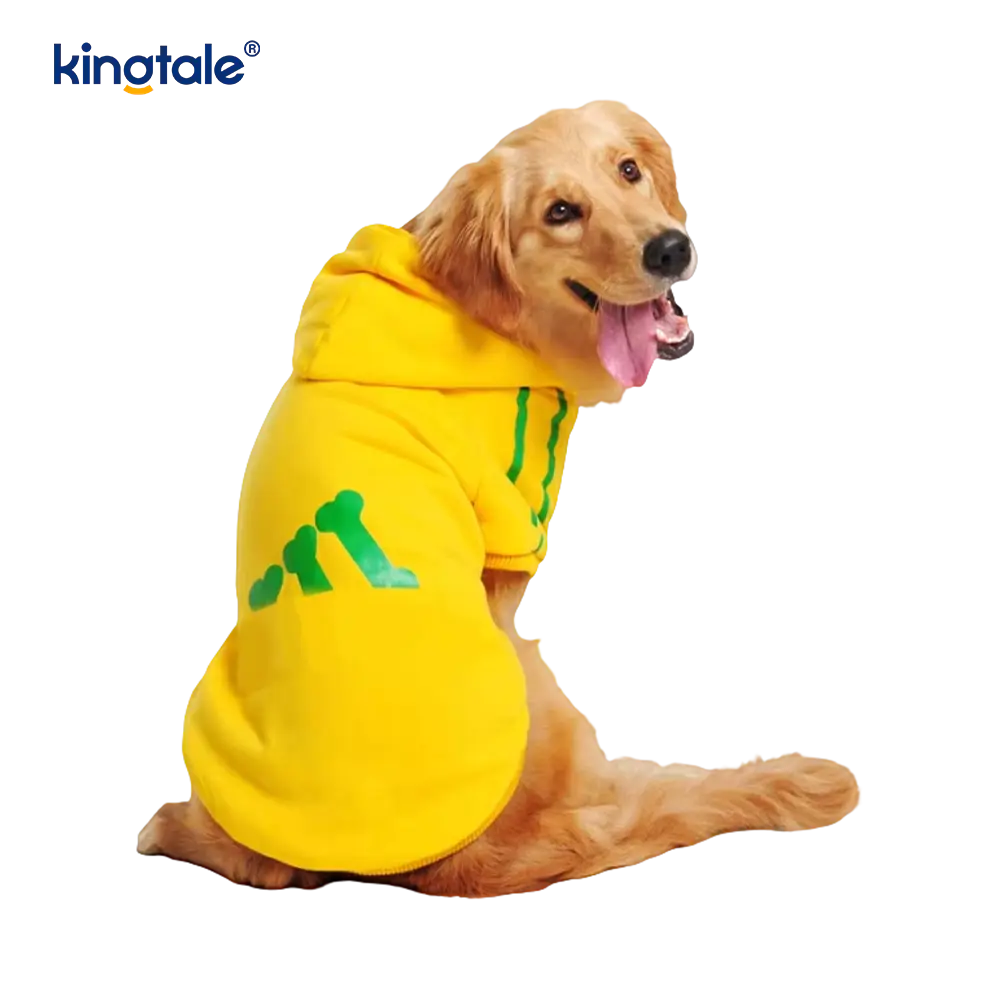
Product Definition & Introduction:Our best-selling Classic Fleece Hoodie is engineered...
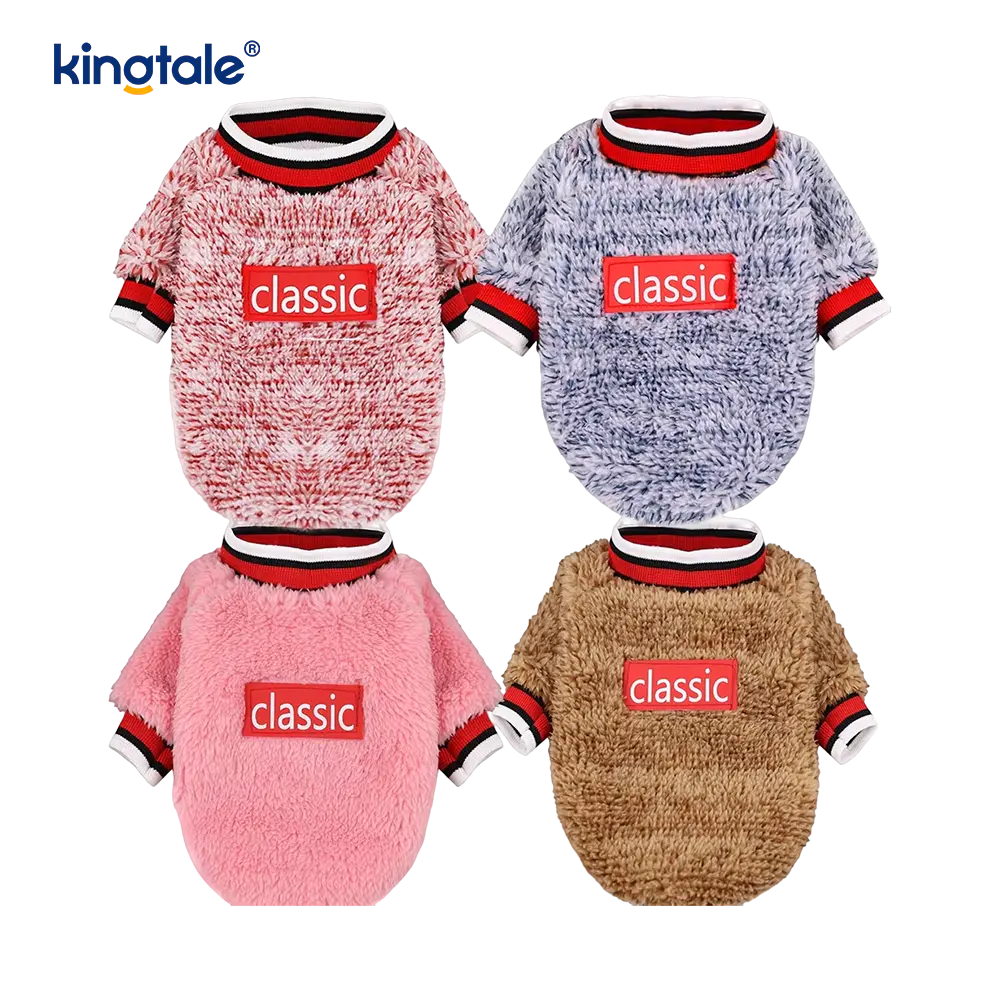
Product Definition & Introduction:This is a high-quality, cotton-blend winter sweater ...
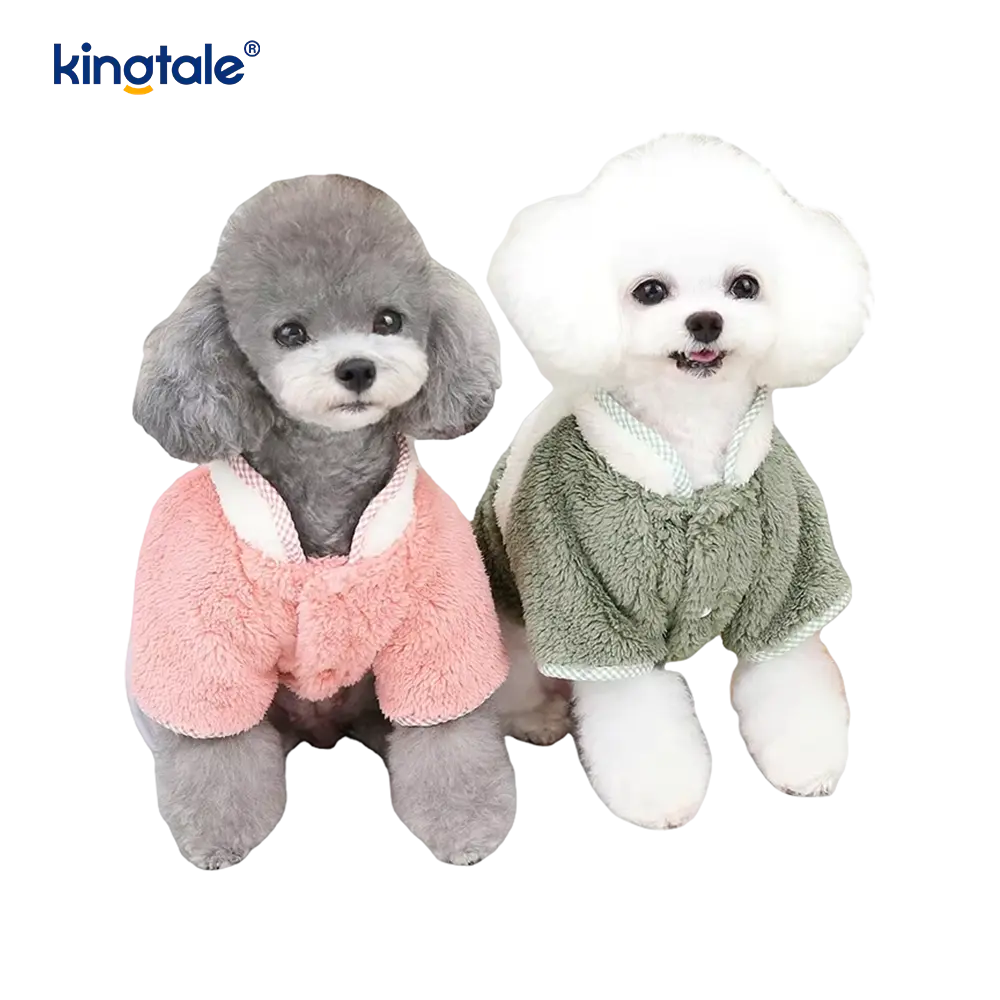
The Kingtale Fleece Vest is a cozy, stretchable pullover designed for small to medium bree...
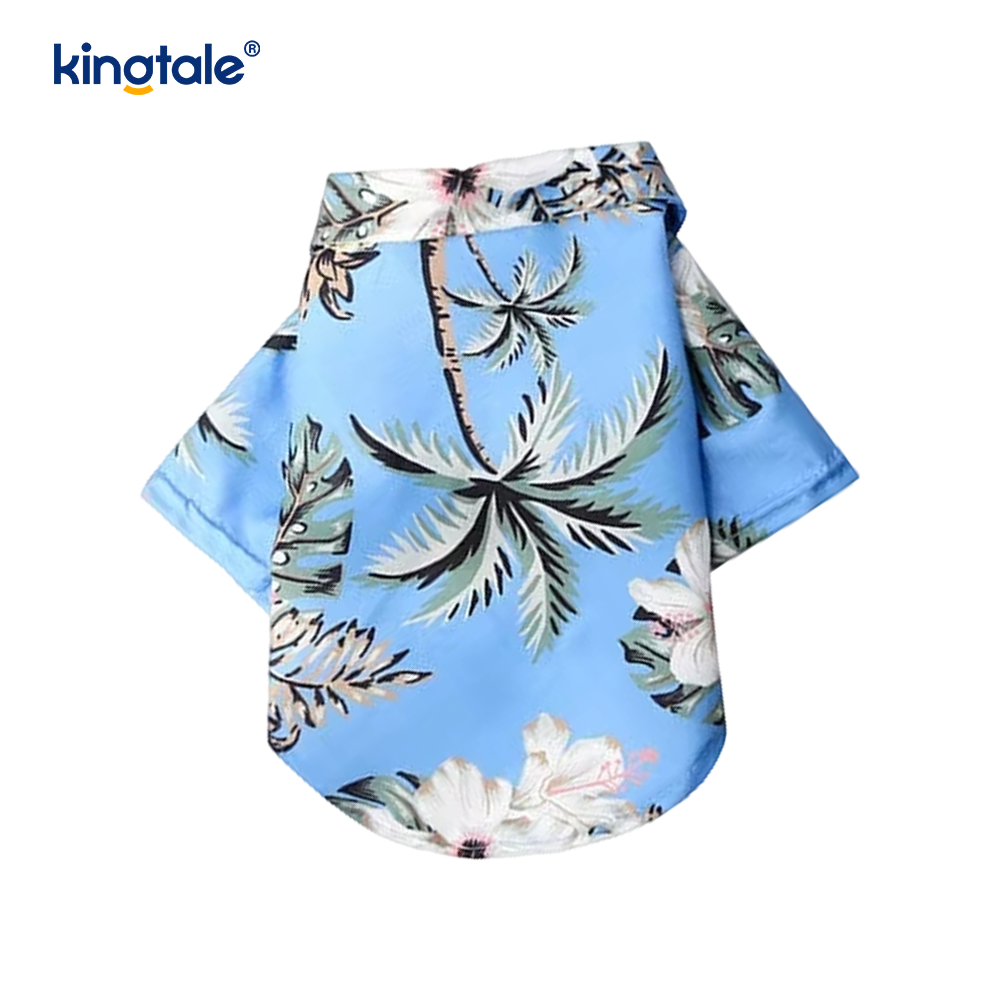
The Kingtale Summer T-Shirts for Dogs are vibrant, beach-inspired pet apparel designed to ...
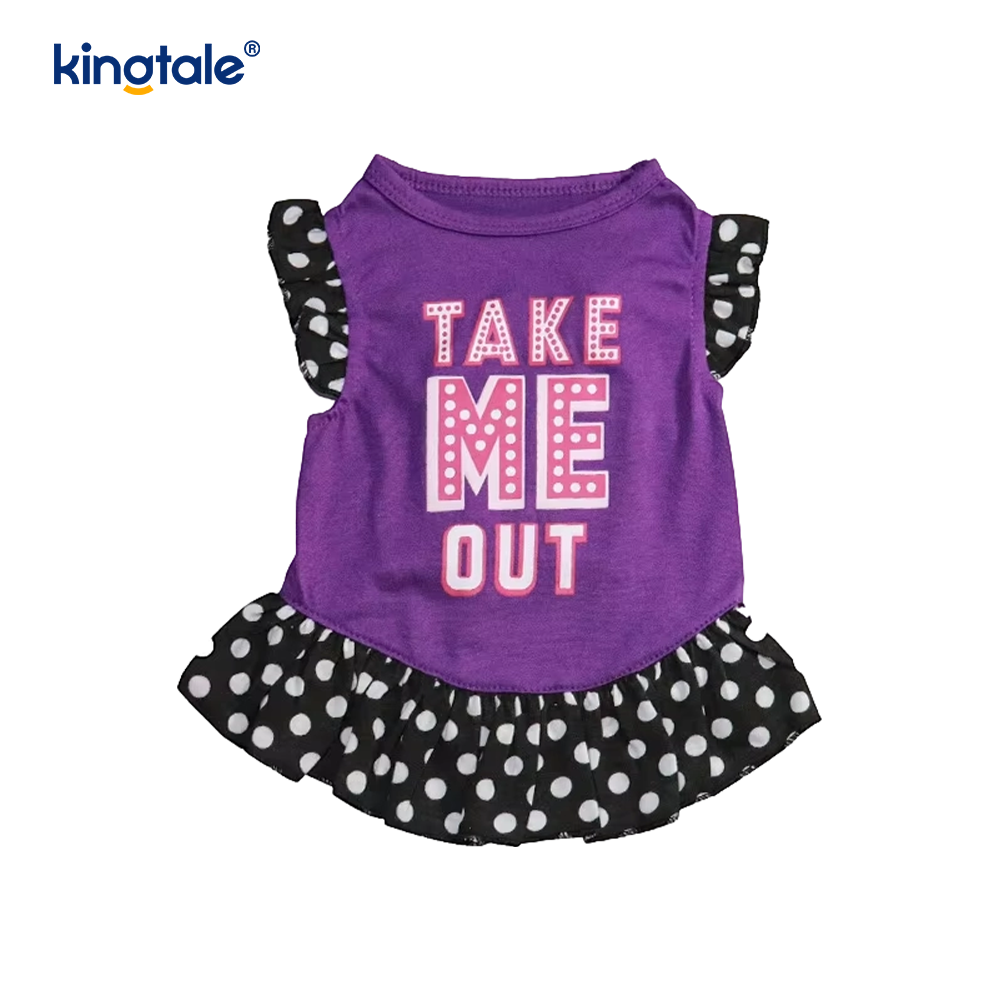
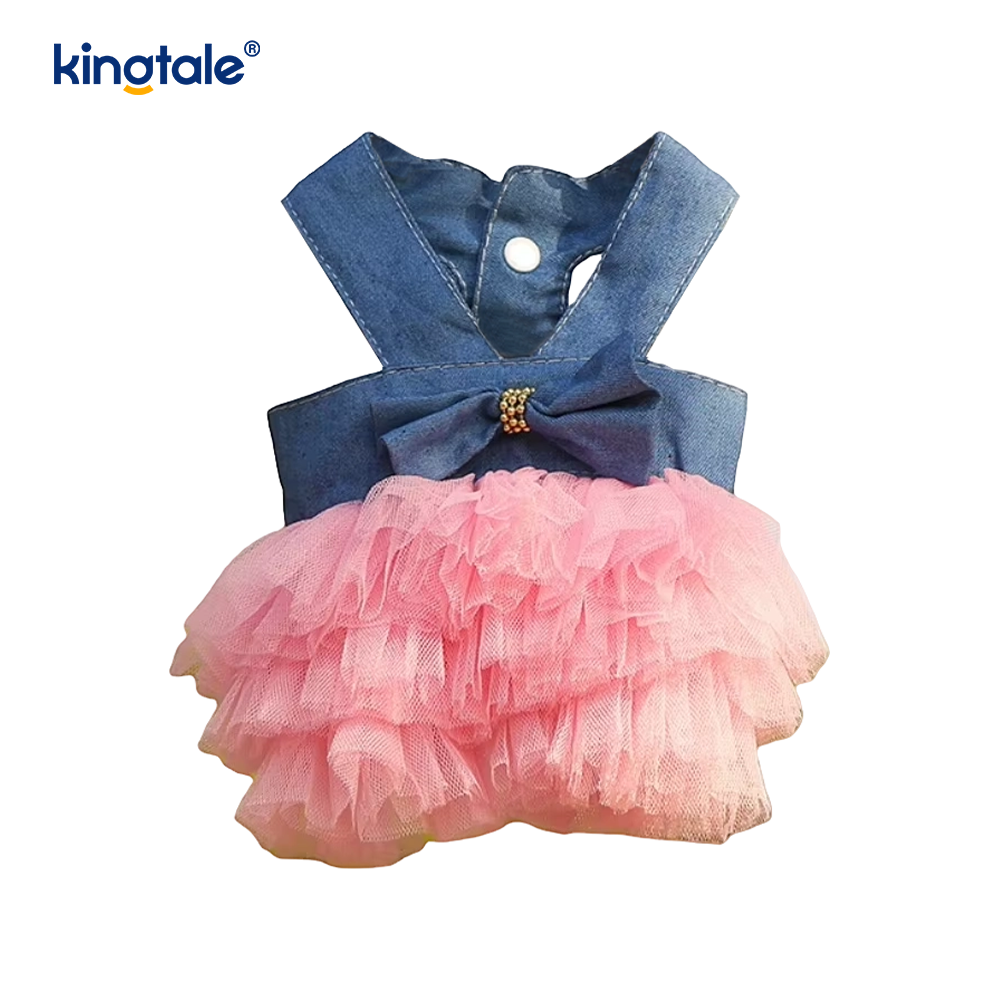
This airy, sleeveless frock is tailored for toy and small-breed dogs who need a light laye...
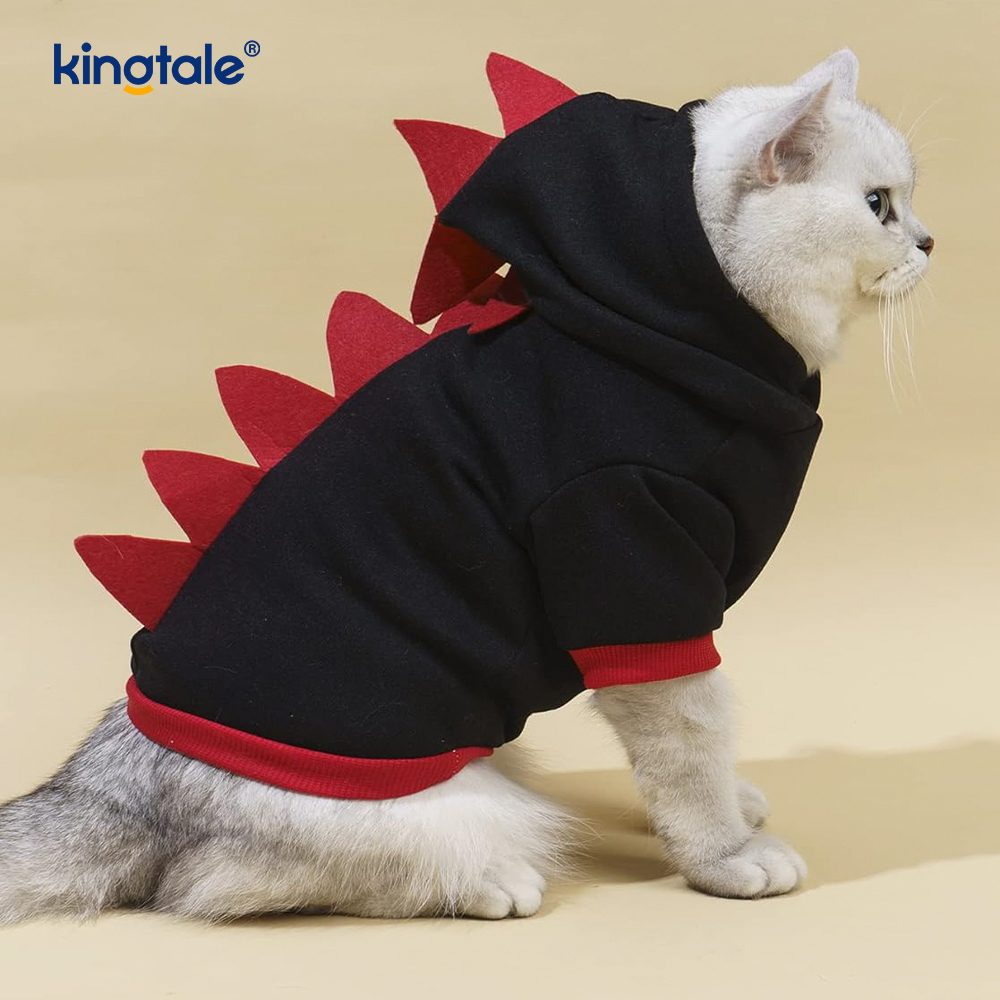
Engineered for extreme conditions, the Kingtale Winter Jacket is a high-performance outer ...
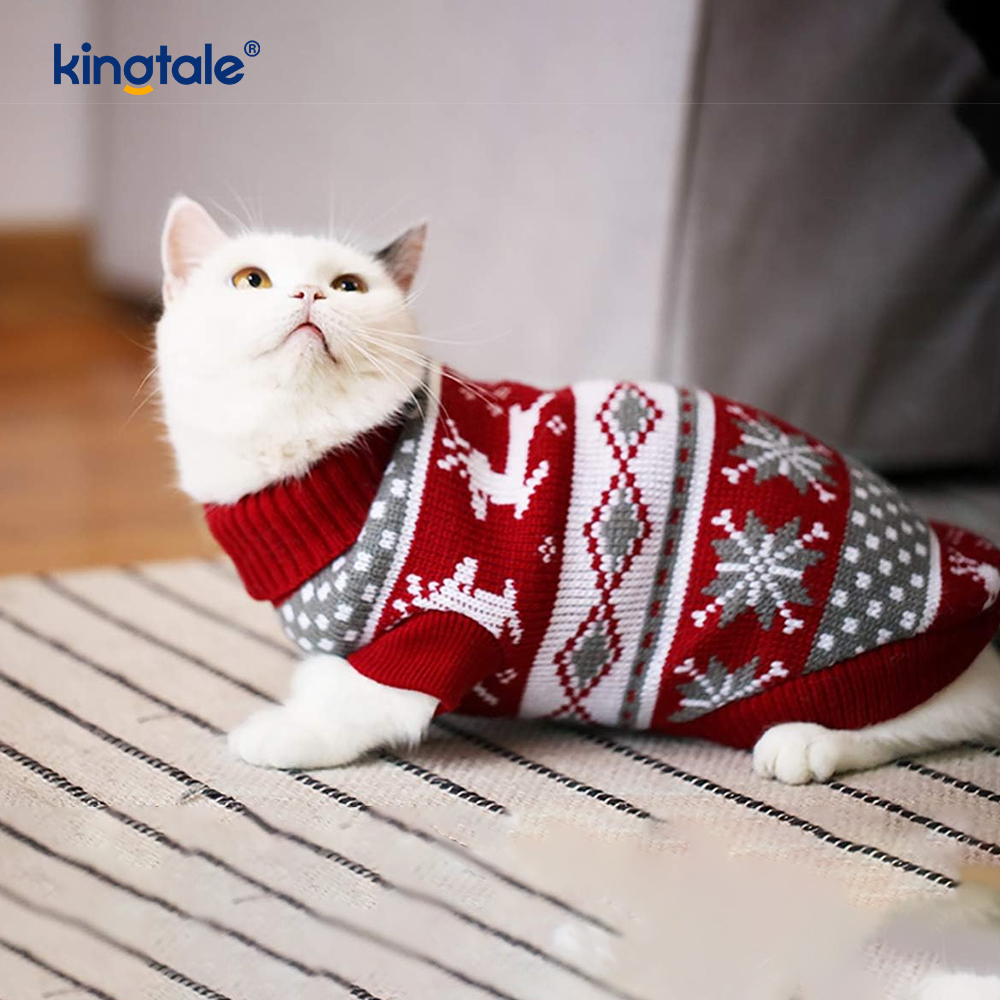
Unleash your pet's inner character with our Kingtale Dinosaur Costume! This adorable and h...
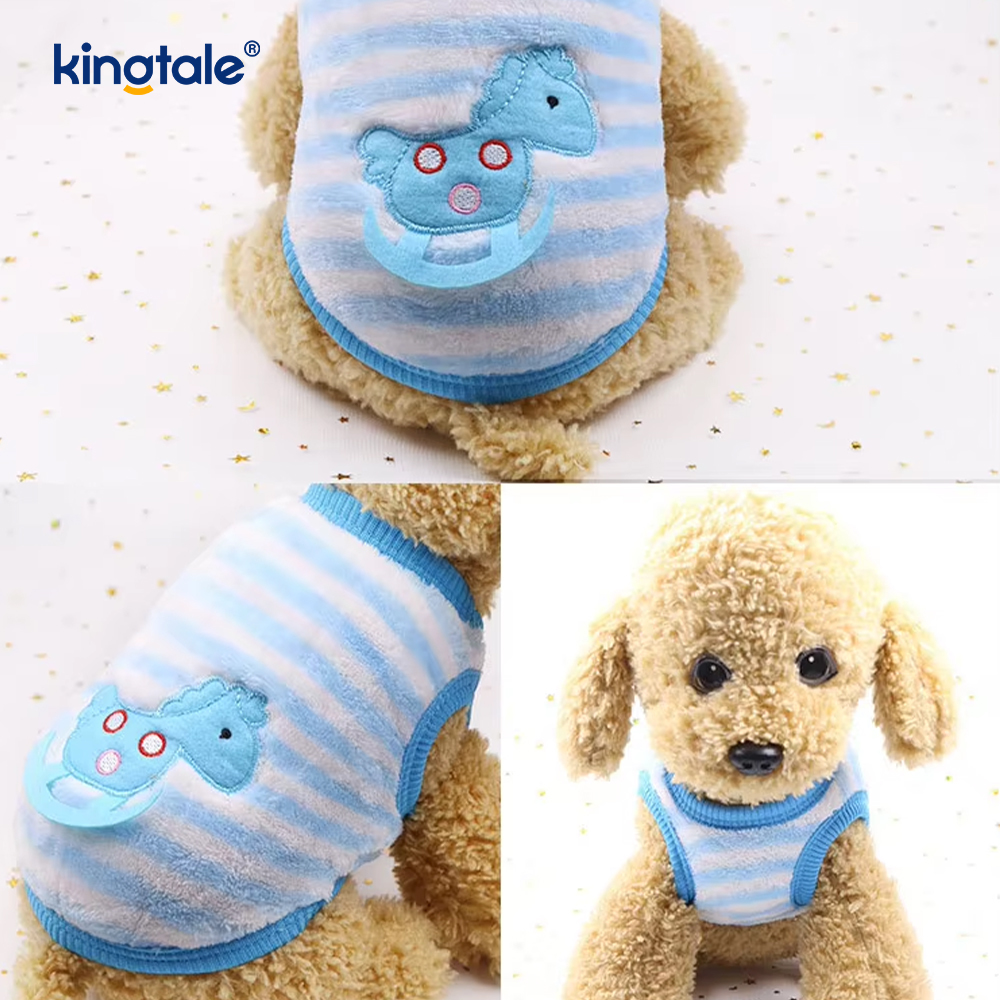
The Kingtale Preppy Style Knit Sweater is a classic, wardrobe-essential garment designed f...
The Kingtale Cute Pet Cartoon Collar Bib is a multifunctional accessory designed for both ...
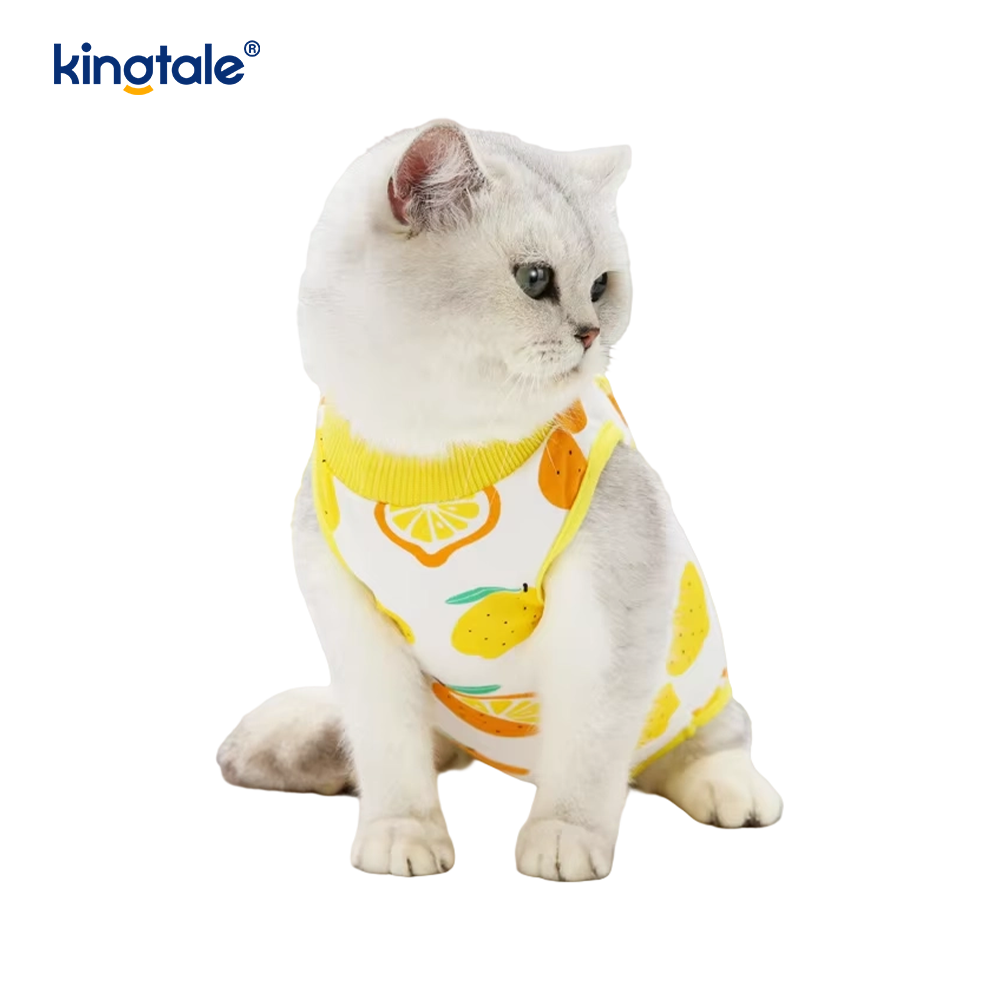
More than a layer of fabric, this Kingtale Recovery Suit is a breathable second skin desig...
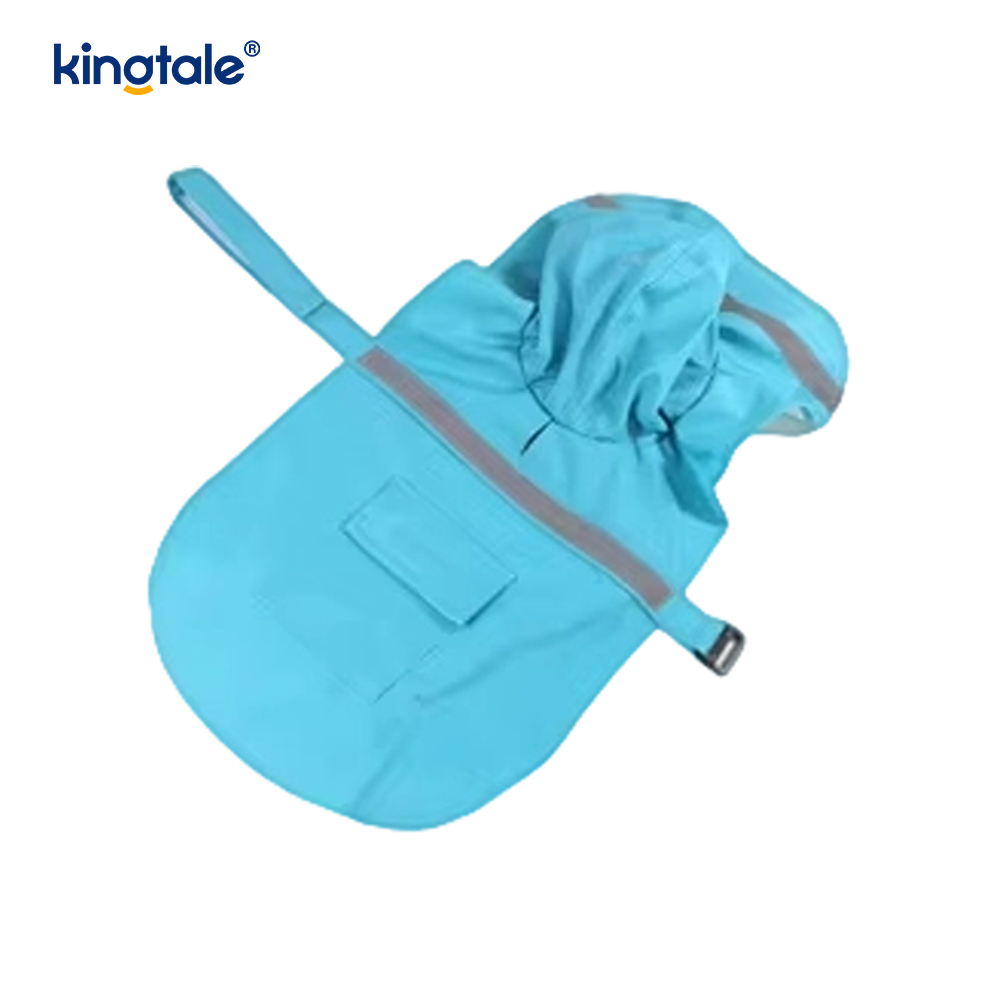
This is a full-coverage raincoat made from waterproof fabric, designed to shield your pet’...

These hats are designed with either a fixed or detachable hood to provide additional head ...

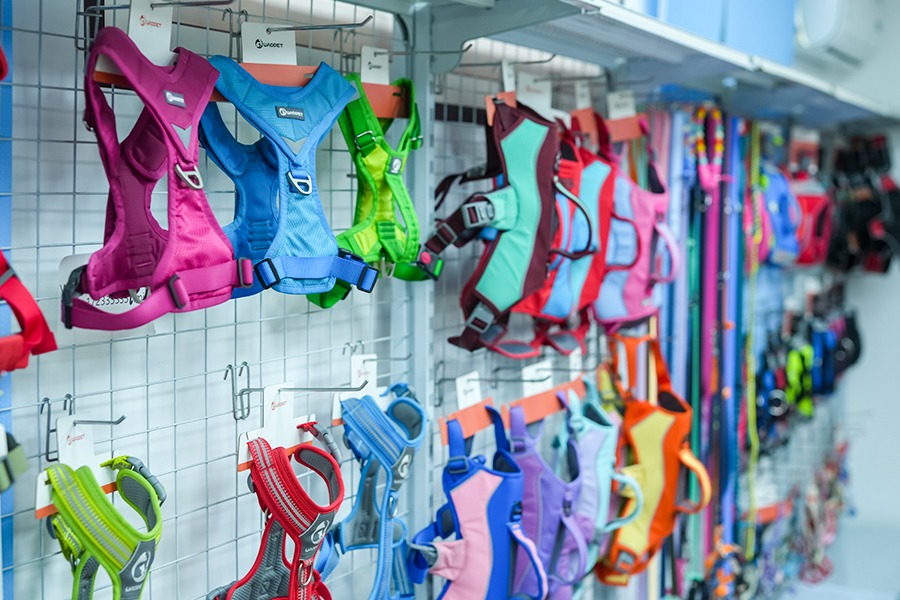
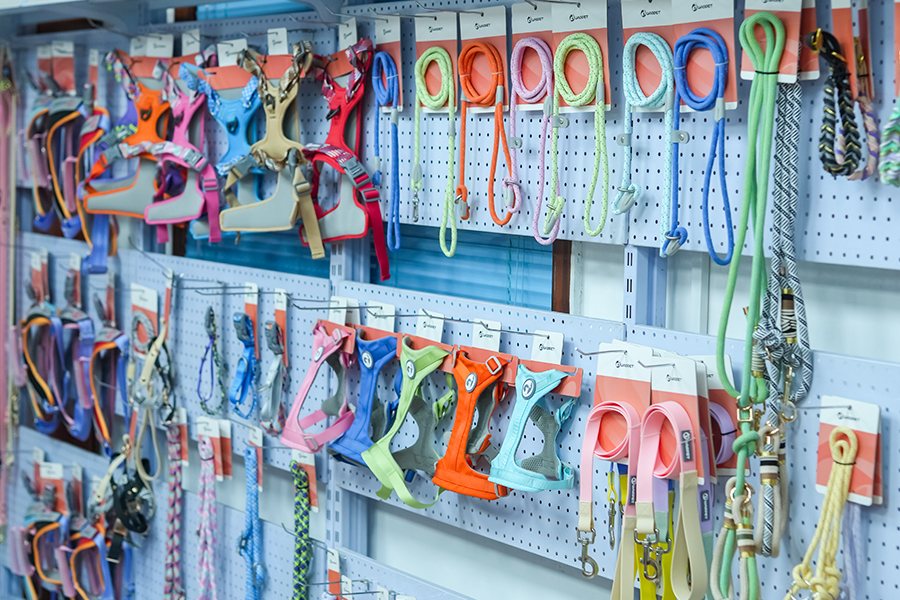
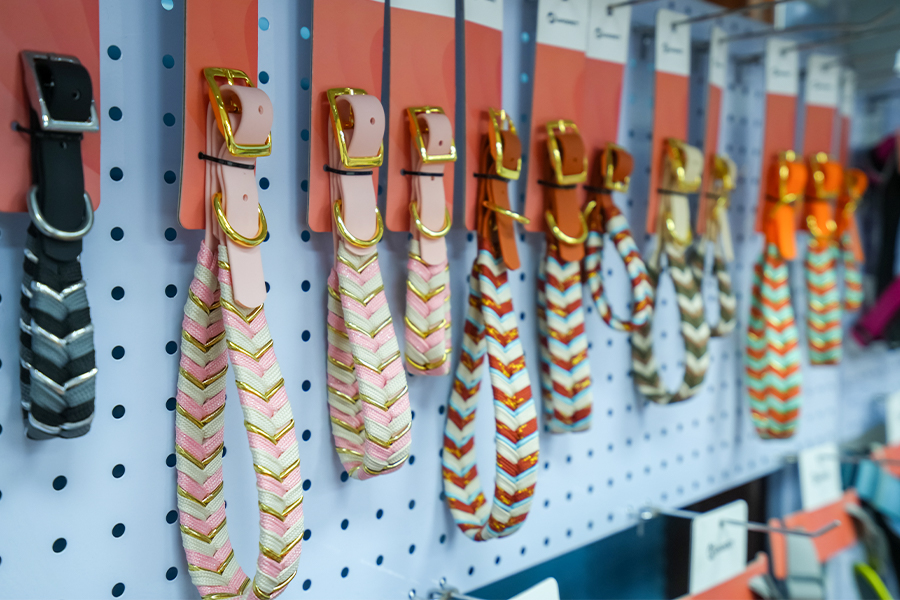
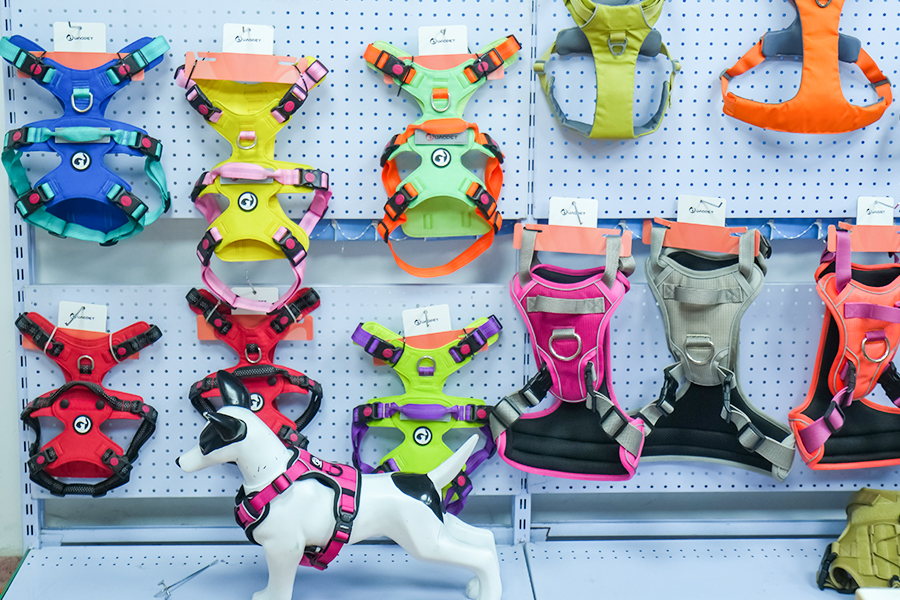



For professional procurement managers and specialized retailers, the durability of a product is not just a consumer preference—它 is a critical factor in supply chain efficiency and brand reputation. W...
READ MOREIntroduction Choosing the right Pet Harnesses is not only a matter of convenience but a critical decision that directly affects animal safety, biomechanics, and long-term comfort. For B2B buyers, impo...
READ MORESelecting the appropriate Pet Leash is a critical decision that transcends mere aesthetics; it involves analyzing mechanical load capacities, material tensile strength, and ergonomic efficiency suitab...
READ MOREThe luxury packaging industry is undergoing a seismic shift. By 2026, stringent regulations like the European Union's updated Ecodesign for Sustainable Products Regulation (ESPR) will mandate that com...
READ MOREThe rapid expansion of the global pet economy has reshaped expectations for fashion pet clothes, pushing the category beyond decorative apparel into a sophisticated product segment driven by performance, comfort, and user-focused design. As pet owners increasingly view pets as family members, the demand for pet apparel, stylish dog clothes, seasonal pet wear, and customized accessories has grown substantially. This shift has elevated the technical requirements of pet clothing while reinforcing the need for refined aesthetics and more diverse product functions.
Modern pet clothing must first address functional requirements across varied daily environments. While aesthetics influence purchase decisions, functionality remains the fundamental criterion for long-term consumer trust. Developers of fashion pet clothes pay particular attention to environmental adaptability, protection, and ergonomic design.
Essential functions include thermal insulation for low-temperature environments, cooling materials for warm seasons, moisture management, and structural protection for outdoor conditions. Meanwhile, lightweight fabrics, adjustable closures, and anatomically informed patterning ensure that pet outfits support natural movement. These factors have helped the category shift from “cute accessories” toward specialized wear capable of meeting pets’ physiological and behavioral needs.
Comfort serves as the foundation of modern pet apparel engineering. Material innovation has accelerated the evolution of fashion pet clothes, especially as textiles originally developed for human performance wear are becoming more accessible for pet applications.
Soft-touch fibers, breathable mesh, water-repellent textiles, and eco-conscious materials are increasingly integrated to deliver enhanced wearing comfort and reduce friction on fur and skin. Stretch fabrics support mobility, and intelligently layered structures help maintain optimal microclimates close to the body. These developments support both basic daily use and more advanced scenarios such as outdoor exploration or high-activity play.
Manufacturers also evaluate dye fastness, pilling resistance, and wash durability to ensure long-term stability. As a result, material selection has become a strategic design decision directly shaping the perceived value of premium pet fashion accessories.
In a market heavily influenced by personalization, aesthetic value has become a primary differentiator. Consumers increasingly seek visually distinctive pet apparel that reflects their personal lifestyle preferences. This includes seasonal color palettes, minimalistic tailoring, bold graphic elements, and styles inspired by human fashion trends.
Designers often integrate symbolic motifs, ergonomic embellishments, and gender-neutral palettes to broaden consumer appeal. Structured silhouettes, layered looks, and tailored fits enhance the fashion-forward energy of stylish dog clothes, while maintaining comfort and functional integrity. As social media accelerates visual trends, aesthetic categorization—such as vintage themes, luxury-inspired looks, and outdoor-sport motifs—continues to expand, offering more targeted segmentation opportunities.
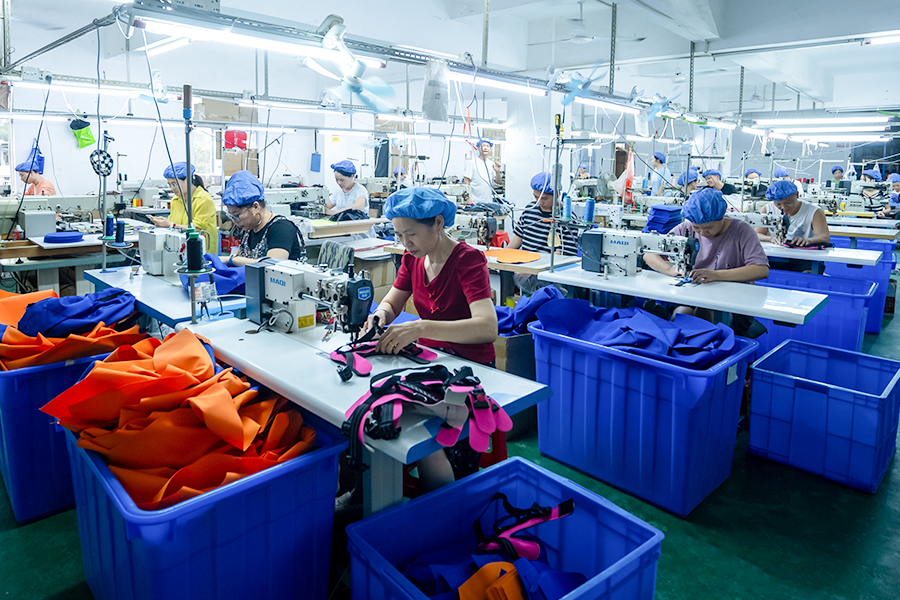
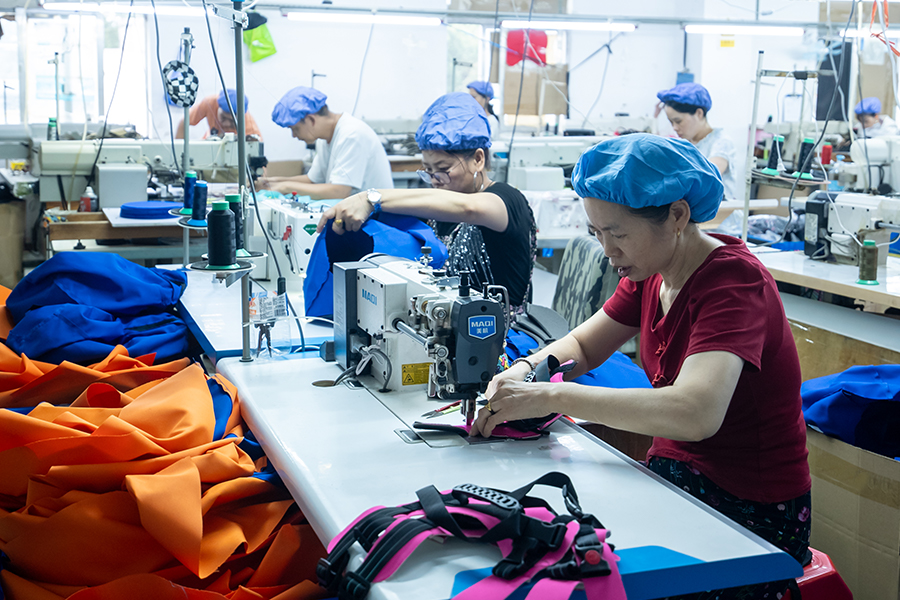
Behind every high-quality garment lies a streamlined manufacturing framework capable of balancing cost, complexity, and custom requirements. In this context, vertically integrated companies play an increasingly important role.
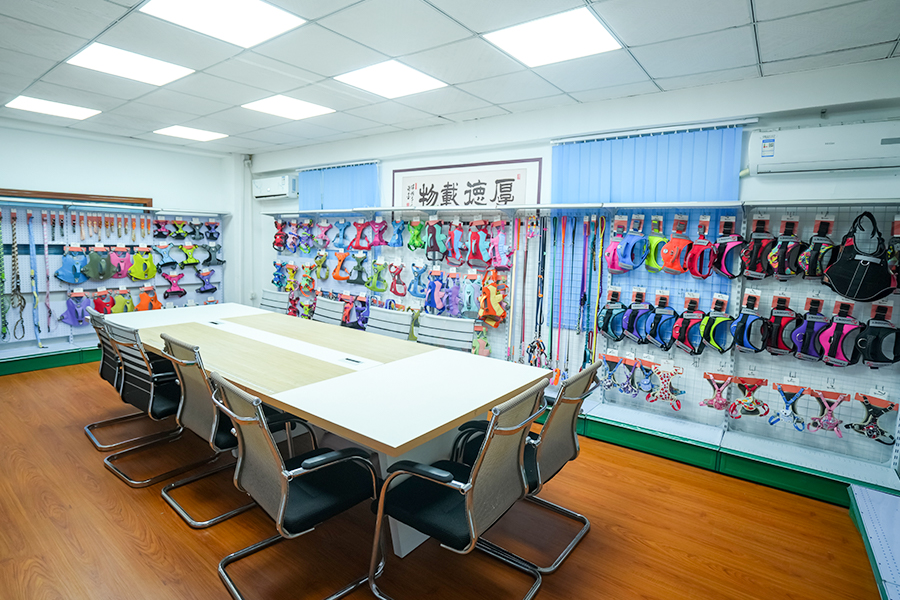
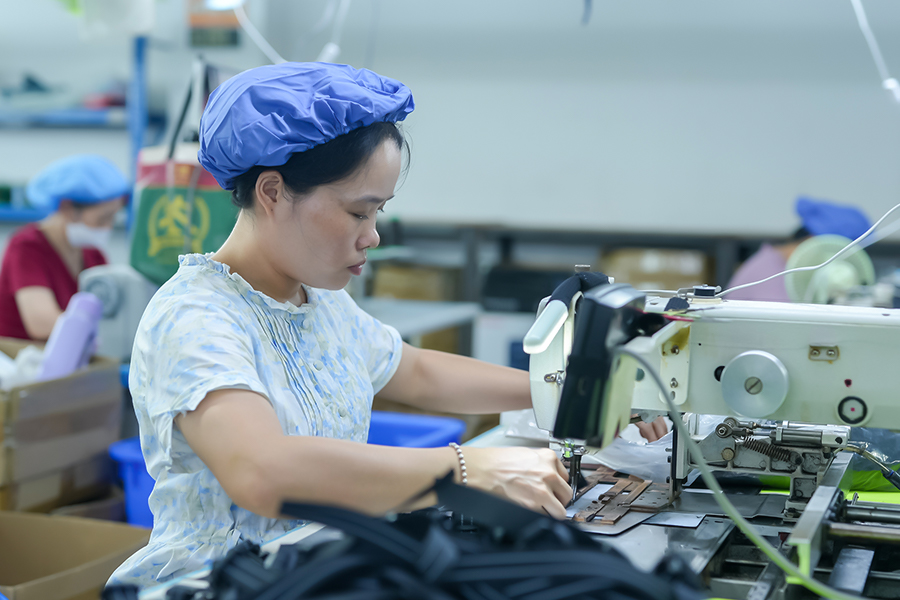
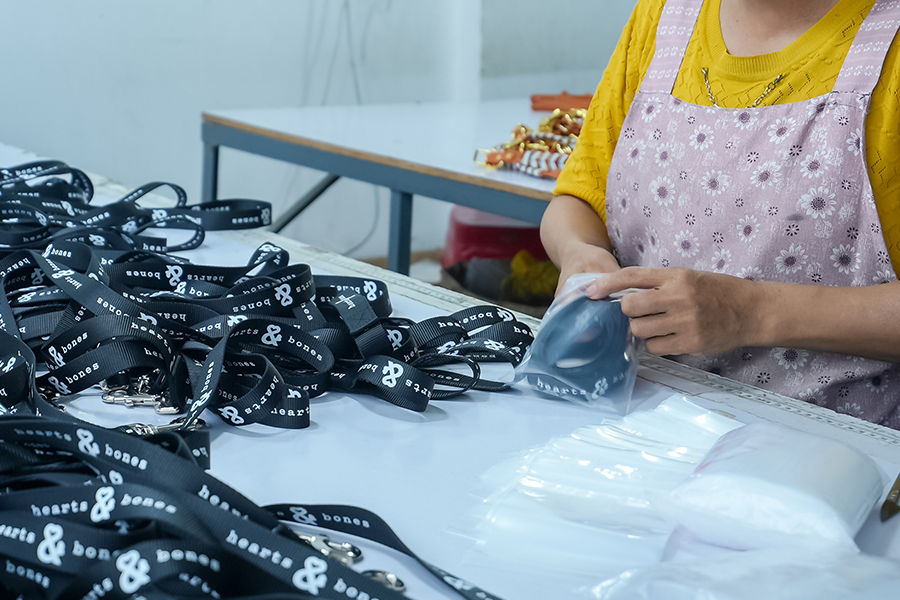
Zhangjiagang Kingtale International Co., Ltd. focuses on designing and exporting innovative pet products, thanks to its comprehensive and vertically integrated structure. With process capabilities spanning injection molding, blow molding, hardware production, textile solutions, and smart electronics integration, Kingtale supports full-category coverage. This structure enables rapid design iteration, stable batch consistency, and flexible customization across collars, toys, cleaning products, and various pet apparel categories.
Their advantages align closely with key industry expectations:
This integrated approach aligns with the industry’s progression toward leaner workflows, higher product stability, and wider design possibilities.
Customization has become a defining characteristic of the modern fashion pet clothes segment. As pet owners increasingly demand garments that reflect individuality, companies with flexible design and manufacturing capabilities have an advantage.
Custom patterning, logo placement, tailored sizing, eco-material substitution, and function-specific modifications all contribute to consumer engagement. This applies both to mass-market collections and specialized offerings such as holiday wear, weather-specific garments, or performance-inspired apparel. With experienced R&D support and advanced laboratory resources, companies like Kingtale offer OEM and ODM services that provide unique product solutions and accommodate niche market requirements.
These capabilities enable brands to respond to emerging micro-trends quickly while maintaining consistent quality, reinforcing customization as both an aesthetic and functional value proposition.
The future of pet apparel lies in harmonizing technical performance with expressive design. Leading developments point toward garments that merge breathable construction, adaptive fits, and sustainable materials with fashion-forward styling. As more pet owners prioritize health, comfort, and psychological well-being for their animals, the market will increasingly reward brands that deliver balanced reliability and visual appeal.
Moreover, the rise of eco-conscious consumerism encourages manufacturers to explore recyclable fibers, low-impact dyes, and waste-reduction design strategies. These shifts position fashion pet clothes not merely as accessories, but as responsible products contributing to broader sustainability frameworks.
The evolution of modern pet wear is defined by its ability to reconcile function, comfort, and aesthetics into a unified design philosophy. Through advances in material science, ergonomic tailoring, and integrated manufacturing, fashion pet clothes continue to mature into a technically sophisticated category. At the same time, the demand for individuality, visual expression, and premium craftsmanship fuels ongoing aesthetic innovation.
Zhangjiagang Kingtale International Trading Co., Ltd. demonstrates how vertically integrated operations, quality assurance, and flexible customization can support the rapid growth of pet clothing and related accessories.
As the global market continues to grow, the most competitive products will be those that seamlessly integrate performance-driven design with expressive, comfort-focused aesthetics—offering pets both protection and style while delivering meaningful value to their owners.