English
 Español
Don't hesitate to send a message
As an essential tool for dog owners, the dog chain's advantages mainly lie in safety, func...
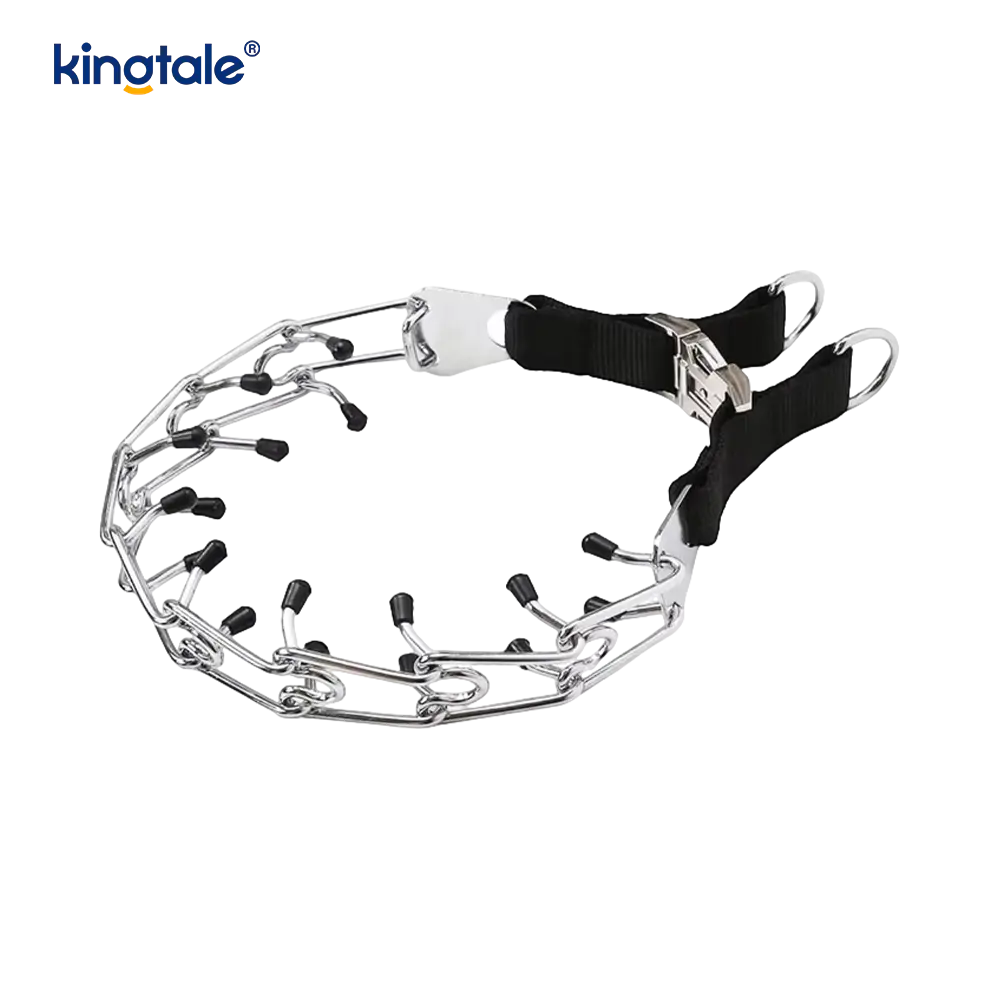
As an essential tool for dog owners, the dog chain's advantages mainly lie in safety, func...
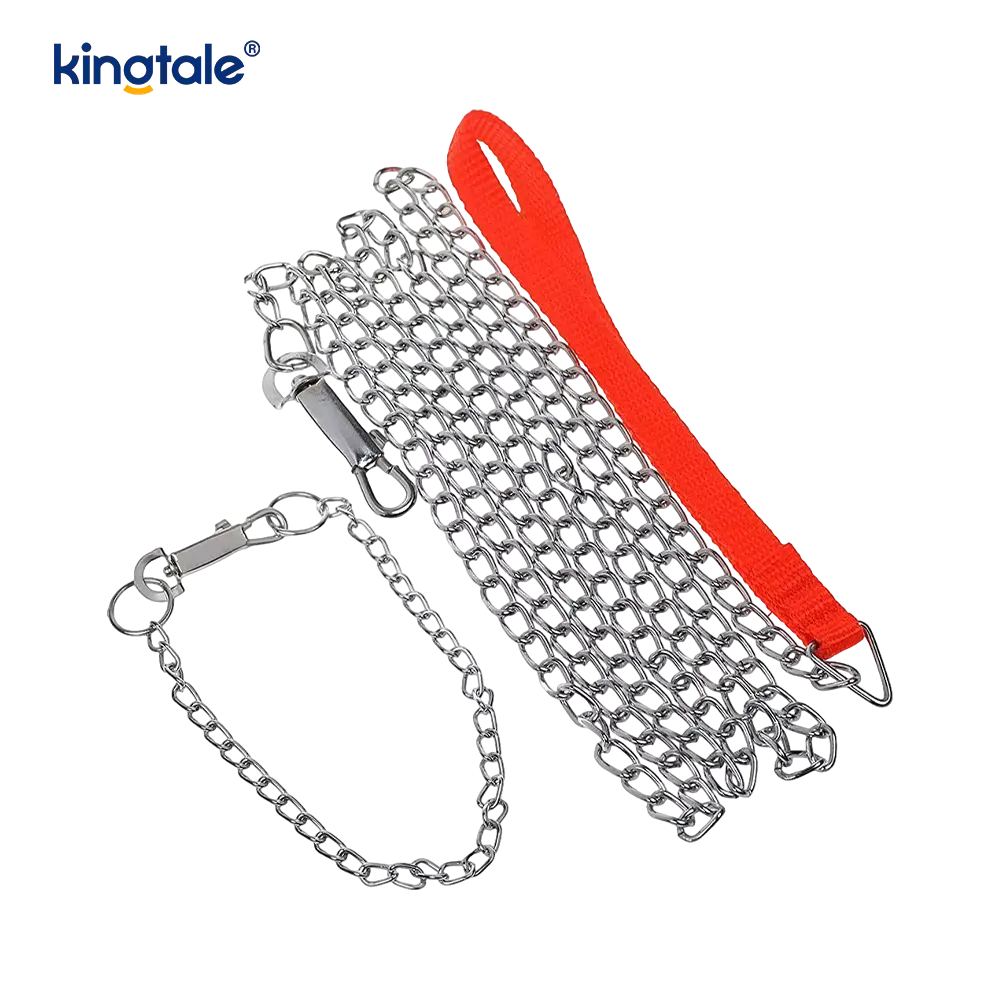
Dog chain can effectively restrict the dog's range of movement, preventing them from rushi...
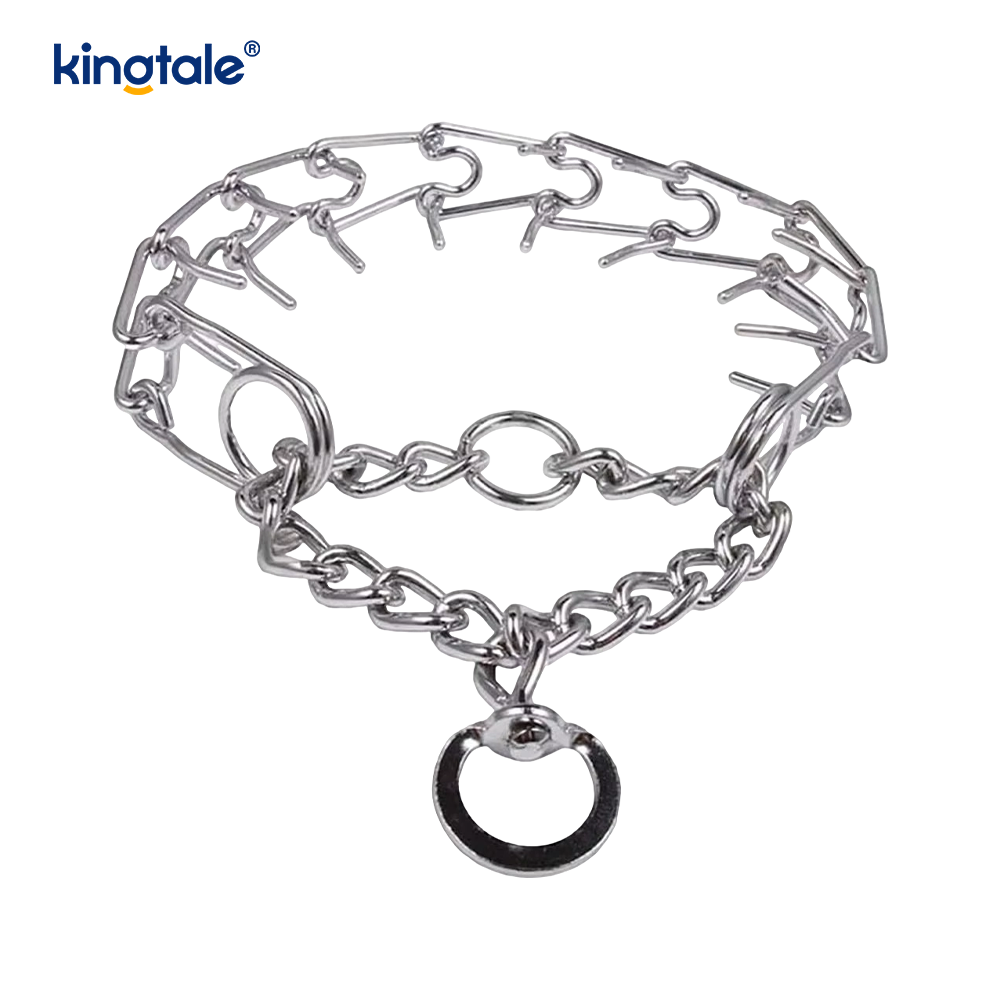
Dog chain is a tool used to establish a controllable connection between humans and dogs by...
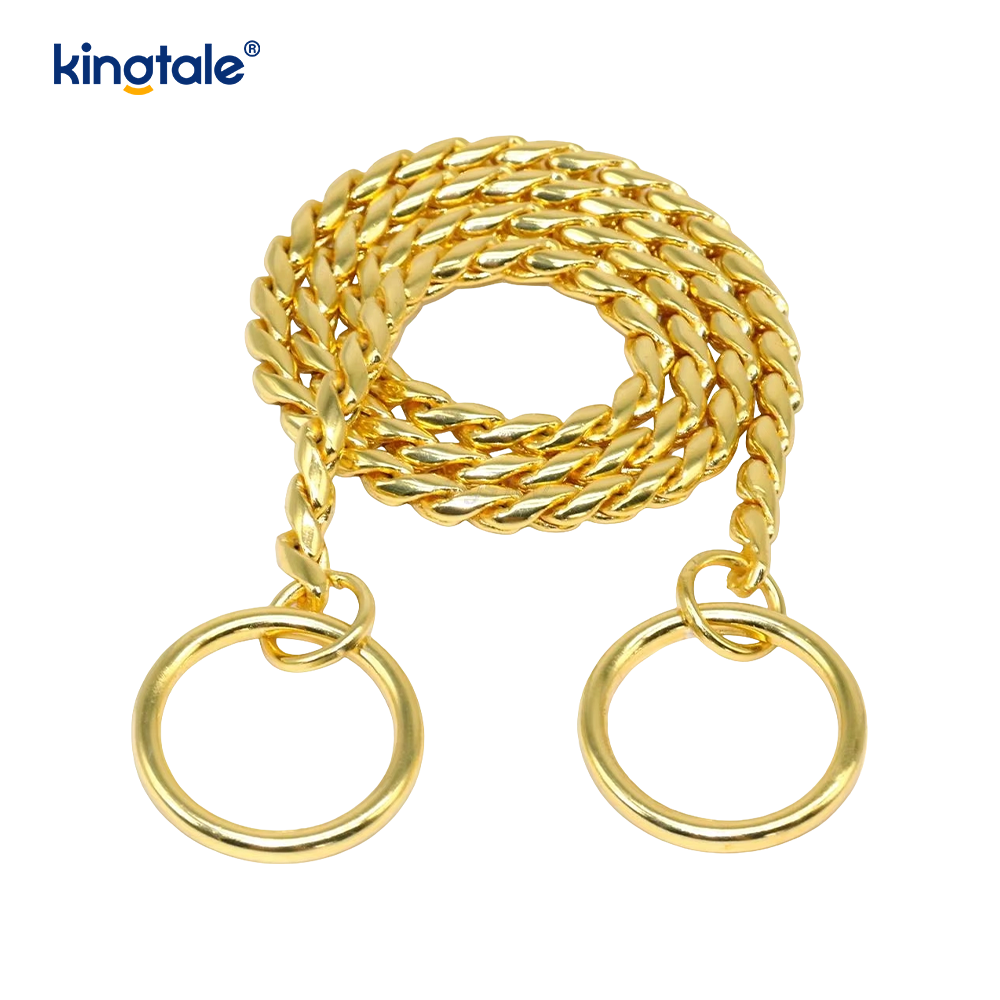
Pet chain, wrapped around the dog's head to form a "P" shape. When used correctly, it can ...
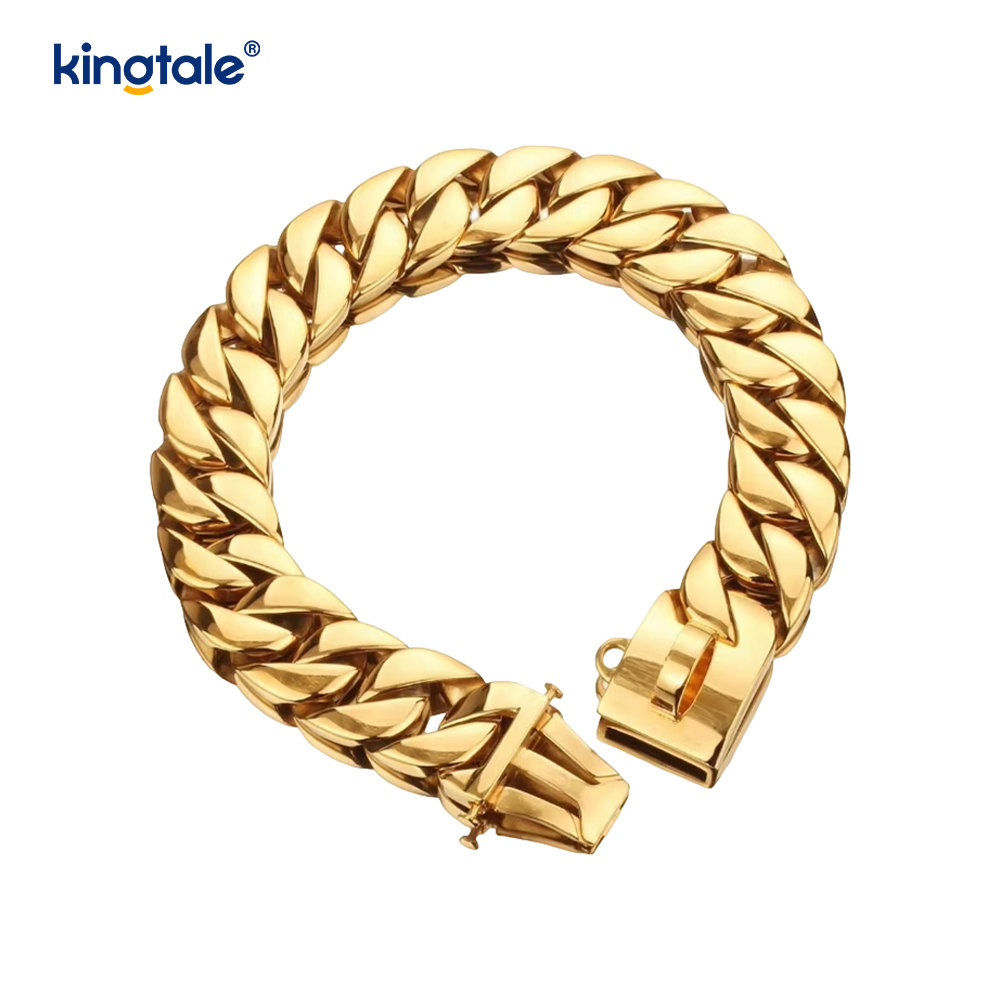
Rust-resistant and durable, available in various thicknesses from 2mm to 16mm, sturdy weld...






For professional procurement managers and specialized retailers, the durability of a product is not just a consumer preference—它 is a critical factor in supply chain efficiency and brand reputation. When sourcing Durable Pet Toys, understanding the intersection of material science, mechanical design, and animal behavio...
READ MOREIntroduction Choosing the right Pet Harnesses is not only a matter of convenience but a critical decision that directly affects animal safety, biomechanics, and long-term comfort. For B2B buyers, importers, and distributors, understanding the structural and functional differences between step-in and over-head harnesses...
READ MORESelecting the appropriate Pet Leash is a critical decision that transcends mere aesthetics; it involves analyzing mechanical load capacities, material tensile strength, and ergonomic efficiency suitable for specific canine activities. For B2B procurement managers and wholesale distributors, understanding the technical ...
READ MOREA metal dog chain is only as strong as its weakest component, and the clasp serves as the primary connector that endures direct tension during movement, pulling, and sudden force. The clasp must maintain structural integrity under dynamic loads, environmental exposure, and frequent repetitive actions. A well-designed clasp prevents accidental release, ensures a stable attachment point, and supports long-term reliability.
A secure clasp provides several essential protections:
Each clasp type differs in locking mechanisms, material composition, and fatigue resistance, which affect performance on a metal dog chain.
Different clasp structures influence usability, safety, and durability. Buyers and product developers often compare designs using search terms like strong chain clasp, secure dog leash buckle, or anti-release metal dog chain fastener. The most widely used clasp types include bolt snaps, trigger snaps, carabiner-style locks, swivel snaps, and quick-release buckles. Each option meets different functional expectations.
The bolt snap is one of the most common fastener types used with a metal dog chain. It features a spring-loaded knob that opens when pushed and closes automatically upon release. Its advantages include predictable locking behavior, ease of use, and suitability for dogs with moderate pulling strength.
However, the internal spring can become compressed or worn over time. If exposed constantly to mud, sand, or moisture, bolt snaps may become less responsive, reducing their security level.
The trigger snap uses a lever mechanism that creates a deeper, more secure closure. It requires deliberate pressure to open, meaning accidental release is less likely. Many buyers looking for heavy-duty performance use search terms like trigger snap metal dog chain or secure locking clasp for strong dogs.
Trigger snaps provide higher stability than bolt snaps, and their reinforced hinge structure offers durability. This makes them ideal for medium to large dogs.
A carabiner clasp integrates a screw-gate or auto-locking mechanism similar to climbing gear. It offers one of the most secure closures available for a metal dog chain because the gate remains locked during use and cannot open without intentional force.
This clasp type is commonly selected for powerful dogs or demanding conditions. Its locking feature ensures high security, making it a preferred choice for buyers searching for maximum-security metal dog chain clasp or locking dog chain buckle.
A swivel snap reduces tangling by rotating freely as the dog moves. Although it improves comfort during walks, the clasp’s security level depends largely on its hinge design and precision manufacturing. High-quality swivel snaps perform reliably, but lower-grade versions may loosen over time.
Quick-release buckles are designed for convenience rather than maximum load capacity. While they are efficient for everyday use, they may not withstand extreme pulling force. They work well for small breeds or indoor use, but are generally not recommended for high-security metal dog chain applications.
Evaluating clasp security requires a structured understanding of several important performance factors. Manufacturers and buyers frequently assess stability, locking strength, corrosion resistance, fatigue life, and real-world usability.
Locking strength depends on how the clasp mechanism secures the gate. Carabiner-style locking clasps perform exceptionally well because the locking sleeve prevents gate movement. Trigger snaps offer a strong mechanical lock, while bolt snaps depend heavily on spring integrity.
Strong, repeated pulling can deform lower-grade clasps. Forged or precision-machined clasp components provide greater resistance to warping. Carabiners with locking mechanisms and heavy-duty trigger snaps generally offer the most reliable resistance to force.
Dog movement includes twisting, spinning, and sudden directional changes. The clasp must prevent unintended gaps or gate openings.
Outdoor conditions create challenges such as moisture, dust, UV exposure, and temperature variation. This is particularly relevant for buyers searching rust-resistant metal dog chain clasp or weather-proof chain buckle.
Stainless steel, zinc alloy with high-quality plating, and aluminum alloy (for specific applications) maintain surface performance. The clasp design must also minimize moisture traps.
A secure clasp must also be manageable for the user. Carabiner-style clasps require an additional step to lock, providing outstanding security but slightly slower handling. Bolt snaps and trigger snaps offer quicker attachment.
| Clasp Type | Security Level | Resistance to Accidental Opening | Durability Under High Force | Ease of Use | Suitable Applications |
|---|---|---|---|---|---|
| Bolt Snap | Moderate | Medium | Medium | Easy | Everyday use, small to medium dogs |
| Trigger Snap | High | High | High | Moderate | Medium to large dogs |
| Carabiner-Style Lock | Very High | Very High | Very High | Moderate | Strong pullers, outdoor and active use |
| Swivel Snap | Medium | Medium | Medium to High | Easy | Everyday use, tangle-free walking |
| Quick-Release Buckle | Low to Medium | Low | Low | Very Easy | Indoor use, small dogs |
Wholesalers, importers, and private-label pet brands increasingly emphasize clasp security due to rising consumer expectations for reliability. Search terms such as reinforced metal dog chain clasp, premium dog chain buckle, and secure dog training chain reflect strong demand for dependable fastening mechanisms.
A secure clasp contributes to:
High-quality clasp production requires precision engineering, stable material sourcing, and controlled manufacturing environments.
Secure clasp performance depends significantly on how the manufacturer designs, tests, and assembles the components. Companies with strong R&D capability, advanced testing laboratories, and modern production lines can consistently produce stable and reliable clasps for metal dog chain products.
Manufacturers who integrate metalworking, testing, and quality control can ensure:
Well-organized production systems help maintain long-term reliability, reducing weak points that could affect clasp performance.
Buyers evaluating metal dog chain products often consider several key criteria:
For buyers researching options using terms like safe clasp for metal dog chain, selecting a clasp with a proven locking mechanism, tested material quality, and precise construction ensures better performance.
Among multiple clasp types available, the carabiner-style locking clasp offers the highest level of security for a metal dog chain due to its dependable locking mechanism, strong resistance to force, and performance under varied environmental conditions. The trigger snap also provides excellent security and is a reliable alternative when ease of use and strength must be balanced.