English
 Español
Don't hesitate to send a message
Sports Harness for pets is designed specifically for high-intensity activities, integratin...
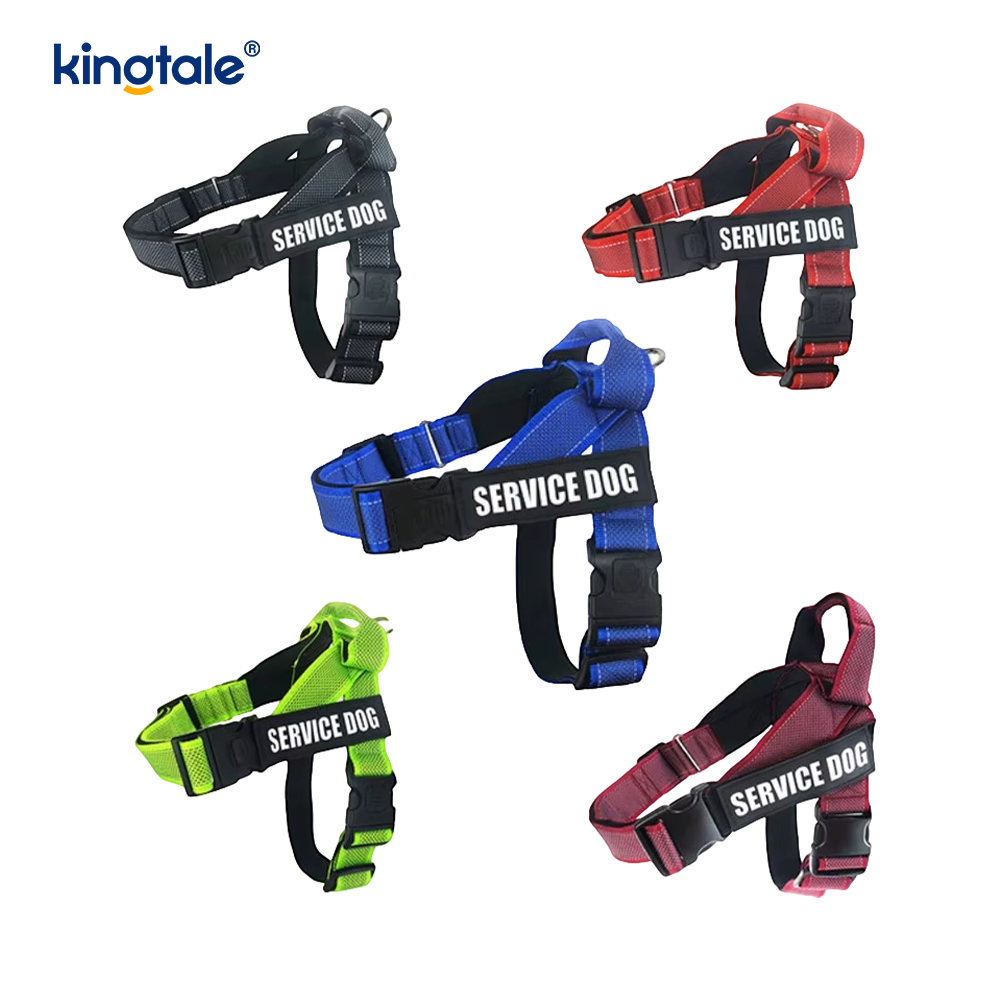
Sports Harness for pets is designed specifically for high-intensity activities, integratin...
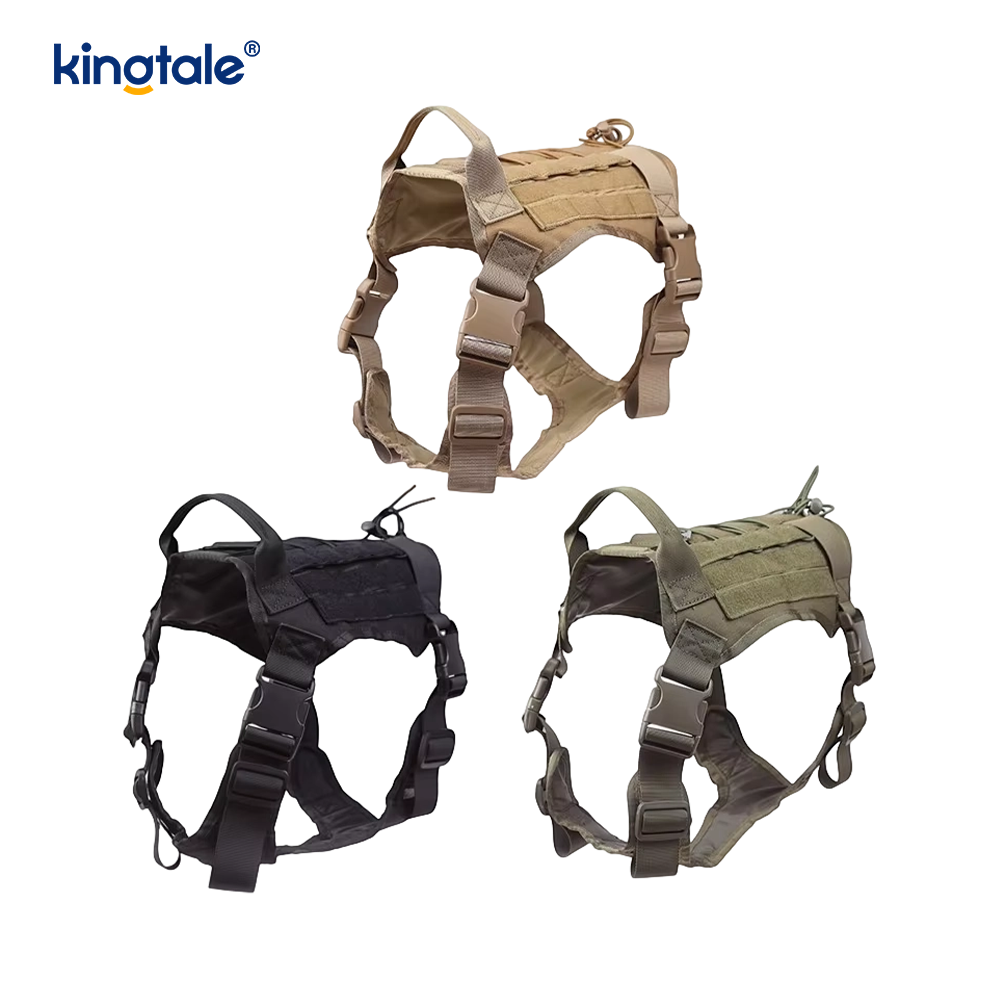
Pet Harness is a functional wearable system that uses mechanical reconstruction to protect...
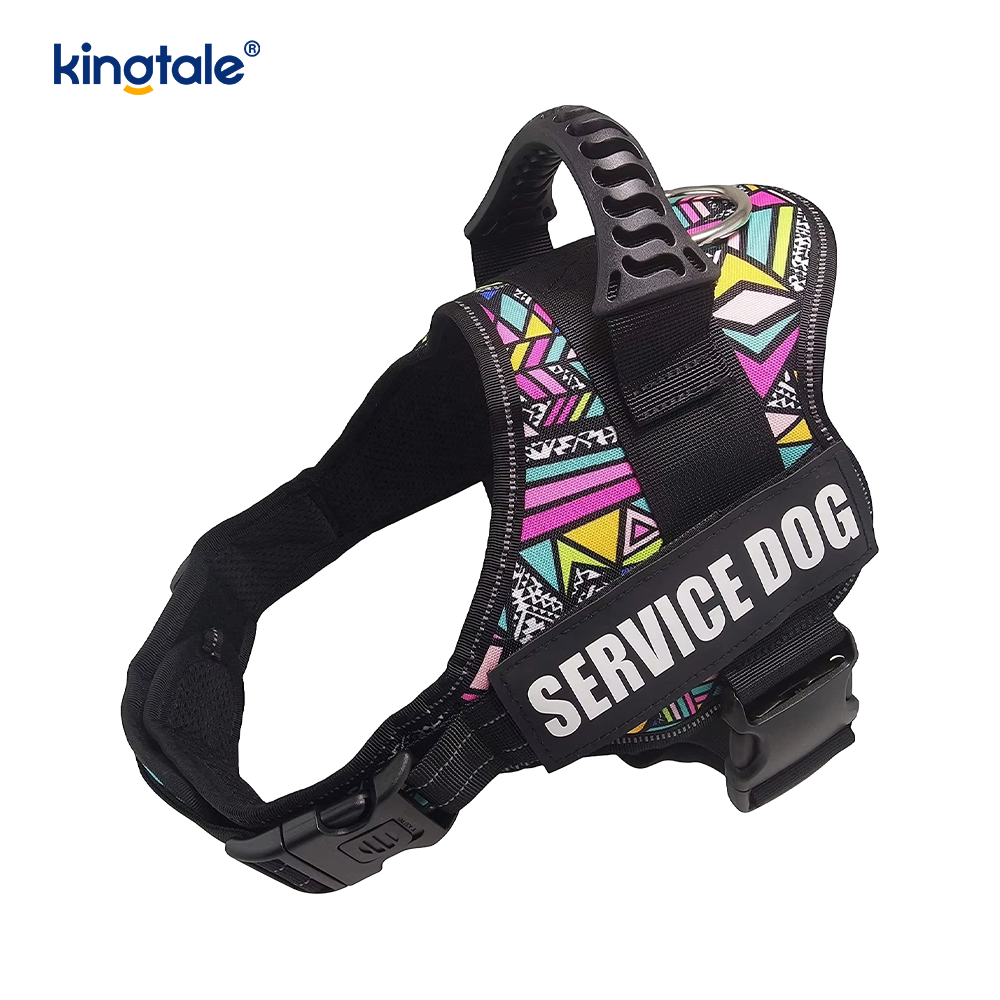
Pet harness is a safety equipment worn on the trunk of pets, mainly used to replace tradit...
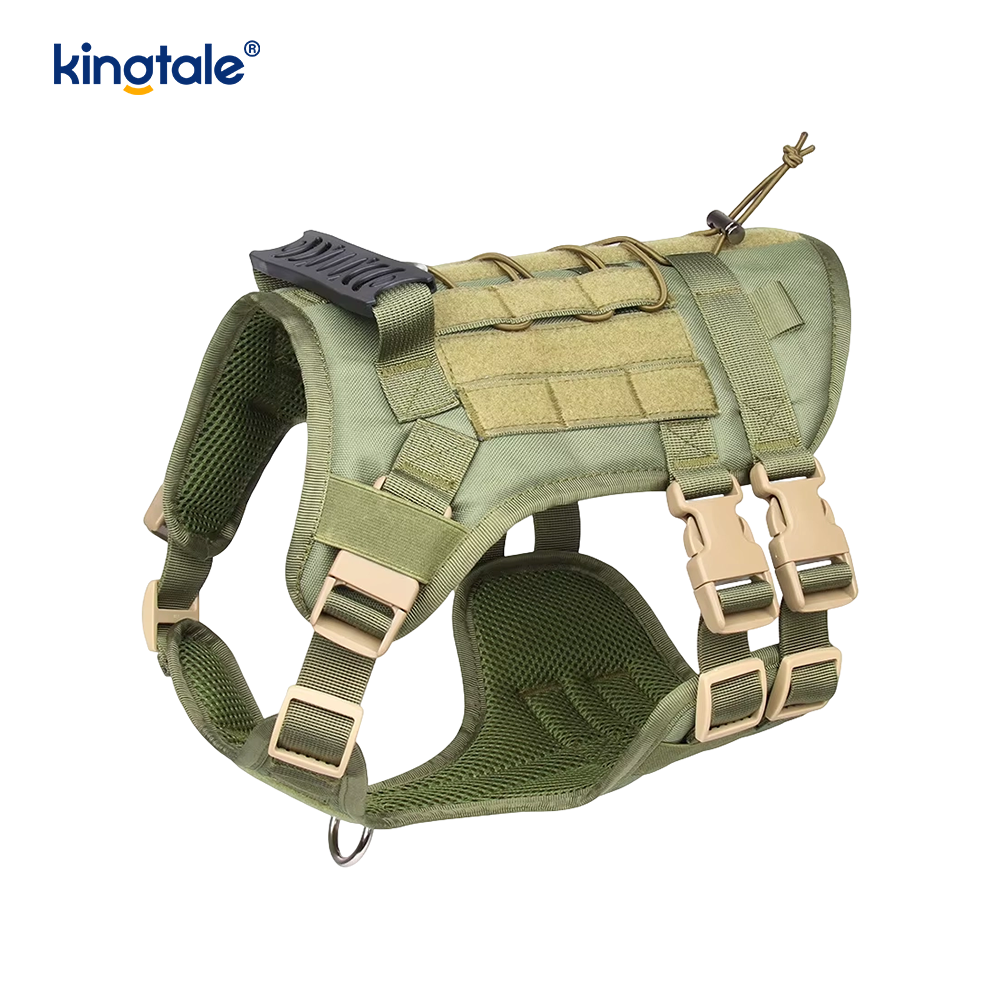
Pet harness is a strap used for pets, mainly for daily management, such as pulling and con...
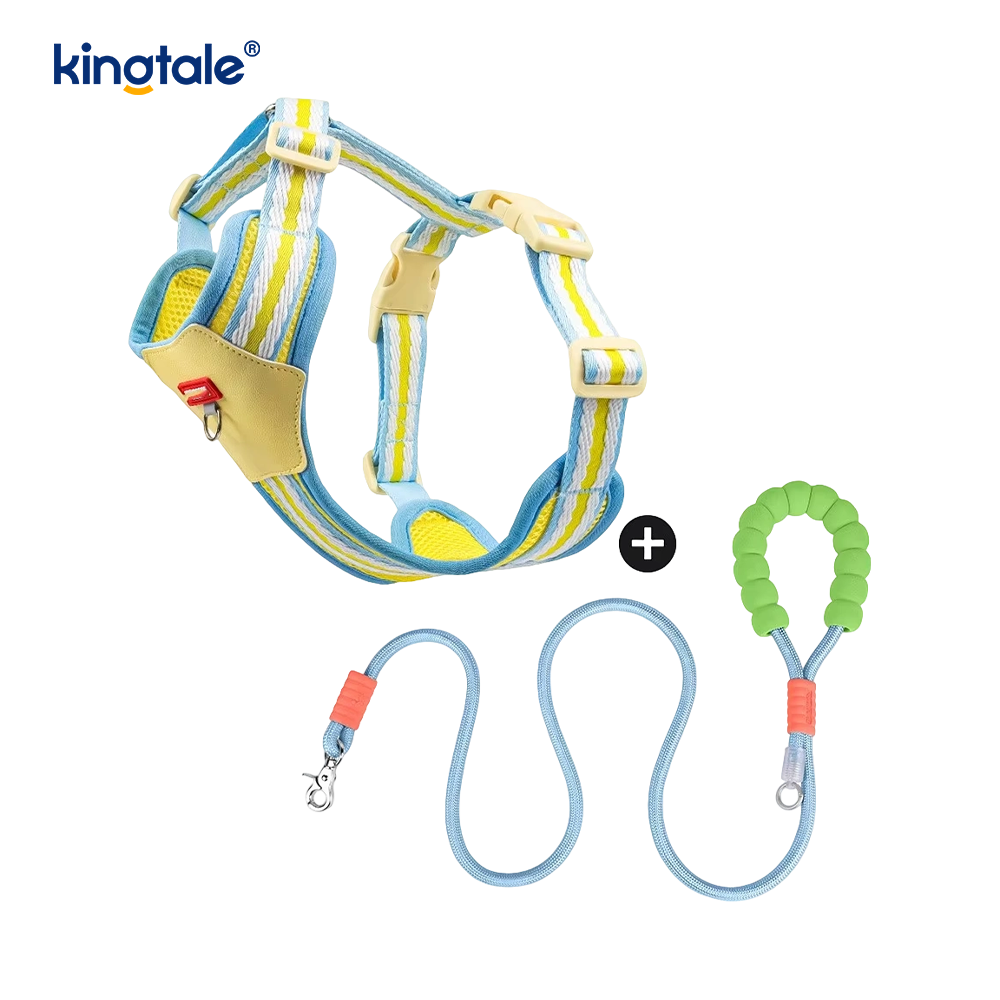
The dual D-ring control system, with the front chest D-ring connected to the traction rope...

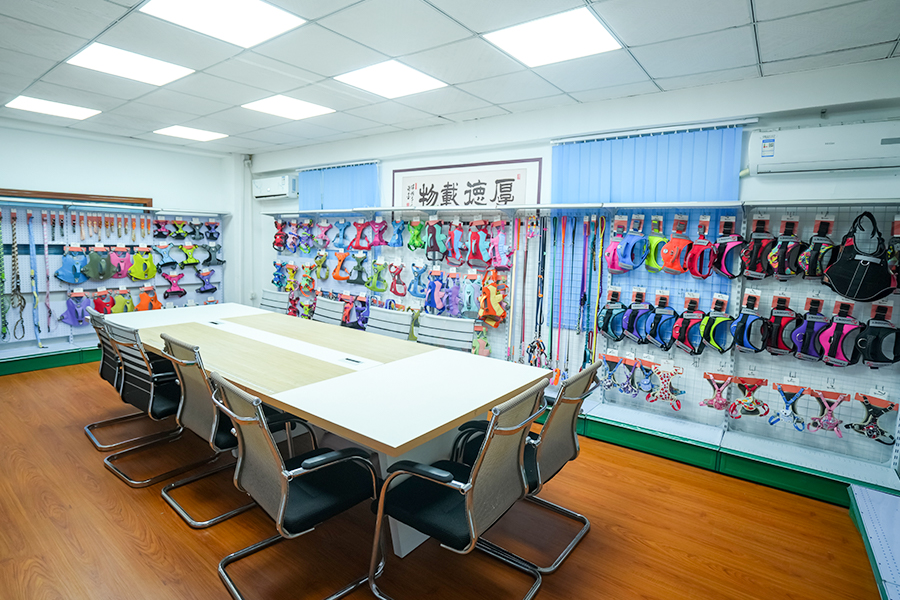
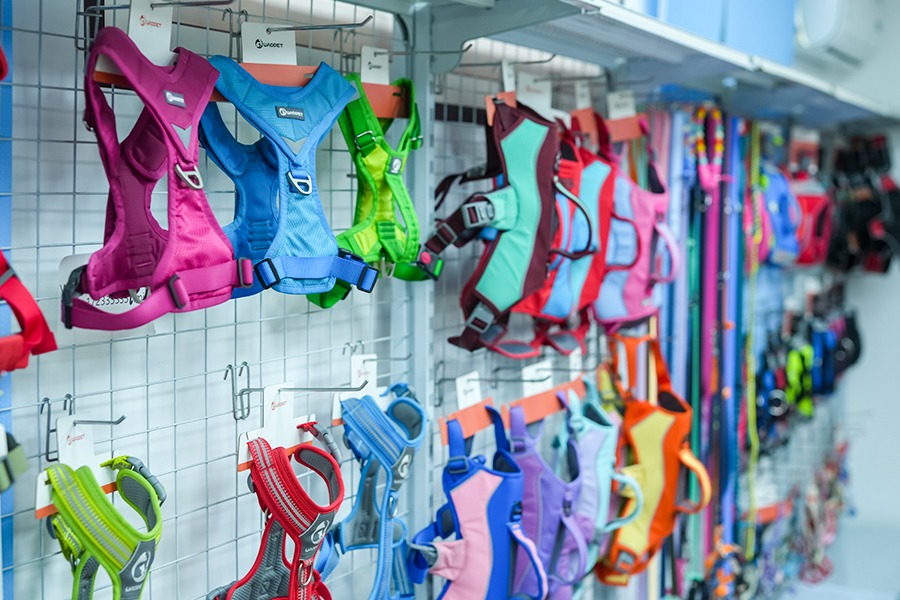
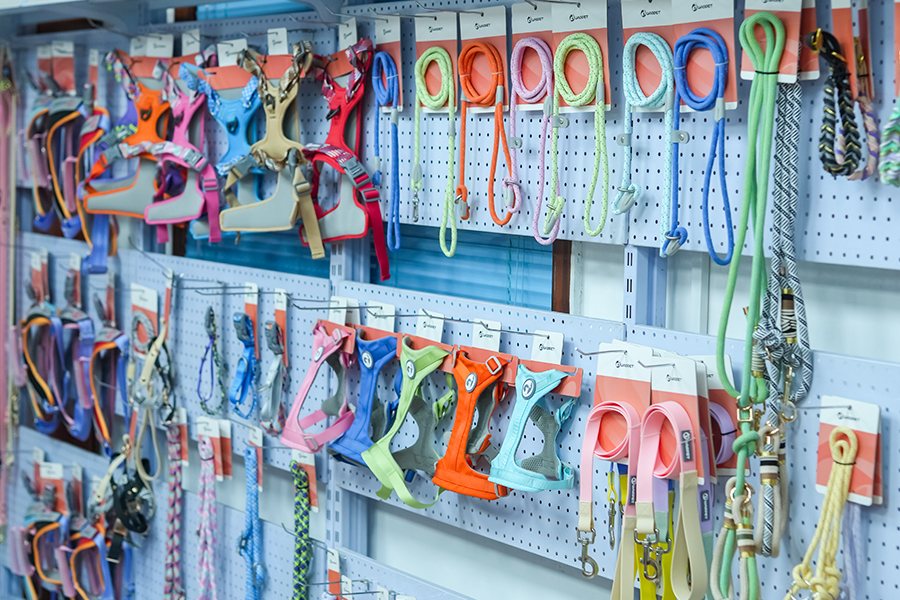

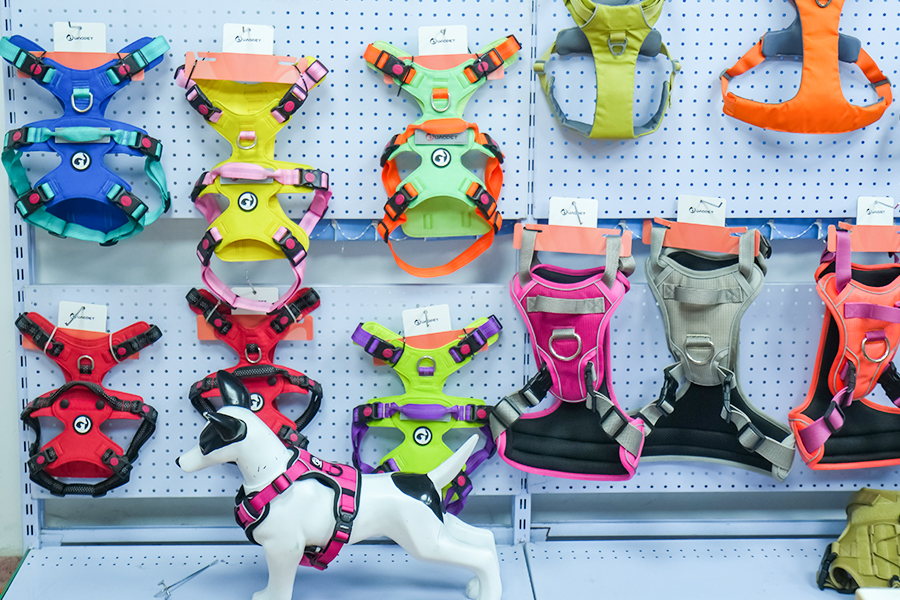




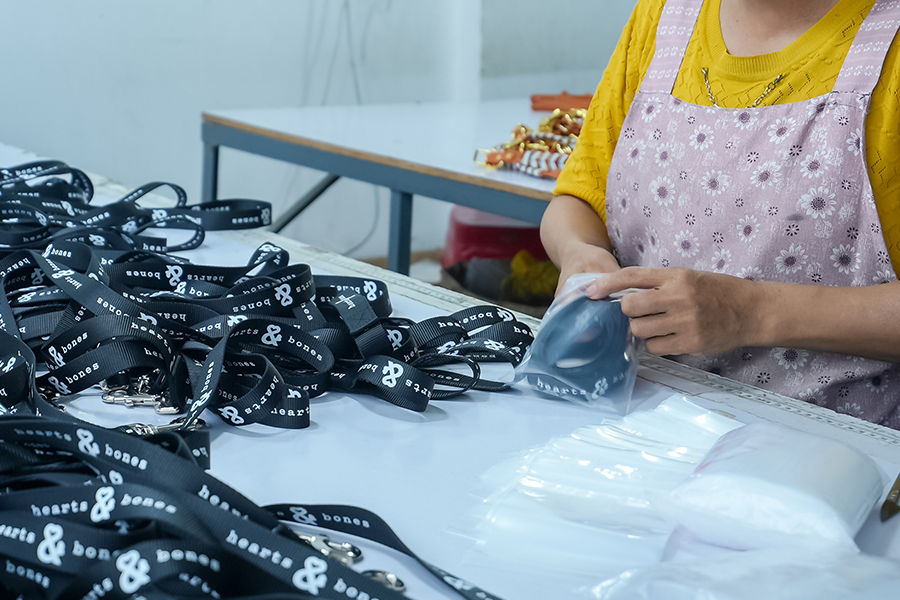


For professional procurement managers and specialized retailers, the durability of a product is not just a consumer preference—它 is a critical factor in supply chain efficiency and brand reputation. When sourcing Durable Pet Toys, understanding the intersection of material science, mechanical design, and animal behavio...
READ MOREIntroduction Choosing the right Pet Harnesses is not only a matter of convenience but a critical decision that directly affects animal safety, biomechanics, and long-term comfort. For B2B buyers, importers, and distributors, understanding the structural and functional differences between step-in and over-head harnesses...
READ MORESelecting the appropriate Pet Leash is a critical decision that transcends mere aesthetics; it involves analyzing mechanical load capacities, material tensile strength, and ergonomic efficiency suitable for specific canine activities. For B2B procurement managers and wholesale distributors, understanding the technical ...
READ MOREA pet harness is designed to offer controlled guidance, improved load distribution, and greater comfort than a traditional collar. As the market grows, buyers increasingly seek products that balance durability with ergonomic design. Among all structural components, the inner lining is one of the most important for ensuring long-term wearability and preventing skin irritation. Within this lining, breathable padding plays a critical role in reducing friction, stabilizing pressure, and improving airflow.
Understanding the engineering and functional value of breathable padding helps both consumers and industry professionals evaluate product quality more effectively. This mechanism relies on material softness, micro-ventilation, contour adaptability, and controlled surface behavior. These elements collectively minimize the rubbing motion between the harness interior and the pet’s skin, which is especially important for active pets and breeds with short fur.
Before discussing the technical mechanisms of breathable padding, it is necessary to explore how advanced manufacturing systems ensure consistency in the quality of a pet harness. In this context, Zhangjiagang Kingtale International Co., Ltd. brings extensive experience in designing and exporting innovative pet accessories. Kingtale emphasizes safety, comfort, sustainability, and customizable production while maintaining strong R&D capacity, rigorous quality control, and responsive OEM solutions. Their capabilities include concept design, advanced molding, textile processing, and integration of modern aesthetics. With ISO-certified processes and ESG-aligned manufacturing standards, they deliver consistent, ethically produced pet products.
Friction inside a pet harness naturally occurs when the pet moves. Running, turning, pulling, or even small posture adjustments create a sliding effect between the harness material and the skin or fur. This can result in redness, hair loss, or a rise in body heat due to restricted ventilation. These issues are especially common in stiff fabrics or when the harness fits too tightly. Breathable padding works to counter these effects by offering a controlled contact surface with improved airflow and flexible structural behavior.
The inner lining is the first point of contact between the harness and the body. When it incorporates padding, it adds an intermediate layer that absorbs movement, reduces direct rubbing, and prevents localized pressure. Breathability enhances these effects by allowing airflow to pass through micro-channels, enabling moisture evaporation and maintaining a balanced surface temperature. This combination creates an environment less susceptible to irritation. For highly active pets, buyers often search for products using terms like soft mesh dog harness or anti-irritation pet harness, highlighting the importance of comfortable lining design.
Breathable padding in a pet harness is typically produced using structured materials such as air-mesh fabrics, perforated foam, or multilayer woven blends. These materials are developed to provide cushioning without trapping heat. Their open-cell structures allow consistent air circulation, helping distribute both temperature and frictional pressure evenly.
The design of breathable padding relies on fiber arrangement, thickness, and resilience. Materials with adequate rebound are able to maintain shape when compressed, preventing the inner lining from collapsing flat against the body. This stability creates a micro-buffer space that limits friction. Additionally, smooth fiber surfaces reduce drag, supporting long-term comfort. When buyers seek performance-oriented accessories, they frequently use technical search terms such as dog harness breathable mesh or pet harness with padded lining, reflecting growing interest in textile innovation.
One of the primary purposes of breathable padding is to disperse pressure across a wider surface area. When a pet pulls or changes direction, tension gathers at specific points. Without padding, this tension translates directly to skin contact, increasing friction. Breathable padding acts as a stabilizing element, smoothing sudden pressure peaks and lowering the intensity of rubbing motions. This is especially beneficial in chest and underarm regions, where movement is frequent.
Temperature plays a key role in friction generation. Warmer surfaces tend to produce more moisture and create stickier contact points. Breathable padding reduces this effect through airflow channels that allow heat dissipation. When air circulates through the inner lining, moisture evaporates more efficiently, preventing hot spots and maintaining dry contact. Functions like these are essential in humid climates, making them a common priority in buyer inquiries such as best dog harness for hot weather.
The softness of breathable padding directly affects the level of drag produced during movement. A smooth, cushioned surface glides more easily over fur. As a result, the material does not grip the skin or hair excessively, minimizing friction. The consistent texture provided by advanced padding techniques enhances day-long comfort, even for pets with sensitive skin or minimal fur coverage.
In most pet harness designs, the chest panel is the main load-bearing component. Breathable padding ensures that tension from pulling does not concentrate sharply at the sternum. Instead, the cushioned layer distributes tension evenly, improving stability and reducing friction during forward movement. A well-padded chest plate can prevent chest abrasions, particularly in strong or energetic dogs.
Under-belly straps and side panels frequently come into contact with skin folds or areas with thin fur. These zones naturally experience higher friction levels, especially when the pet runs or climbs. Breathable padding minimizes chafing by absorbing movement shock and maintaining a controlled sliding surface. Many pet owners searching for solutions to irritation issues use terms like no-choke dog harness or comfortable pet harness for daily walks, emphasizing the importance of comfort in these areas.
Active pets generate substantial movement in shoulder and back regions, which increases friction risk. Incorporating breathable padding in these areas improves articulation and supports natural posture. The flexibility of the padding helps maintain alignment without restricting shoulder rotation, making it a preferred feature among owners of athletic or working dogs.
When padding adapts to the pet’s body shape, it minimizes unnecessary movement of the harness itself. This reduces the repeated rubbing that causes skin irritation. A well-fitted and padded pet harness ensures that pets can walk, run, and rest without discomfort, providing balanced support across various activity levels.
Repeated friction can lead to hair thinning, hot spots, or minor abrasions. Breathable padding mitigates these risks through its combination of cushioning and ventilation. Its ability to maintain a dry surface prevents sweat buildup, which further lowers irritation potential. These benefits make breathable padding an essential factor for buyers searching for dog harness for sensitive skin.
The following table summarizes differences in commonly used breathable padding materials:
| Padding Material | Breathability | Softness | Durability | Friction Reduction | Typical Use Case |
|---|---|---|---|---|---|
| Air-mesh fabric | High | Medium | High | Excellent | Everyday pet harness |
| Perforated foam | Medium | High | Medium | Very good | High-comfort padded harness |
| Woven multilayer blends | Medium | High | High | Very good | Heavy-duty or outdoor harness |
Breathable padding must be positioned strategically to match pressure zones. Manufacturers use pattern shaping techniques that allow the padding to follow anatomical curves. This ensures that the pet harness remains stable during movement without creating new friction points.
Modern manufacturing processes blend textile engineering with ergonomic analysis. Layer bonding, stitching reinforcement, and panel positioning create a cohesive structure that limits internal friction. These controlled processes ensure consistent performance across large production batches.
Quality control systems verify padding density, breathability, stitching strength, and lining smoothness. Manufacturers with advanced inspection frameworks ensure that each pet harness meets safety and performance expectations. Buyers with industry knowledge frequently search for terms like OEM dog harness supplier or high-quality pet harness manufacturer, reflecting demand for consistency.
As consumer expectations rise, brands differentiate their products by optimizing lining comfort. Breathable padding is one of the most visible features because it directly influences the pet’s experience. Custom textures, layered meshes, and proprietary padding blends are becoming common brand identifiers.
Lightweight padding reduces bulk while maintaining support, appealing to buyers seeking flexible harnesses suitable for extended use. Many search terms reflect this preference, such as lightweight dog harness, highlighting the demand for breathable comfort.
The industry is shifting toward environmentally conscious materials. Plant-based fibers, recycled mesh fabrics, and low-impact padding technologies are becoming popular options for manufacturers aiming to reduce environmental footprint. These changes align with global trends toward eco-responsible pet accessories.
Breathable padding plays a fundamental role in reducing friction in the inner lining of a pet harness, supporting comfort, airflow, and stable contact during movement. By minimizing abrasion, regulating temperature, and distributing pressure, it enhances daily usability and long-term wearability. As the industry continues to advance, breathable padding remains a key element in ergonomic design, influencing both consumer expectations and manufacturing standards. This technology supports the creation of pet-friendly products that prioritize safe, comfortable, and reliable performance across a wide range of applications.