English
 Español
Don't hesitate to send a message
Pet leash is made of sturdy plastic material, with a very sturdy shell that is not easily ...
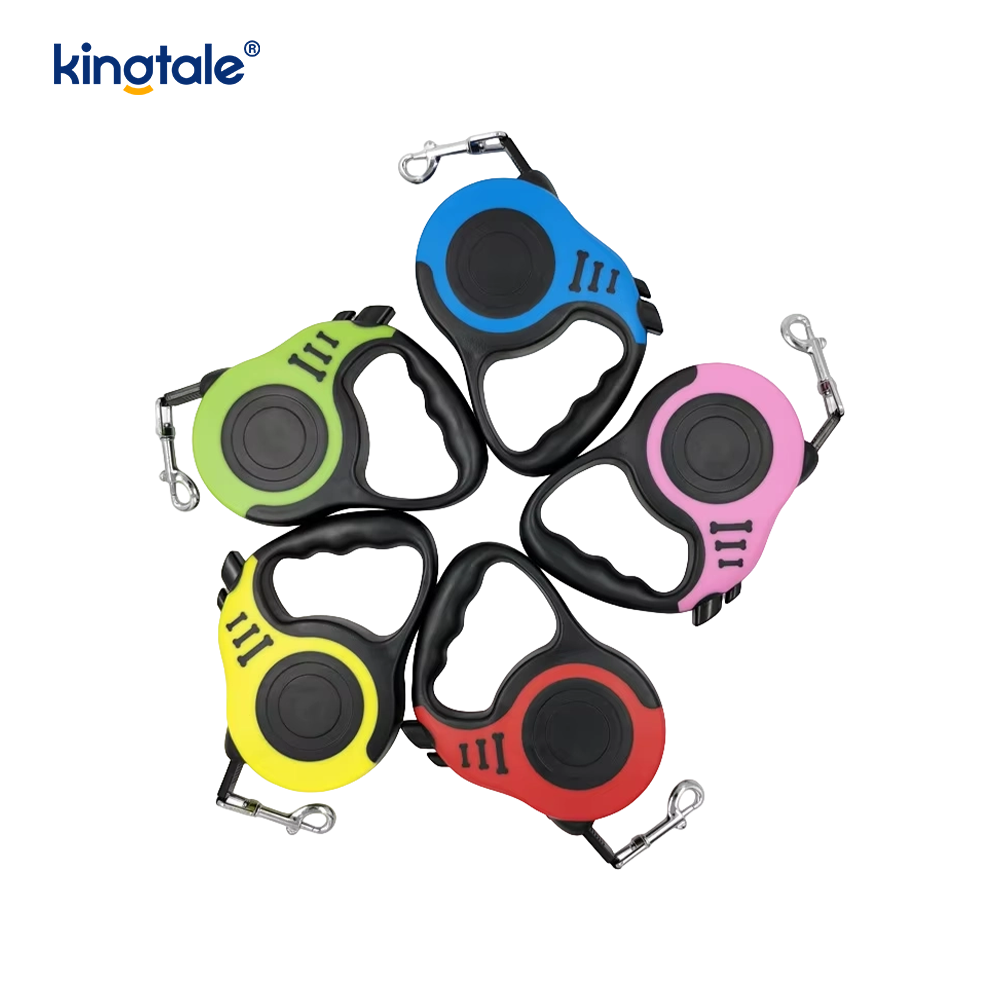
Pet leash is made of sturdy plastic material, with a very sturdy shell that is not easily ...
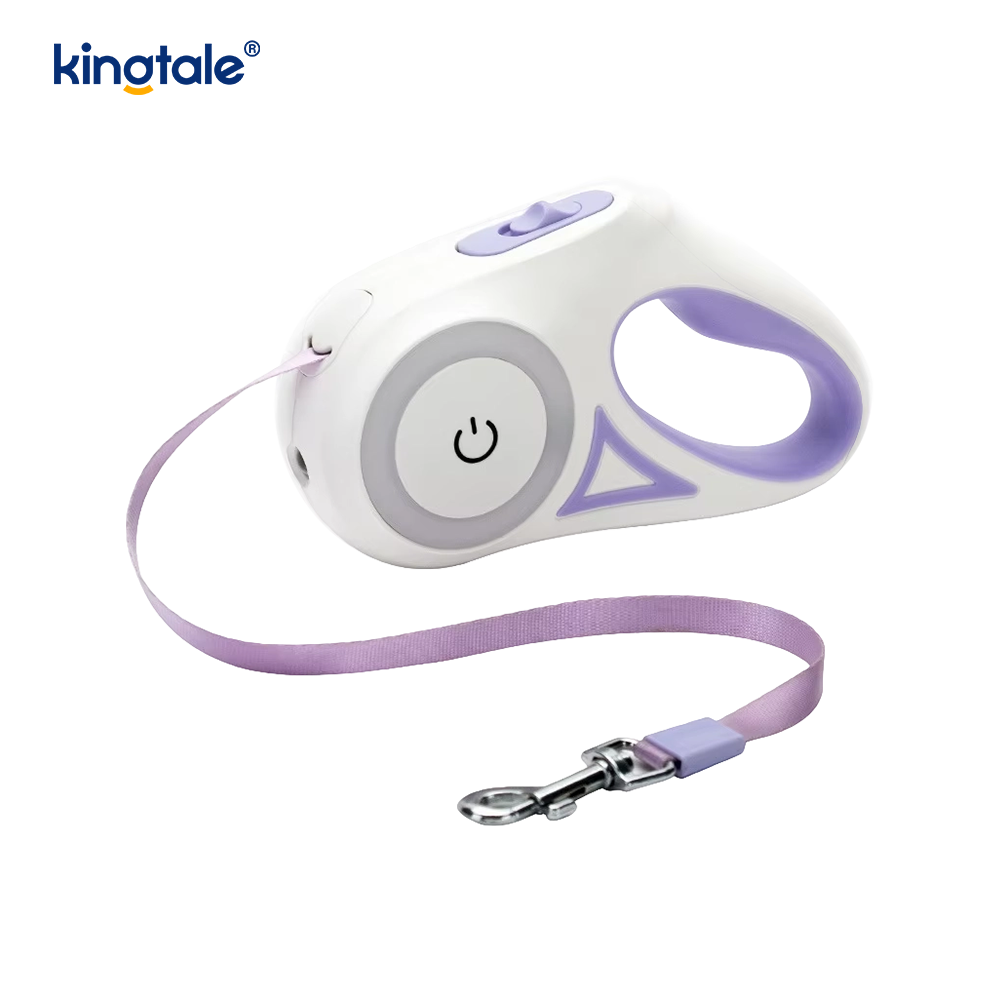
The retractable pet leash is more convenient than traditional traction ropes because it ca...
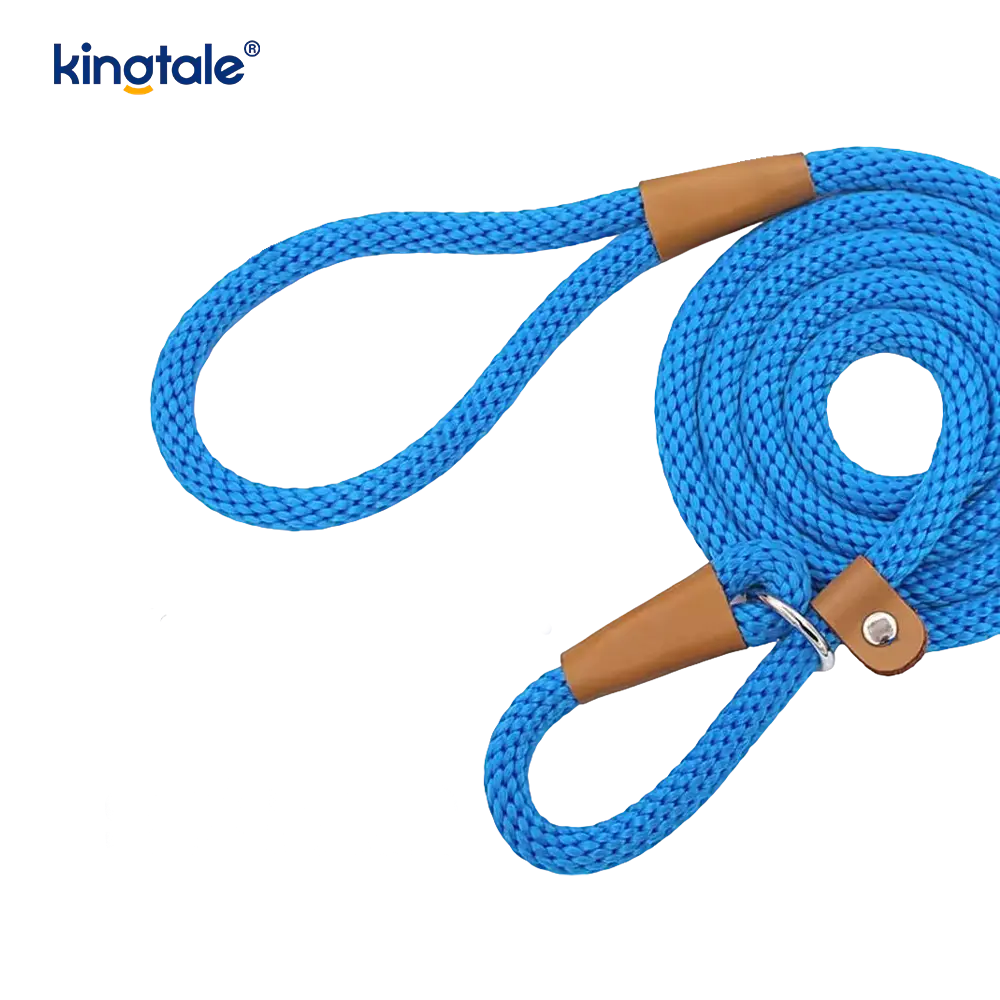
Pet leash establishes a controllable bond between the owner and the pet through physical c...
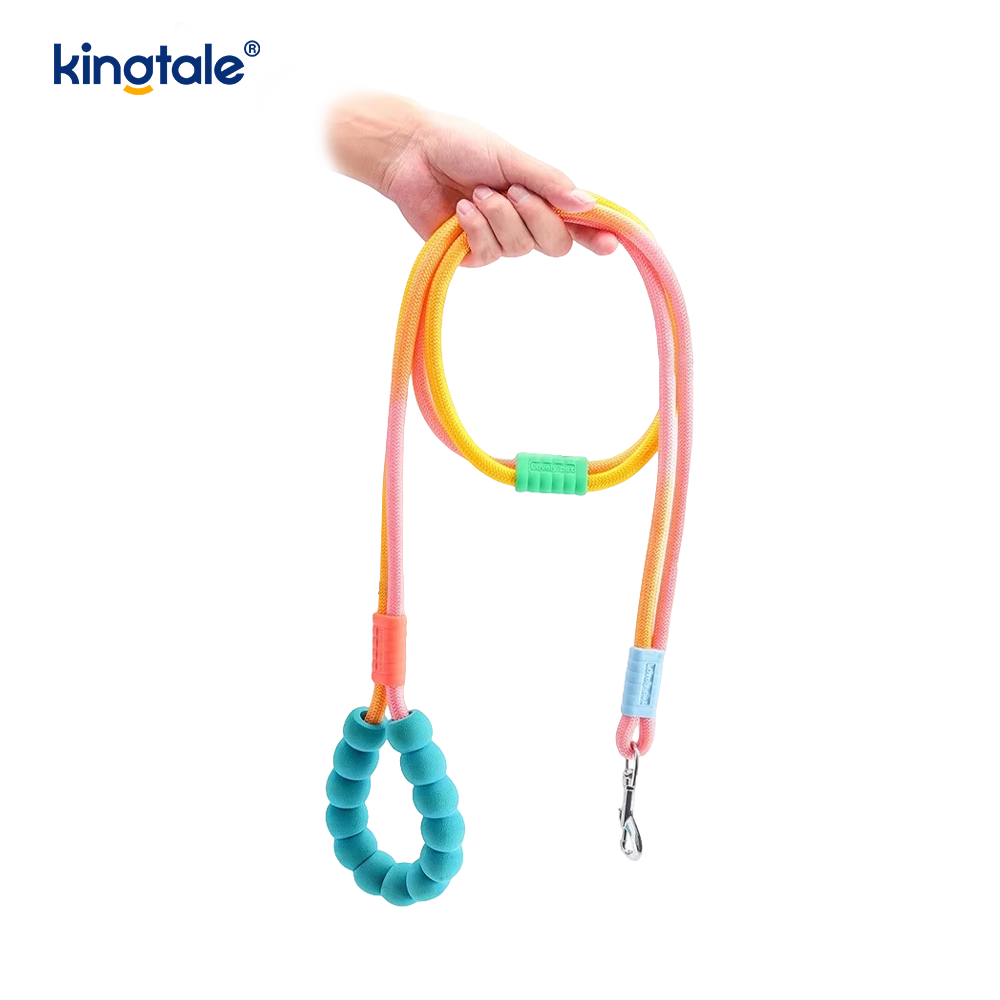
Pet leash is a fastening tool designed specifically to control the range of pet activities...

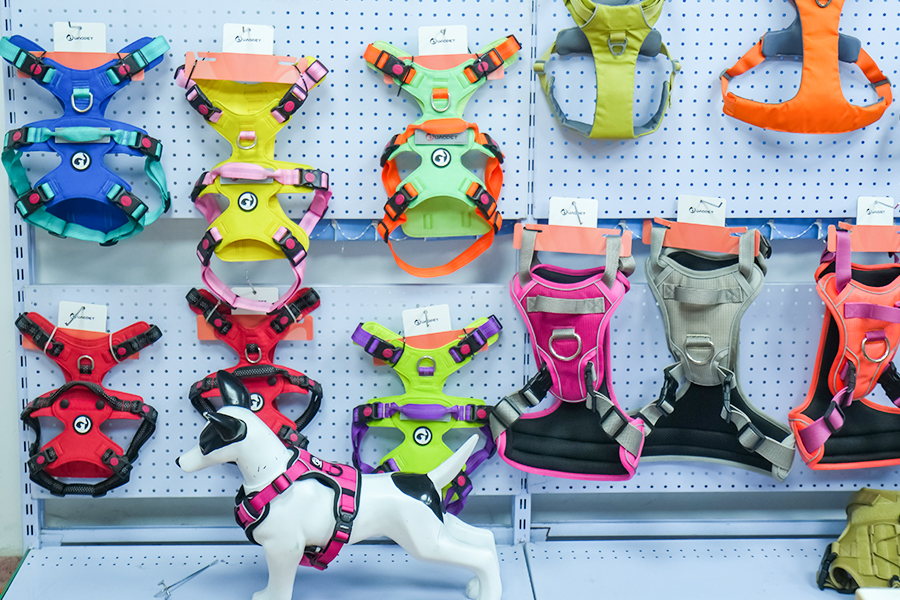
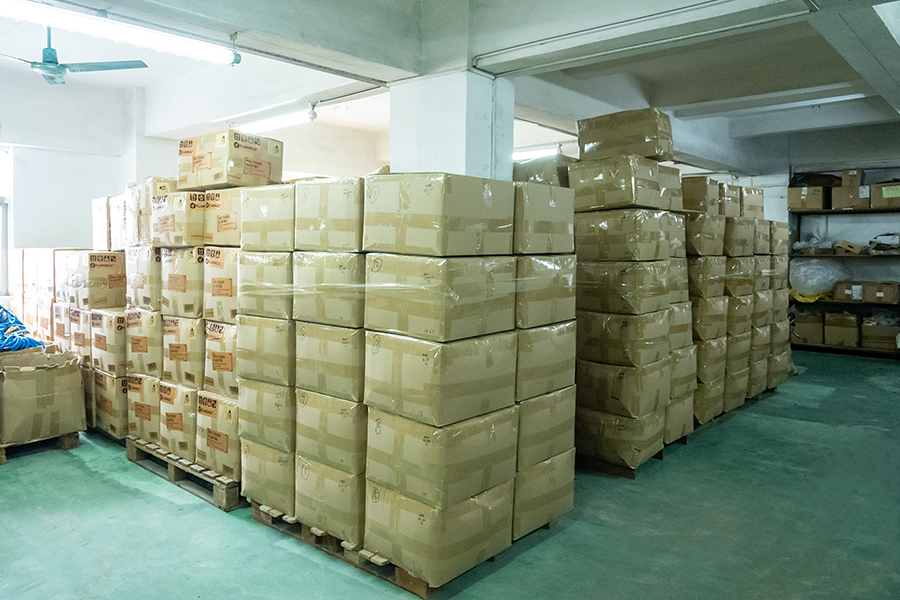
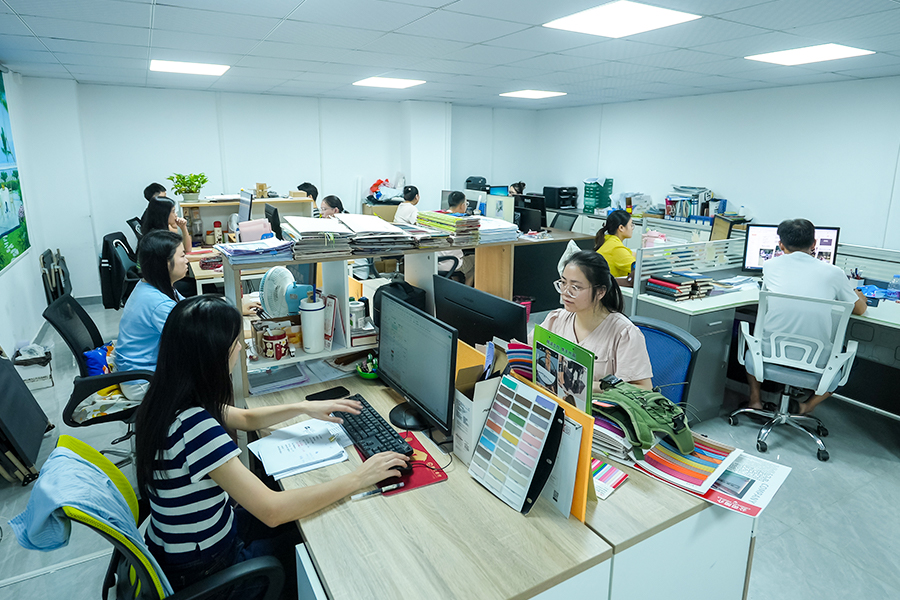
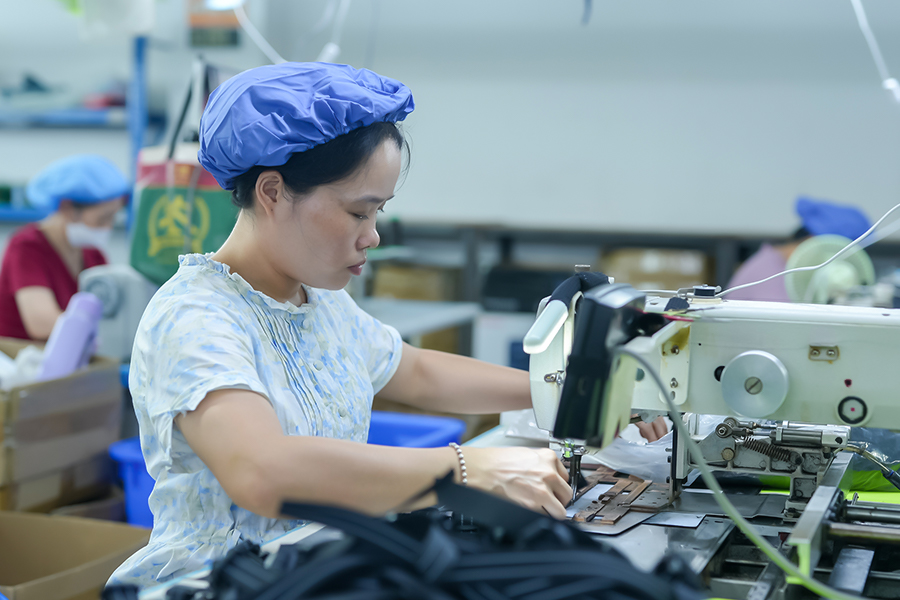
For professional procurement managers and specialized retailers, the durability of a product is not just a consumer preference—它 is a critical factor in supply chain efficiency and brand reputation. When sourcing Durable Pet Toys, understanding the intersection of material science, mechanical design, and animal behavio...
READ MOREIntroduction Choosing the right Pet Harnesses is not only a matter of convenience but a critical decision that directly affects animal safety, biomechanics, and long-term comfort. For B2B buyers, importers, and distributors, understanding the structural and functional differences between step-in and over-head harnesses...
READ MORESelecting the appropriate Pet Leash is a critical decision that transcends mere aesthetics; it involves analyzing mechanical load capacities, material tensile strength, and ergonomic efficiency suitable for specific canine activities. For B2B procurement managers and wholesale distributors, understanding the technical ...
READ MOREA multifunctional pet leash is an essential tool for daily dog walking, outdoor travel, training activities, and hands-free exercise routines. Because this type of leash typically integrates several functions—adjustable lengths, shock absorption, reflective safety elements, and modular accessories—its durability is directly influenced by how well it is cleaned and maintained over time. Proper care not only protects the material structure but also reinforces the leash’s long-term performance and safety during use.
Before discussing maintenance details, it is helpful to note that Zhangjiagang Kingtale International Co., Ltd. has established itself as a specialist in designing and exporting modern pet accessories, supported by strong R&D capabilities and quality-controlled manufacturing systems. Their product range includes collars, carriers, leashes, grooming tools, toys, and smart integrated pet products. With expertise in materials, molding, textiles, electronics integration, and sustainable manufacturing, the company supports customized, high-value pet brand development while maintaining ethical and ISO-certified production standards. This background provides context for understanding how a multifunctional pet leash should be maintained to preserve its structural and safety performance.
A multifunctional pet leash is typically constructed from a combination of engineered textiles, metal hardware, polymer components, and optional reflective or shock-absorbing elements. Each part requires a cleaning and maintenance method tailored to its material characteristics. Because improper care may weaken fibers, degrade surface coatings, or reduce the stability of metal connectors, understanding these materials is essential for effective long-term usage.
Textile components are commonly made from woven nylon, high-density polyester, or blended technical fibers. These materials provide strength, abrasion resistance, and controlled elasticity. Nylon and polyester respond differently to water, detergents, heat exposure, and environmental stress, making the cleaning method an important variable. Nylon-based multifunctional pet leash designs require mild washing and air-drying to avoid fiber stiffening, while polyester-based leash models tolerate water better and resist fading.
A multifunctional pet leash often includes alloy carabiners, stainless steel rings, and corrosion-resistant adjustment buckles. Metal components are engineered to offer tensile stability during sudden pulling. Rust, dirt accumulation, or lubricant loss can reduce their functionality, causing jamming or weakening of locking mechanisms. Proper cleaning and periodic mechanical inspection help prevent premature failure.
Some advanced leash styles incorporate padded handles, reflective trims, shock-absorbing bungee sections, or detachable accessory loops. Each element must be maintained according to its specific design purpose to preserve both comfort and safety.
The longevity of a multifunctional pet leash depends not only on manufacturing quality but also on how consistently it is cleaned. Dirt, oils, moisture, and chemical contaminants gradually break down materials, leading to reduced strength or diminished flexibility. The following factors demonstrate why routine cleaning is necessary:
Outdoor walking exposes the leash to mud, rainwater, road salts, lawn chemicals, and dusty environments. These contaminants can weaken textile fibers over time. For example, accumulated dust can increase friction between fibers, accelerating surface wear. Chemical residues from treated grass or polluted streets can discolor materials or degrade surface coatings.
Pet fur, skin oils, and saliva are often overlooked but contribute significantly to long-term degradation. Oils embed into fibers, creating stiff spots, while dried saliva can produce minor abrasive roughness. A multifunctional pet leash used during training or outdoor sports may accumulate more contaminants than a leash used for shorter daily walks.
Moisture retention in textiles may lead to odor development or microbial growth. Although only mild washing techniques should be used, regular removal of moisture and organic dirt prevents degradation and maintains hygiene.
A consistent cleaning process supports the structural integrity of the leash, maintains the comfort of padded sections, and protects metal hardware. The actual method depends on the soil level and the frequency of use.
Routine cleaning involves removing loose dirt after each walk, which helps prevent long-term buildup. Gently brushing the surface with a soft fabric brush and wiping the leash with a damp cloth is usually sufficient. This process is appropriate when the leash has been exposed to light dust or dry environments.
A deep cleaning procedure should be performed regularly, especially when the leash is used in outdoor sports, wet environments, or muddy areas. The following steps maintain material integrity while ensuring cleanliness:
A bucket of lukewarm water mixed with a small amount of pet-safe detergent can be used to soak the textile portion of the leash. It is important to ensure the detergent is mild to avoid affecting color-fastness or coating stability. After soaking for several minutes, gently scrubbing the surface with a soft sponge helps remove dirt lodged within the fibers.
Rinsing the leash thoroughly under running water ensures there is no detergent residue. Air drying is crucial, as heat sources may cause shrinkage or hardening of fibers. Hang the leash in a dry, shaded location to preserve its material flexibility and reflective elements.
Padded components require careful handling. Excessive scrubbing may deform the padding or weaken the stitching. A gentle brushing method combined with a damp cloth is recommended. Shock-absorbing bungee segments should not be overly stretched during cleaning, as water saturation may temporarily affect elasticity.
Metal hardware should be cleaned with a damp cloth and dried immediately to prevent water spots. If dirt is lodged in small mechanical gaps, a cotton swab can be used. For stiff joints or locking mechanisms, a small amount of pet-safe maintenance oil can be applied sparingly to restore smooth operation.
Cleaning alone is not enough to maximize durability. Long-term care requires regular inspection, proper storage, and timely replacement of worn components.
Frequent inspection helps detect issues early. Checking textile fibers for fraying, stitching for loosening, and metal connectors for deformation ensures continued safety. A multifunctional pet leash should be inspected especially at stress-bearing points such as adjustment rings, safety clips, and bungee segments.
A multifunctional pet leash should be stored in a dry, ventilated area. Direct sunlight may cause gradual fading and fiber weakening, while humid environments may lead to odor buildup. Folding or coiling the leash loosely prevents stress marks, especially on padded sections.
Cleaning agents containing bleach, solvents, or industrial chemicals should not be used. These substances can damage both textile and metallic components, and may remove reflective coatings.
Locking carabiners and adjustment sliders should move freely. If stiffness is detected, cleaning and lubrication may be necessary. Mechanical elements should be kept free of sand, gravel, or hardened mud that may interfere with movement.
Although a multifunctional pet leash is designed for durability, replacement is sometimes required. If stitching becomes excessively worn, fibers begin to separate, or metal connectors show signs of deformation, replacement is advisable to maintain safety during use.
Because not all leashes are used in the same conditions, cleaning frequency varies. The table below outlines recommended intervals depending on usage patterns.
| Usage scenario | Cleaning frequency | Maintenance recommendation |
|---|---|---|
| Daily city walking | Light cleaning every 2–3 days | Inspect metal hardware weekly |
| Outdoor sports or hiking | Full cleaning after heavy exposure | Condition metal parts after drying |
| Rainy or muddy environments | Deep cleaning after each outing | Ensure full drying before storage |
| Training sessions | Weekly full cleaning | Check stitching frequently |
Maintaining a multifunctional pet leash goes beyond keeping it visually clean. Proper care supports durability, functional safety, and long-term value. Because multifunctional designs often include additional features such as reflective safety strips, adjustable length options, or hands-free configurations, maintenance ensures these elements continue to operate as intended.
Clean fibers maintain elasticity and strength more effectively than fibers clogged with dirt. This results in better absorption of pulling forces and more consistent performance during daily use.
Some leashes include detachable pouches, running belts, or training add-ons. Regular maintenance prevents premature wear and ensures accessories remain securely attached during use.
Padded handles and smooth textile surfaces provide a comfortable grip. When these components are properly cleaned and dried, they remain flexible and soft. This contributes to greater control, especially during training or jogging.
High-quality manufacturing provides a strong foundation for maintenance. Zhangjiagang Kingtale International Co., Ltd. integrates modern engineering techniques, textile construction methods, and eco-conscious production systems that align with global sustainability and quality expectations. Their adherence to ISO-certified processes and strict quality inspection at every stage—raw materials, in-process checks, and final packaging—ensures the multifunctional pet leash is built with consistent durability in mind. When combined with proper user maintenance, the lifespan of the product increases significantly, supporting long-term value for both retailers and end-users.
Cleaning and maintaining a multifunctional pet leash is a practical, essential responsibility that directly impacts performance, safety, and product longevity. Through proper material-specific cleaning methods, routine inspection, careful storage, and responsible handling, pet owners can ensure their leash remains reliable over extended periods of use. When supported by strong manufacturing practices, such as those adopted by Zhangjiagang International Co., Ltd., a multifunctional pet leash becomes a durable, dependable tool suited for various environments—from daily walks to high-activity outdoor adventures.