

 English
 Español
Don't hesitate to send a message
What Makes a Pet Toy Truly Durable?
Content
Beyond Toughness: Defining Durability for Pet Toys
The quest for durable pet toys is a top priority for pet owners, but true durability extends far beyond the simple concept of being "tough." It is a multi-faceted quality that encompasses a toy's ability to withstand physical destruction, maintain safety over time, and continue to engage a pet's interest. For manufacturers and retailers, understanding this comprehensive definition is key to sourcing, marketing, and selling products that genuinely satisfy both pets and their owners. Durability is not a single attribute but a balance of structural integrity (resistance to chewing, tearing, and crushing), material safety (non-toxicity and retention of form without splintering), and interactive longevity (a design that remains appealing even after the ""newness"" wears off). A toy that excels in only one area may still fail to meet a pet owner's expectations for a long-lasting purchase.
This holistic view directly impacts purchasing decisions. Pet owners of powerful chewers, for example, prioritize structural integrity above all, seeking toys marketed explicitly for ""aggressive"" or ""strong"" chewers. Others with pets that quickly lose interest might value interactive longevity more, looking for toys with variable challenges or treat-dispensing functions. Recognizing these nuanced needs allows businesses to categorize and recommend products more effectively, moving beyond generic claims to match specific toys with specific pet behaviors and owner concerns.
Engineering for the Strongest Jaws: Materials and Construction
Creating a toy that can survive determined chewing requires careful selection of materials and manufacturing techniques. Common materials fall into broad categories, each with advantages and ideal use cases. Rubbers, such as natural rubber or thermoplastic elastomers (TPE), are favored for their flexibility and resilience, allowing them to be compressed and return to shape. Plastics like polyethylene or nylon are often used for harder, rigid toys designed for fetching or chewing. Fabrics, including ballistic nylon or reinforced canvas, are chosen for soft toys and tug ropes. The construction method is equally critical: seamless molding prevents weak points where tearing can begin, while double- or triple-stitching with high-tenacity thread is essential for fabric components. The choice between solid, hollow, or webbed internal structures will affect both the toy's weight, buoyancy, and how force is distributed during biting.
Heavy-Duty Chew Toys for Aggressive Chewers
The most demanding segment of the market is for toys designed specifically for aggressive chewers. These products are engineered to withstand extreme, sustained pressure. Key features include ultra-dense rubber compounds, often with a textured surface to satisfy a dog's need to gnaw. Some are even designed to be slightly yieldable to prevent tooth damage, a principle supported by safety testing standards that evaluate bite resistance[citation:7]. The hardware on these toys, such as ropes or handles, must be equally robust, using thick-grade materials and secure, non-ingestible connections. For retailers, highlighting specific construction details—like a toy's ""virtually indestructible"" design or its use of ""chew guard"" technology—can effectively communicate its strength to owners of powerful breeds like Pit Bulls, Rottweilers, or determined chewers of any size.
Interactive and Treat-Dispensing Durable Toys
Durability also applies to a toy's ability to hold a pet's mental engagement. Interactive dog toys and treat-dispensing puzzles must be physically sturdy to withstand pawing and nudging, but their core value lies in design intelligence. The most durable interactive toys offer adjustable difficulty levels, allowing owners to increase the challenge as the pet learns, thereby extending the toy's useful life. The internal mechanisms and compartments must be made from tough, food-safe plastics that won't crack under pressure, and any moving parts should resist jamming. This category answers the need for mental stimulation, which can prevent boredom and destructive behavior, making it a highly valuable and long-lasting solution for intelligent or energetic pets.
| Toy Type | Key Durable Materials | Primary Durability Focus | Ideal For |
| Heavy-Duty Chew Toys | Ultra-dense rubber, solid nylon, hardened plastics | Structural integrity & bite resistance | Aggressive chewers, large/strong breeds |
| Interactive/Puzzle Toys | Food-grade ABS plastic, tough composites | Mechanical functionality & engagement longevity | Intelligent, energetic, or food-motivated pets |
| Tug & Rope Toys | Braided cotton/hemp, ballistic nylon | Tensile strength & abrasion resistance | Playful dogs, training, dental health |
| Fetch & Outdoor Toys | Buoyant polymers, wear-resistant rubber | Impact resistance & weather/water resilience | Active play, water retrieval, outdoor use |
The Non-Negotiable Foundation: Safety and Compliance
A truly durable toy is a safe toy throughout its entire lifespan. Durability and safety are intrinsically linked; a toy that breaks apart easily can create choking hazards or expose pets to harmful materials. In many markets, such as the United States, while formal federal regulations for pet toys may be limited, consumer and retailer expectations are high, and adherence to recognized standards is a significant market advantage[citation:7]. Key safety considerations include the absence of toxic chemicals (like lead or certain phthalates), the absence of small parts that could be swallowed, and the assurance that the toy will not splinter into sharp pieces when broken. For the global market, awareness of regional standards is crucial. For instance, China's national standard GB/T 43839-2024, which came into effect in October 2024, provides comprehensive safety technical requirements for pet products, including mechanical, physical, and chemical safety tests[citation:3]. Sourcing from manufacturers who proactively design and test to such standards mitigates risk and builds trust.
Marketing Durable Toys: Connecting Features to Benefits
Effectively marketing durable pet toys requires translating technical features into compelling benefits for the pet owner. The messaging should focus on the outcomes: peace of mind, cost savings over time, and a happier, more engaged pet. Content marketing, such as blog posts or videos titled ""The 10 Most Indestructible Toys for Power Chewers"" or ""How to Keep Your Smart Dog Busy for Hours,"" directly addresses common consumer searches and pain points[citation:2]. Visual content is particularly powerful; showing a toy surviving rigorous play in a video demonstration is more convincing than any written claim. Furthermore, leveraging user-generated content, like customer photos and reviews showing a toy intact after months of use, provides authentic social proof that can be more influential than traditional advertising[citation:2][citation:8].
Sourcing and Quality Assurance for Retailers
For retailers and brands, establishing a reliable supply chain for durable toys involves a rigorous vetting process. It begins with identifying manufacturers who specialize in high-strength materials and robust construction. Requesting detailed material specifications and compliance certificates (for standards like ASTM F-963 or GB/T 43839-2024) is a fundamental step[citation:3][citation:7]. Beyond paperwork, practical quality assurance is essential. This can involve conducting or commissioning pre-shipment product tests that simulate real-world use, such as compression, tension, and bite simulation tests. For custom or private-label products, clearly defining and agreeing upon durability benchmarks—such as a minimum pounds-per-square-inch (PSI) for bite resistance—in the product development phase ensures the final goods meet expectations. Building a partnership with a manufacturer that views durability as a core engineering principle, rather than just a marketing term, is the foundation of a successful product line in this category.
FAQ
What is the most durable material for dog chew toys?
There is no single ""most durable"" material, as it depends on the dog's chewing style. However, for the most aggressive chewers, solid rubber (like natural rubber or certain high-density TPE blends) and solid nylon are top contenders. Solid rubber offers excellent elasticity and ""give,"" which can be safer for teeth, while solid nylon is extremely hard and resistant to abrasion. The key is that the toy should be designed as a single, solid piece or from seamlessly fused components to prevent it from being torn apart. Always supervise your pet with any new toy and inspect it regularly for signs of wear, discarding it if pieces break off.
How can I tell if a toy is safe and durable for my pet?
Evaluating a toy involves both inspection and research. First, physically examine the toy: avoid products with small, easily detachable parts (like glued-on eyes or squeakers), weak stitching, or flimsy seams. Look for labels indicating compliance with safety standards (e.g., ASTM F-963, which covers physical and mechanical hazards)[citation:7]. Research the brand's reputation for quality and read reviews from other owners, specifically looking for comments about longevity and safety. For chew toys, choose one that is appropriately sized—it should be large enough that it cannot be accidentally swallowed whole but not so large that it's awkward for your pet to handle.
Are ""indestructible"" dog toys really indestructible?
It's important to understand that the term ""indestructible"" in the pet industry is generally a marketing claim, not an absolute guarantee. While many toys are engineered to be virtually indestructible and can withstand incredible force, a truly determined chewer—especially a large breed dog with strong jaws—can eventually damage almost any material. The claim should be interpreted as ""extremely durable under normal, supervised play conditions."" No toy is completely impervious to damage, and all toys should be regularly inspected and replaced when they show significant wear, such as deep grooves, chunks missing, or pieces starting to separate.
What are the current trends in durable pet toys?
The market for durable toys is evolving with broader consumer trends. A major growth area is eco-friendly and sustainable durable toys, made from materials like natural rubber, hemp, or recycled plastics[citation:7]. There's also increasing demand for multifunctional toys that combine durability with dental cleaning benefits (through textured surfaces) or mental stimulation (through integrated puzzle elements). Furthermore, the rise of subscription boxes and ""monthly toy"" clubs for pets has created demand for toys that are not only durable but also novel, encouraging a steady refresh of engaging and long-lasting playthings.
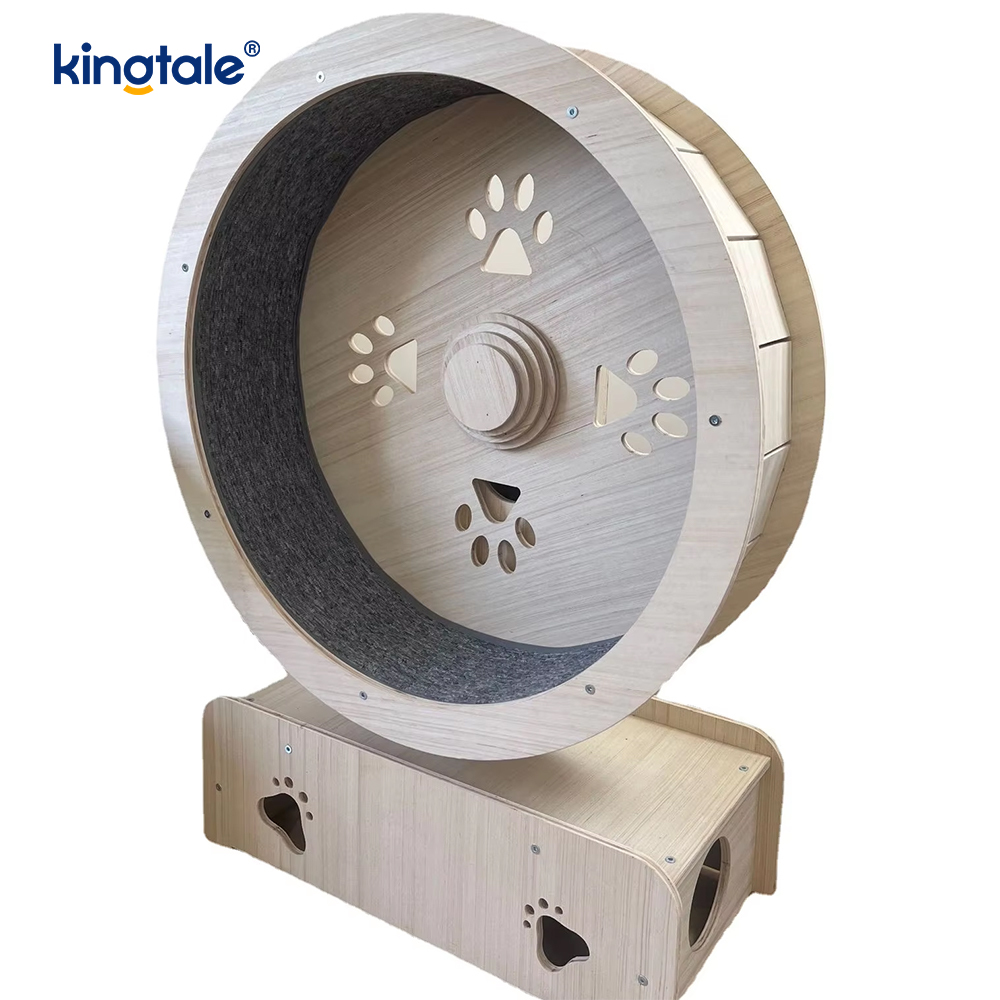



Reliable Materials - Sourced for performance and pet safety.

Quick Links
Ready to Customize Your Pet Products?
