

 English
 Español
Don't hesitate to send a message
Best Collars for Small Dogs: Sizing, Types & Comfort Guide
Content
- 1 Why Collar Fit Matters More for Small Dogs
- 2 Small Dog Collar Sizing: How to Measure Correctly
- 3 Types of Collars for Small Dogs: Which Style Works Best
- 4 Material Guide: Finding the Most Comfortable Collar for Small Dogs
- 5 Puppy Collars: What to Use for Small Puppies
- 6 Leashes and Collars for Small Dogs: Matching the Right Combination
Why Collar Fit Matters More for Small Dogs
A collar that slips over the head or sits too loose around the neck is not just a nuisance—it is a safety risk. Small dog breeds, including Chihuahuas, Toy Poodles, Maltese, and Pomeranians, have particularly delicate tracheas and neck structures. Studies from veterinary orthopedic practices have found that repeated pressure on the trachea from an ill-fitting collar can contribute to tracheal collapse, a condition that is already genetically predisposed in many toy breeds.
The difference between a properly fitted collar and a loose one often comes down to just one or two finger-widths. The standard rule is that you should be able to slide two fingers comfortably beneath the collar, but no more. For extra small and toy dogs weighing under 5 pounds, even that margin should be checked frequently, as rapid growth in puppies can turn a safe fit into a hazardous one within weeks.
Beyond safety, a well-fitted collar directly affects your dog's comfort during walks, play, and rest. Dogs that are bothered by their collar will scratch at it, resist leashing, or develop skin irritation around the neck—all signs that the collar design or size needs to be reconsidered.
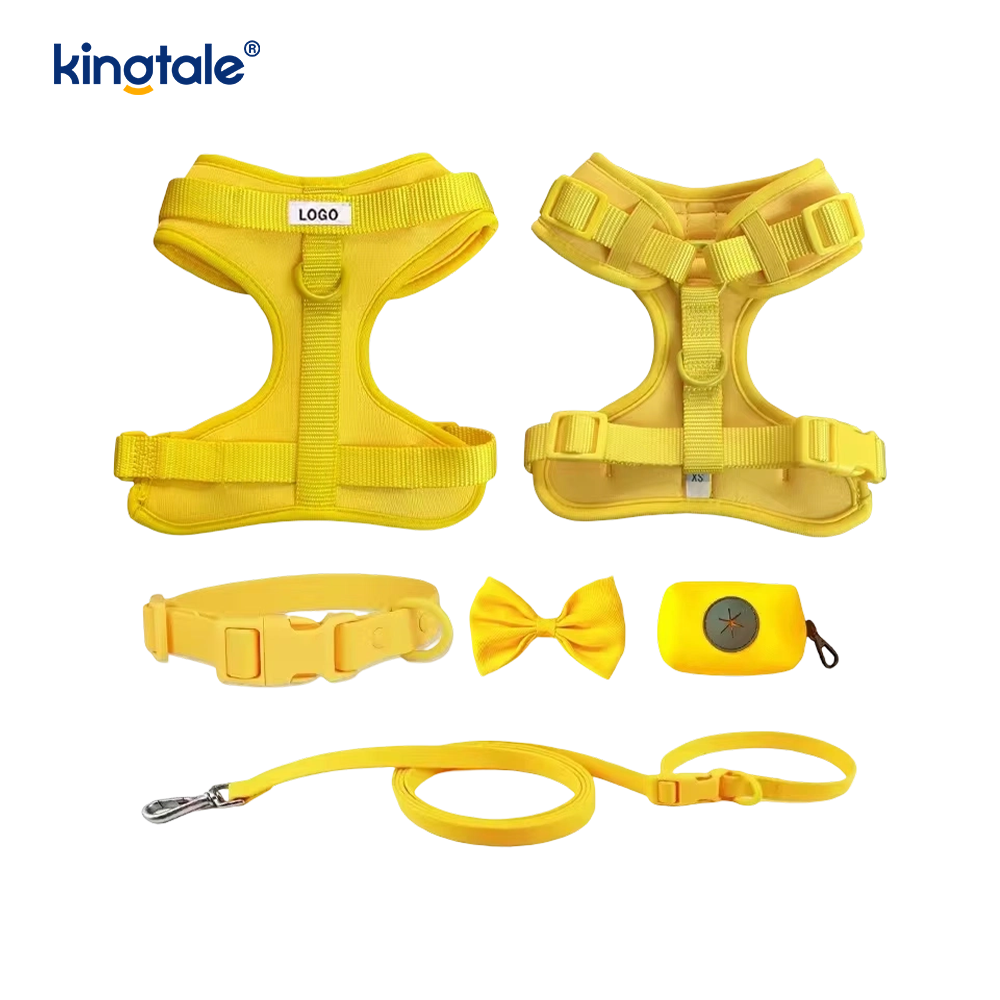
Small Dog Collar Sizing: How to Measure Correctly
Getting the right collar size for a small dog starts with an accurate neck measurement. Use a flexible fabric tape measure and wrap it around the base of your dog's neck—where the collar would naturally sit—keeping it snug but not compressing the fur. Add approximately 1 inch to that measurement for a comfortable fit. Most small dog collar sizes fall in the following ranges:
- Extra Extra Small (XXS): 6–8 inches — suited for toy breeds and very young puppies
- Extra Small (XS): 8–11 inches — common for Chihuahuas, Toy Poodles, and small Dachshunds
- Small (S): 11–14 inches — fits slightly larger small breeds like Shih Tzus and miniature Schnauzers
Always re-measure growing puppies every two to three weeks. A collar that fit a 10-week-old puppy will almost certainly be too tight by week 16. Many owners underestimate how quickly small breed puppies grow during their first six months.
| Size Label | Neck Circumference | Typical Breeds |
|---|---|---|
| XXS | 6–8 in (15–20 cm) | Toy Chihuahua, newborn puppies |
| XS | 8–11 in (20–28 cm) | Chihuahua, Toy Poodle, Papillon |
| S | 11–14 in (28–36 cm) | Shih Tzu, Miniature Schnauzer, Pug |
Types of Collars for Small Dogs: Which Style Works Best
Not every collar design is appropriate for small and toy breeds. The type of collar you choose affects comfort, control, and long-term health outcomes. Here is a breakdown of the most common options and how they perform for little dogs:
Flat Buckle Collars
The flat buckle collar is the most common type and is generally the best everyday collar for small dogs. Available in a wide range of widths, from thin 3/8-inch styles to wider 3/4-inch options, they distribute pressure across the neck when the dog pulls. Thin collars in the 3/8–1/2 inch range are typically the most comfortable for dogs under 10 pounds, as they avoid unnecessary bulk while still sitting securely. Soft materials like nylon webbing, biothane, and leather are all suitable, with softer finishes being gentler on fine coats common in toy breeds.
Martingale Collars for Small Dogs
Martingale collars, sometimes called limited-slip collars, are an excellent choice for small breeds with narrow heads relative to their necks—such as Italian Greyhounds and Whippet mixes. When the dog pulls or backs up, the collar tightens slightly to prevent slipping off, then releases to its resting position. The best martingale collars for small dogs feature a gentle tightening range of no more than 2 inches to avoid applying undue pressure on a small dog's throat. Fabric martingales in lighter weights are preferable to chain versions for toy and miniature breeds.
Wide Collars for Small Dogs
Counterintuitively, wider collars—typically 3/4 inch to 1 inch—can actually be more comfortable for some small dogs because they distribute leash tension over a broader surface area, reducing localized pressure. Wide collars for small dogs work particularly well on breeds with short coats and thick necks, such as French Bulldogs and Boston Terriers. The trade-off is that a wide collar must be carefully sized to avoid riding up toward the jaw or interfering with movement.
Soft and Padded Collars
Soft dog collars lined with fleece, velvet, or neoprene padding are among the most comfortable collar options for small dogs that wear their collar continuously. The padding reduces friction against sensitive skin and is particularly beneficial for dogs with long silky coats, as it minimizes hair breakage around the neck. Many owners of Yorkies, Maltese, and Havanese specifically seek out soft padded designs for this reason.
Correction Collars for Small Dogs
Slip collars, prong collars, and shock collars are generally not recommended for small breeds. The neck structures of toy and miniature dogs are too fragile to withstand the concentrated pressure these tools can generate. If behavioral correction is needed, a front-clip harness is a far safer alternative for training small dogs that pull. Consult a certified professional dog trainer before using any aversive tool on a small breed.
Material Guide: Finding the Most Comfortable Collar for Small Dogs
The material a collar is made from plays a significant role in everyday comfort, especially for dogs that wear their collar around the clock. Small dogs with fine or long coats are especially sensitive to rough textures, stiff edges, and materials that trap moisture against the skin.
- Nylon webbing: Durable, lightweight, and available in countless designs. Best for active small dogs. Look for edges that are heat-sealed to prevent fraying and skin abrasion.
- Leather: Naturally soft once broken in, and develops a comfortable fit over time. Genuine leather is breathable and long-lasting, though it requires occasional conditioning. A top choice for the most comfortable dog collar experience in small breeds.
- Biothane: A coated webbing material that is waterproof, odor-resistant, and easy to clean. Increasingly popular as a vegan leather alternative. Very gentle on coats.
- Rolled leather or rolled nylon: Cylindrical in cross-section rather than flat, which significantly reduces coat matting and pressure marks—ideal for long-coated toy breeds like Maltese and Silky Terriers.
- Fabric or ribbon overlay: Decorative collars featuring cotton or ribbon over a base strap are popular for aesthetic personalization. Quality varies widely; check that the base strap is sturdy and the hardware is appropriately sized for small dogs.
Regardless of material, always check that the buckle and D-ring hardware is appropriately scaled. Oversized hardware adds unnecessary weight and bulk on a small dog's collar and can cause discomfort around the neck area.
Puppy Collars: What to Use for Small Puppies
Introducing a collar to a small puppy should begin as early as 8 weeks of age to help them acclimate to the sensation before leash training begins. Start with the lightest, softest option available—a simple flat nylon collar in the XXS range is ideal for most small breed puppies. Avoid anything with heavy hardware or embellishments at this stage.
Never leave a collar on an unsupervised puppy under 12 weeks old. Young puppies can catch collar loops on crate wires, furniture legs, or their own dewclaws, creating a strangulation hazard. Use a breakaway collar design if the puppy must wear one unsupervised, as these release under sudden tension.
Flea collars for small dogs are another common consideration for puppy owners. While some flea collar formulations are effective, many are not labeled for use in puppies under 12 weeks or under a certain weight. Always check the product label carefully and consult your veterinarian before using a flea collar on a young or very small dog. Chemical-based flea collars should never be used alongside topical flea treatments due to risk of overdose.
Leashes and Collars for Small Dogs: Matching the Right Combination
A collar is only half the equation—the leash you attach to it matters just as much for small dogs. Heavy leashes create disproportionate tension on a small collar and can tire out a tiny dog's neck faster than you might expect. The general recommendation for dogs under 15 pounds is a leash weighing no more than 2–3 ounces, in a width of 3/8 to 5/8 inch.
Retractable leashes are often used with small dogs, but they present specific risks: the thin cord exerts point pressure on the collar D-ring rather than distributed tension, and a sudden lunge from a toy breed at the end of a fully extended cord can cause neck injury. A standard 4–6 foot flat leash gives you far more control and is gentler on the collar attachment point.
For small dogs that pull strongly or have respiratory sensitivities, pairing a harness for walks with a lightweight ID collar is increasingly recommended by veterinarians. The collar serves its identification purpose without ever bearing walk-time leash tension, making it the most comfortable arrangement for brachycephalic breeds and trachea-prone toy dogs alike.



Reliable Materials - Sourced for performance and pet safety.
Quick Links
Ready to Customize Your Pet Products?
